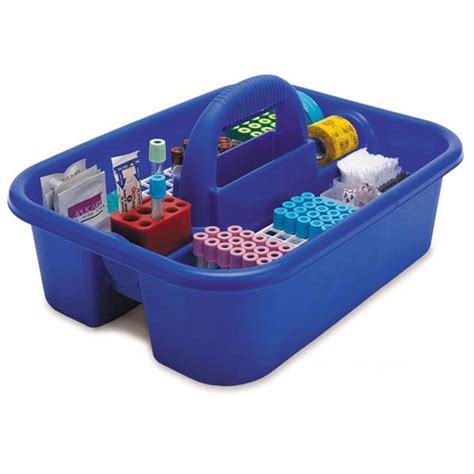
**Title: Master the Art of Drawing Blood: Complete Guide to Phlebotomist Training**
**Introduction**
For aspiring individuals looking to enter the healthcare field, becoming a phlebotomist can be a rewarding and fulfilling career choice. Phlebotomists are trained professionals responsible for drawing blood from patients for medical tests, donations, or research purposes. Mastering the art of drawing blood requires specialized training and certification to ensure the safety and comfort of patients.
If you are interested in pursuing a career as a phlebotomist, this article will serve as a comprehensive guide to phlebotomist training. We will explore the necessary steps, requirements, and skills needed to become a successful phlebotomist, as well as the benefits of pursuing this career path.
**Benefits of Becoming a Phlebotomist**
Before delving into the training process, let’s highlight some of the benefits of becoming a phlebotomist:
- Job Security: The demand for phlebotomists is expected to grow as the healthcare industry continues to expand.
– Competitive Salary: Phlebotomists earn a competitive salary with opportunities for advancement.
– Flexibility: Phlebotomists can work in various healthcare settings, including hospitals, clinics, laboratories, and blood donation centers.
– Opportunity for Advancement: With further education and experience, phlebotomists can advance to supervisory or management positions.
**Training Requirements for Phlebotomists**
To become a certified phlebotomist, individuals must complete the following training requirements:
1. Education: Candidates must possess a high school diploma or equivalent to enroll in a phlebotomy training program.
2. Training Program: Completion of a phlebotomy training program accredited by the National Accrediting Agency for Clinical Laboratory Sciences (NAACLS).
3. Clinical Experience: Hands-on experience drawing blood on real patients under the supervision of a qualified phlebotomist.
4. Certification: Pass a certification exam, such as the Certified Phlebotomy Technician (CPT) exam offered by the National Healthcareer Association (NHA).
**Skills and Knowledge Required**
To excel in the field of phlebotomy, individuals must possess the following skills and knowledge:
- Knowledge of human anatomy and physiology
– Proficient in venipuncture and capillary puncture techniques
– Strong attention to detail and accuracy
– Excellent communication and interpersonal skills
– Ability to maintain patient confidentiality and comfort
**Phlebotomy Training Programs**
Phlebotomy training programs are offered by vocational schools, community colleges, and healthcare facilities. These programs typically include classroom instruction, hands-on laboratory practice, and supervised clinical experience. Some programs may offer externship opportunities in hospitals or clinics to gain real-world experience.
**Case Study: John’s Journey to Becoming a Certified Phlebotomist**
John, a recent high school graduate, decided to pursue a career in healthcare and enrolled in a phlebotomy training program at his local community college. Over the course of the program, John learned the proper techniques for drawing blood, gained hands-on experience in a clinical setting, and prepared for the CPT exam.
After passing the certification exam, John secured a job at a local hospital as a phlebotomist. He enjoys working with patients, providing high-quality care, and contributing to the healthcare team. John plans to continue his education and eventually become a phlebotomy instructor.
**Practical Tips for Success**
– Practice regularly to improve your venipuncture skills
– Develop good communication skills to build rapport with patients
– Stay up-to-date on the latest phlebotomy techniques and technologies
– Seek mentorship from experienced phlebotomists for guidance and support
**Conclusion**
Becoming a certified phlebotomist requires dedication, hard work, and a passion for helping others. By completing a phlebotomy training program, gaining hands-on experience, and obtaining certification, individuals can embark on a rewarding career in healthcare. Whether you are a recent high school graduate or looking to make a career change, phlebotomy offers a fulfilling and promising career path.
If you are interested in becoming a phlebotomist, start researching accredited training programs in your area and take the first step towards mastering the art of drawing blood.
Remember, successful phlebotomists play a critical role in the healthcare system by ensuring accurate test results, patient safety, and comfort. With the right training and skills, you can make a positive impact in the lives of patients and contribute to the wellbeing of the community.
Thank you for reading our complete guide to phlebotomist training. We wish you success on your journey to becoming a certified phlebotomist and mastering the art of drawing blood. Good luck!