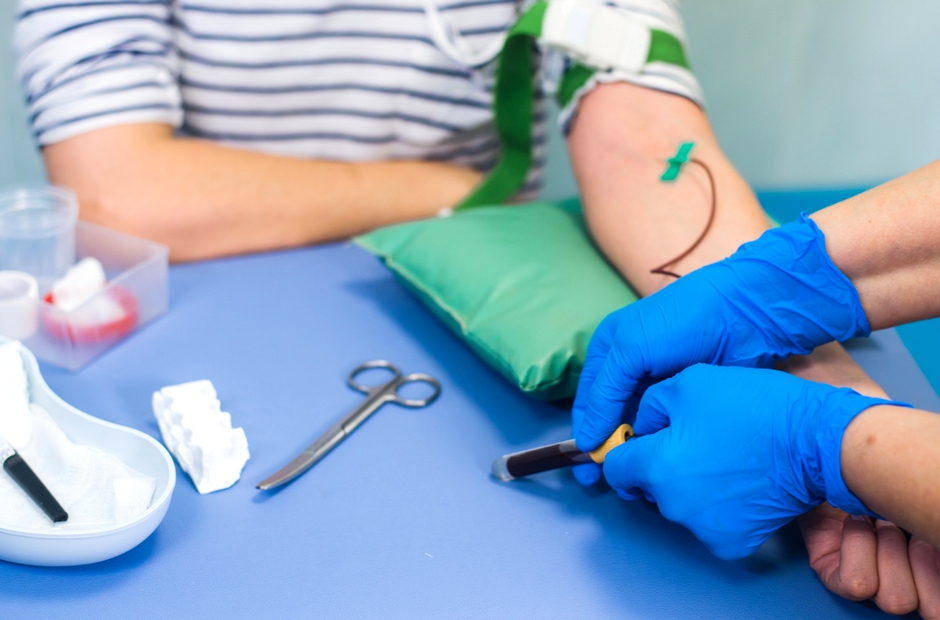
Top Certified phlebotomist Jobs: Unlock Your Path to a Rewarding Healthcare Career
Embarking on a career as a certified phlebotomist offers a unique chance to make a real difference in patients’ lives while working in a fast-paced,fulfilling healthcare environment. with increasing demand for skilled phlebotomists across hospitals, clinics, laboratories, and blood banks, now is the perfect time to explore top certified phlebotomist jobs and take the first step toward a rewarding healthcare career.
Understanding the Role of a Certified Phlebotomist
A certified phlebotomist specializes in drawing blood samples from patients for testing,transfusions,donations,or research. This vital role requires technical skills, compassion, and meticulous attention to safety and hygiene standards. Certification ensures that a phlebotomist is qualified to perform blood collection safely and effectively, making it a highly sought-after credential in the healthcare industry.
Why Pursue Certified Phlebotomist Jobs?
- High demand: The healthcare sector continues to expand, boosting employment opportunities for certified phlebotomists.
- Competitive salary: Certified professionals command higher wages compared to non-certified counterparts.
- Career growth: Opportunities to advance into supervisory, training, or specialized roles.
- Job stability: The essential nature of blood collection ensures job security, even during economic downturns.
- Community impact: Contributing directly to patient care and health diagnostics.
Top Certified Phlebotomist Job Opportunities
1. Hospital Phlebotomist
Hospitals are among the most prominent employers of certified phlebotomists, offering a dynamic environment with a variety of patient demographics and complex cases.
2. Diagnostic Lab Technician
Diagnostics laboratories require certified phlebotomists to perform blood draws for testing labs, analysis, and reporting vital health data.
3. Blood Donation Centers
Blood banks and donation centers actively seek certified professionals to ensure safe and efficient blood collection for transfusions and medical research.
4. Outpatient Clinics and Primary Care Facilities
Primary care clinics often rely on certified phlebotomists to assist in routine health check-ups and ongoing patient monitoring.
5. mobile Phlebotomy Services
With the rise of home health services, mobile phlebotomists visit patients at homes, making healthcare more accessible, especially for elderly or disabled individuals.
Practical Tips for Landing Certified Phlebotomist Jobs
- Get certified: Complete accredited phlebotomy training programs such as those offered by the American Society for Clinical Pathology (ASCP) or the National Healthcareer Association (NHA).
- build experience: Seek internships or volunteer positions to develop practical skills and build your resume.
- Develop soft skills: Enhance communication, empathy, and attention to detail-critical traits for patient interactions.
- Network professionally: Attend healthcare job fairs, join professional organizations, and connect via online platforms like LinkedIn.
- Tailor your resume: Highlight certification, practical experience, and interpersonal skills relevant to phlebotomy.
Benefits of Being a Certified Phlebotomist
| Benefit | Detail |
|---|---|
| Higher Salary | certification increases earning potential, often leading to higher wages. |
| Job Security | Blood collection is always in demand, providing stability regardless of economic shifts. |
| Professional Recognition | Certification validates your expertise and commitment in healthcare. |
| Career Advancement | Opens doors to supervisory, training, or specialized roles like pediatric or geriatric phlebotomy. |
Case Study: A Day in the Life of a Certified Phlebotomist
Meet Sarah: A certified phlebotomist working in a busy hospital outpatient department. Sarah’s day starts with verifying patient identities, preparing sterile equipment, and drawing blood samples with care and precision. She handles anxious patients with empathy, ensuring a pleasant experience. After completing scheduled draws, she documents each procedure and reports to the laboratory staff. Sarah’s dedication and certification ensure she provides safe, reliable service, contributing to accurate diagnostics and timely patient care.
Conclusion
Becoming a certified phlebotomist opens the door to a fulfilling career in healthcare, characterized by steady demand, competitive salaries, and meaningful patient interactions. Whether you prefer working in hospitals, labs, or mobile settings, there are numerous top certified phlebotomist jobs to suit your career aspirations.Starting with proper certification, gaining practical experience, and continuously developing your skills will position you for long-term success in this rewarding healthcare profession. Take the first step today toward a future that combines technical expertise with compassion – a truly impactful career path.
Start Your Healthcare Journey Today
If you’re passionate about helping others and interested in a career that offers growth and stability, consider becoming a certified phlebotomist. Invest in quality training programs, gain hands-on experience, and network within the healthcare community. The top certified phlebotomist jobs are waiting for you – begin your journey now and enjoy a gratifying career in the healthcare industry!