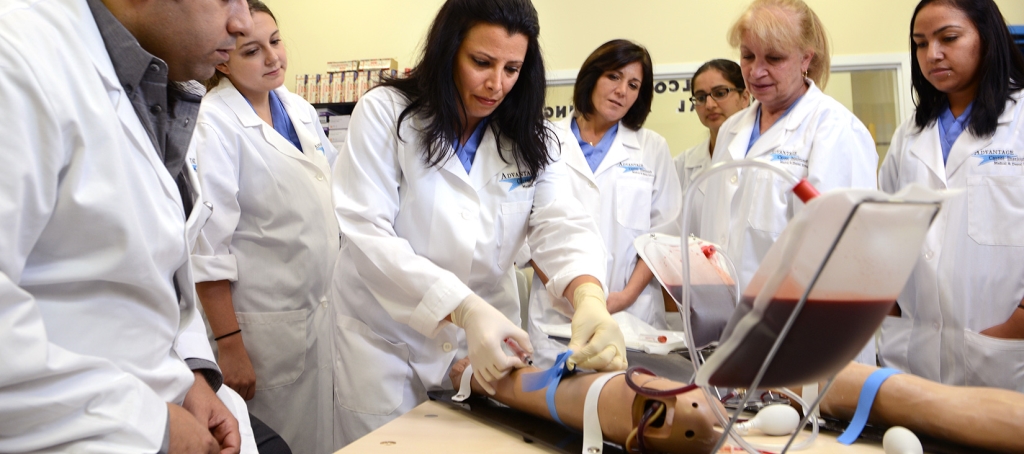
How to Earn Your Medical Assistant Phlebotomist Certification: A Complete Guide to Starting Your Healthcare Career
If you’re passionate about healthcare adn looking for a rewarding career path, becoming a certified medical assistant phlebotomist can be an excellent choice. Not only does it open doors to diverse healthcare settings, but it also offers a solid foundation for further medical advancement. This complete guide will walk you through the steps to earn your medical assistant phlebotomist certification, providing valuable insights, practical tips, and potential career benefits.
Introduction: Why Choose a Career as a Medical Assistant Phlebotomist?
In the evolving world of healthcare,professionals who possess specialized skills like phlebotomy are in high demand. As a medical assistant phlebotomist, you’ll play a vital role in collecting blood samples, assisting physicians, and supporting patient care. This career offers a blend of clinical and administrative duties, flexible work environments, and opportunities for growth.
Understanding the Role of a Medical Assistant Phlebotomist
A medical assistant phlebotomist combines the responsibilities of a medical assistant with specialized training in blood collection procedures. Key duties include:
- Drawing blood samples accurately and safely
- Labeling and handling specimens
- Ensuring patient comfort during procedures
- Maintaining medical records
- Supporting physicians and healthcare staff
Steps to Earn Your Medical Assistant Phlebotomist Certification
Embarking on the journey to become a certified medical assistant phlebotomist involves several focused steps. Let’s explore each in detail:
1. Meet the Basic Education and Enrollment Requirements
Most programs require a high school diploma or equivalent. Some institutions may prefer prior healthcare-related coursework or experience.
2. Enroll in an Accredited Medical Assistant Phlebotomy Program
Choose a reputable program accredited by organizations like the National Healthcareer Association (NHA) or the American Society for Clinical pathology (ASCP). Programs might potentially be offered through community colleges,technical schools,or online platforms and typically cover:
- Medical assisting fundamentals
- Phlebotomy techniques and safety protocols
- Patients’ rights and communication skills
- Laboratory procedures
3. Complete Practical Training and Hands-On Experience
Many programs include clinical externships or internships, giving you real-world experience under supervision. Gaining practical skills in blood draws and patient interaction is crucial for certification readiness.
4. Prepare for Certification Exams
After completing your training, you’ll need to prepare thoroughly for the certification exam. Review coursework, practice blood collection procedures, and study sample questions provided by certifying bodies.
5. Pass the certification Examination
The Certified Medical Assistant (CMA) or Phlebotomy Technician Certification exams are offered by recognized organizations such as the NHA, ASCP, or the American Medical Technologists (AMT). They typically include:
| Certification Body | Exam Focus | Prerequisites | Validity Period |
|---|---|---|---|
| NHA (CMA) | Medical assisting, including phlebotomy | High school diploma + training program | 2 years; renewal every 2 years |
| ASCP (PBT) | Phlebotomy techniques | Completion of approved training + experience | 3 years; renewal required |
| AMT (CPT) | Phlebotomy skills and patient care | Training program + hands-on experience | 3 years; renewal every 3 years |
Benefits of Becoming a certified medical Assistant Phlebotomist
Certification not only validates your skills but also offers numerous benefits:
- Increased employment opportunities: Certified professionals are preferred by employers.
- Higher earning potential: Certified medical assistants and phlebotomists tend to earn more.
- Enhanced professional credibility: Certification demonstrates your commitment and expertise.
- Opportunities for career advancement: Use your skills as a stepping stone to specialized medical roles.
Practical tips for success in Your Certification Journey
- Choose reputable programs: Ensure your training is accredited and comprehensive.
- Gain varied hands-on experience: Practice blood draws on different patient types and conditions.
- Stay updated on industry standards: Follow guidelines from organizations like OSHA or CDC.
- Prepare systematically for exams: Use practice tests and study guides.
- Network with professionals: Join associations such as the American Association of Medical Assistants (AAMA) or National Phlebotomy Association.
Case Study: From Student to Certified phlebotomist
Jessica started her journey as a high school graduate with a keen interest in healthcare. Enrolling in an accredited phlebotomy program, she completed her coursework and externship within six months. She then prepared diligently for her certification exam, passing on her first try. Today, Jessica works in a busy outpatient clinic, enjoying the job stability and opportunities for career growth. Her story exemplifies how dedication and proper training can lead to a successful healthcare career as a certified medical assistant phlebotomist.
First-Hand Experience: What to Expect During Your Training
During your training, you will learn vital skills such as:
- Properly locating veins for blood draws
- Maintaining sterilization and safety protocols
- Communicating effectively and reassuring anxious patients
- Handling difficult samples and troubleshooting issues
Practice is essential - expect to perform blood draws under supervision multiple times before working independently. Additionally, developing soft skills like empathy and patience will help you excel in your role.
Conclusion: Your Pathway to a Fulfilling Healthcare Career Begins Here
Embarking on your journey to become a certified medical assistant phlebotomist is a strategic step toward a rewarding career in healthcare. By completing accredited training, gaining practical experience, and passing recognized certification exams, you open up numerous opportunities for employment, personal growth, and professional credibility. Keep focused, stay informed about industry standards, and leverage your skills to make a meaningful difference in patients’ lives. Your healthcare career starts now!