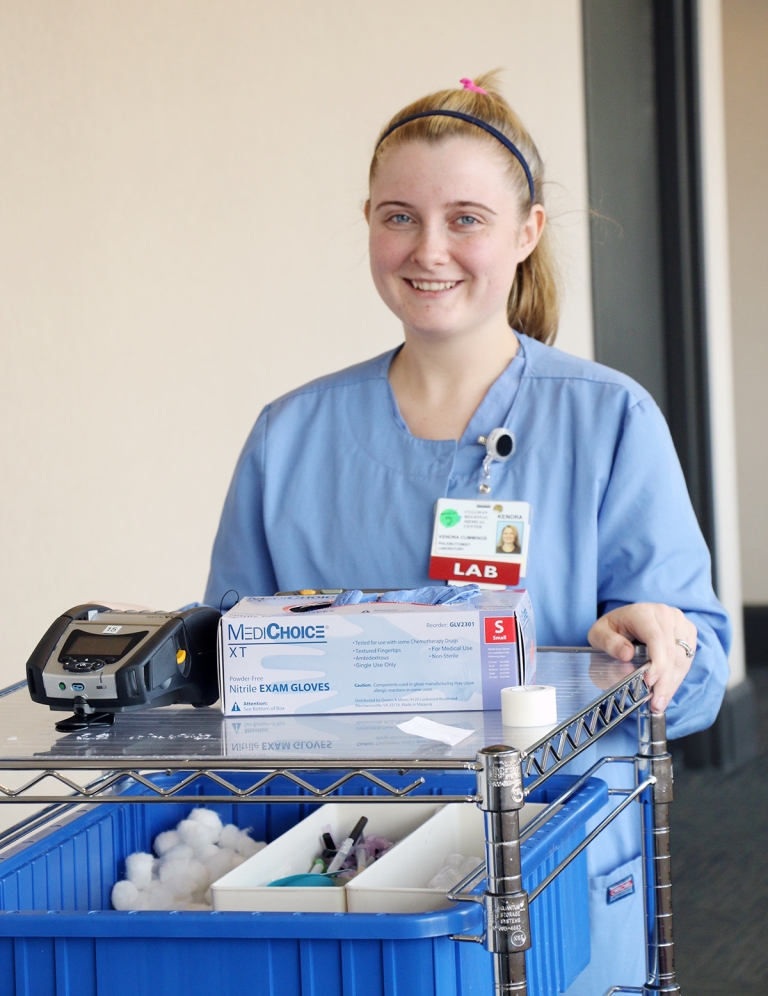
What Does a Phlebotomy Technician Do? Essential Insights into Their Role and Responsibilities
In teh dynamic world of healthcare, phlebotomy technicians play a crucial role in ensuring accurate diagnosis and effective patient care. Whether you’re considering a career in the medical field or just curious about the daily duties of these professionals,understanding what a phlebotomy technician does can provide valuable insights into this vital healthcare specialization. This extensive guide covers their responsibilities, skills needed, benefits of the profession, and practical tips to excel in this rewarding career.
Introduction
Phlebotomy technicians, also known as phlebotomists, are specialized healthcare professionals trained to draw blood from patients for various laboratory tests, transfusions, donations, or research. Their role is often underestimated, but without their expertise, many medical diagnoses and treatments would be delayed or compromised. This article explores the core functions, essential skills, and the impact of phlebotomy technicians in the healthcare ecosystem.
understanding the Role of a Phlebotomy Technician
What is a Phlebotomy Technician?
A phlebotomy technician specializes in collecting blood samples from patients using various techniques. Their primary goal is to obtain high-quality specimens while ensuring patient safety and comfort. They work in settings such as hospitals, clinics, laboratories, and blood donation centers.
Key Responsibilities of a Phlebotomy Technician
- Preparing patients: Explaining the procedure, calming anxious patients, and verifying patient identity.
- Gathering equipment: Assembling needles, tubes, labels, and disinfectants needed for blood collection.
- Performing blood draws: Using techniques like venipuncture and capillary puncture to collect blood samples.
- Labeling and handling samples: Ensuring specimens are correctly labeled and transported to laboratories.
- Maintaining safety protocols: Adhering to infection control standards and handling biohazardous materials properly.
- Record keeping: documenting collection details and updating patient records accurately.
- Communicating wiht healthcare team: Collaborating with nurses,lab technicians,and doctors.
- Managing supplies: Restocking collection kits and maintaining clean workstations.
Skills and Qualifications Necessary for a Phlebotomy Technician
Essential Skills
- Attention to detail: Ensuring specimen accuracy and proper labeling.
- Communication skills: Explaining procedures and providing reassurance to patients.
- Manual dexterity: Precise needle placement and blood collection techniques.
- Patience and empathy: Handling anxious or challenging patients with care.
- Knowledge of safety protocols: Infection control and biohazard handling.
Educational and Certification Requirements
Typically, becoming a phlebotomy technician requires completing a training program approved by relevant health authorities. Certification, such as the Certified Phlebotomy Technician (CPT), is often preferred or required by employers and can enhance job prospects and salary potential. Basic requirements usually include:
- High school diploma or GED
- Completion of a recognized phlebotomy training program (40-120 hours)
- Passing a certification exam (e.g., National Certified phlebotomy Technician, NPT)
Benefits and practical Tips for Aspiring Phlebotomy Technicians
Advantages of a Career in Phlebotomy
- Entry-level positions with relatively rapid training periods
- High demand across healthcare settings
- Possibility to work in diverse environments
- Potential for advancement into supervisory roles or specialized fields
- Fulfilling work helping patients directly
Practical Tips to Excel in the field
- Maintain a compassionate attitude and excellent communication skills.
- Practice proper technique and stay updated on safety standards.
- Seek feedback from supervisors and colleagues to improve skills.
- Invest in continuous education opportunities and certifications.
- Stay organized and keep detailed records of all procedures.
Case Studies: Real-Life Experiences of Phlebotomy Technicians
| Scenario | Challenge | Outcome |
|---|---|---|
| Drawing blood from a pediatric patient | Patient was anxious and uncooperative | Used calming techniques, successfully collected the sample, and built trust for future visits |
| Handling a difficult vein | Patient had fragile veins making collection challenging | Utilized advanced techniques, minimized discomfort, and achieved accurate specimen collection |
| Managing high-volume collection during blood donation drives | Time management and ensuring safety | Streamlined process, maintained safety standards, and increased donation efficiency |
First-Hand Experience: A Day in the life of a Phlebotomy Technician
Starting the day early, a typical phlebotomy technician prepares the workstation, reviews scheduled appointments, and stocks supplies. Throughout the day, they interact with diverse patients-ranging from children to elderly adults-collecting blood samples with care and precision. Good communication and a calm demeanor are essential, especially when dealing with anxious or difficult patients. after completing collections, they label and transport samples, report any issues to lab staff, and restock equipment. Despite the physical demands, many technicians find this career highly rewarding due to its direct impact on patient health and diagnostics.
Conclusion
Understanding what a phlebotomy technician does reveals a profession rich in obligation, skill, and personal fulfillment. From performing accurate blood draws to ensuring patient comfort and safety, these professionals are vital cogs in the healthcare system. With a growing demand for healthcare services and diagnostic testing, pursuing a career as a phlebotomy technician offers a promising path for those interested in healthcare careers that combine technical skill with compassionate patient care. If you’re considering entering this field, focus on acquiring the necessary training, honing your interpersonal skills, and staying committed to continuous learning to excel and make a meaningful difference in patients’ lives.