Become a Certified phlebotomist: Complete Training Course Guide to launch your Healthcare Career
Embarking on a healthcare career can be both exciting and fulfilling, especially in roles like a certified phlebotomist. If you’re interested in joining the medical field and helping patients through blood collection, this comprehensive guide will walk you through the essential steps to becoming a certified phlebotomist. From training requirements to benefits and practical tips, you’ll find everything you need to start your journey today!
Introduction
In today’s evolving healthcare landscape, trained professionals are in high demand. Phlebotomists play a vital role in diagnosing and monitoring health conditions by collecting blood samples accurately and safely. Certified phlebotomy professionals are sought after in hospitals, clinics, laboratories, and outpatient care centers. The path to becoming certified may seem daunting,but with the right training and readiness,you can launch a rewarding healthcare career in no time.
What Is a Phlebotomist?
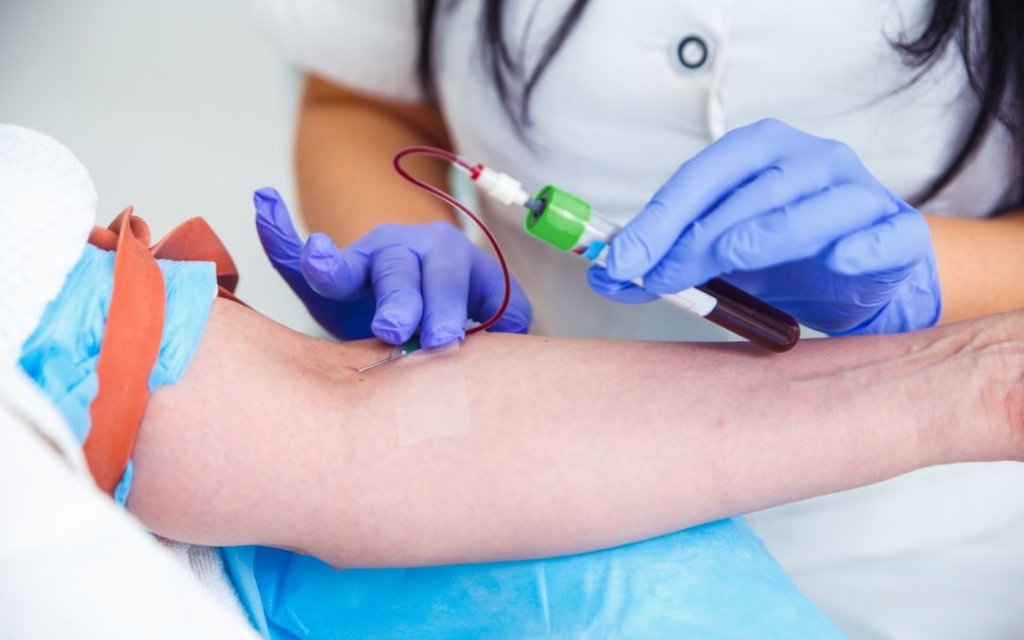
A phlebotomist is a healthcare professional specialized in drawing blood from patients for testing, transfusions, donations, or research.Their work involves patient interaction, maintaining sterility, and ensuring proper sample handling.The role requires a mix of technical skill and compassion, making it ideal for individuals passionate about patient care and teamwork.
Steps to Become a Certified Phlebotomist
1. Meet Basic Eligibility Requirements
- Minimum age of 18 years
- High school diploma or GED
- Background check (varies by state)
- Relevant health screenings (e.g., TB test, immunizations)
2. Enroll in a Certified Phlebotomy Training Program
Selecting the right training course is crucial. Look for programs accredited by recognized bodies such as the national Accrediting agency for clinical Laboratory Sciences (NAACLS) or the American Society for Clinical Pathology (ASCP). Training typically includes classroom instruction, lab practice, and supervised clinical experience.
3. Complete Phlebotomy Training and Clinical Practice
The training program covers:
- Blood collection techniques
- Anatomy and physiology
- Safety procedures and infection control
- Patient communication and professionalism
Most programs require between 40 to 120 hours of coursework, including hands-on clinical practice at healthcare facilities.
4. Pass the Certification Exam
After completing the training,aspiring phlebotomists must pass a certification exam to demonstrate their knowledge and skills. Popular certifying agencies include:
- National Center for competency Testing (NCCT)
- american Society for Clinical pathology (ASCP) Board of certification
- american Medical Technologists (AMT)
Preparation tips include reviewing exam content outlines, taking mock tests, and practicing blood collection skills.
5. Obtain State Certification or Licensing (If Required)
certification requirements vary by state. Some states require licensure or registration, while others accept national certification alone. Check your state’s health department guidelines for specific requirements.
Choosing the Right Phlebotomy Training Program
when selecting a training program,consider the following factors:
- Accreditation status
- Program length and format (in-person or online)
- Clinical practice opportunities
- Reputation and reviews
- cost and financial aid options
| Training Program | Duration | Clinical Hours | Cost |
|---|---|---|---|
| Basic Phlebotomy Course | 4 weeks | 40 Hours | $1,200 |
| Advanced Certification Program | 8 Weeks | 80 Hours | $2,500 |
| Online Phlebotomy Training | Self-paced | Variable | $999 |
Benefits of Becoming a Certified Phlebotomist
- High demand with job stability and growth potential
- Possibility to work in diverse healthcare settings
- Competitive salary range ($30,000 – $45,000/year)
- Minimal educational requirements compared to other healthcare roles
- Ability to advance to roles like supervisory or training positions
Practical Tips for Aspiring phlebotomists
- Practice blood draw techniques regularly to build confidence
- develop strong communication skills for patient comfort
- Stay updated on safety protocols and new technologies
- Network with professionals through internships and healthcare events
- Maintain a professional appearance and compassionate demeanor
Case Study: Success Story of a Certified Phlebotomist
Jennifer,a recent graduate of a reputable phlebotomy training program,started her career in a local hospital’s outpatient lab. Thanks to her certification and hands-on experience, she quickly gained confidence and earned a promotion to lead phlebotomist within a year. Jennifer emphasizes the importance of continuous learning and patient care skills-both key to long-term success in the field.
First-Hand Experience: What to Expect on the Job
Working as a phlebotomist involves:
- Preparing patients and explaining procedures
- Using various blood collection methods (venipuncture, capillary puncture)
- Labeling and handling samples with care
- Maintaining sterile and safety standards
- Working efficiently in fast-paced environments
Most professionals find the role rewarding, especially when they see the positive impact of their work on patient health outcomes.
Conclusion
Becoming a certified phlebotomist is an excellent pathway into the healthcare industry,offering promising job prospects,meaningful work,and opportunities for growth.By completing a certified training program, passing relevant certification exams, and gaining practical experience, you can launch a successful and fulfilling career in medical laboratory services. Whether you’re just starting out or looking to advance your skills, this guide provides the essential steps to help you succeed in the exciting world of phlebotomy.
Start your journey today-enroll in a reputable training program, prepare diligently, and step into a healthcare career that makes a difference every day!