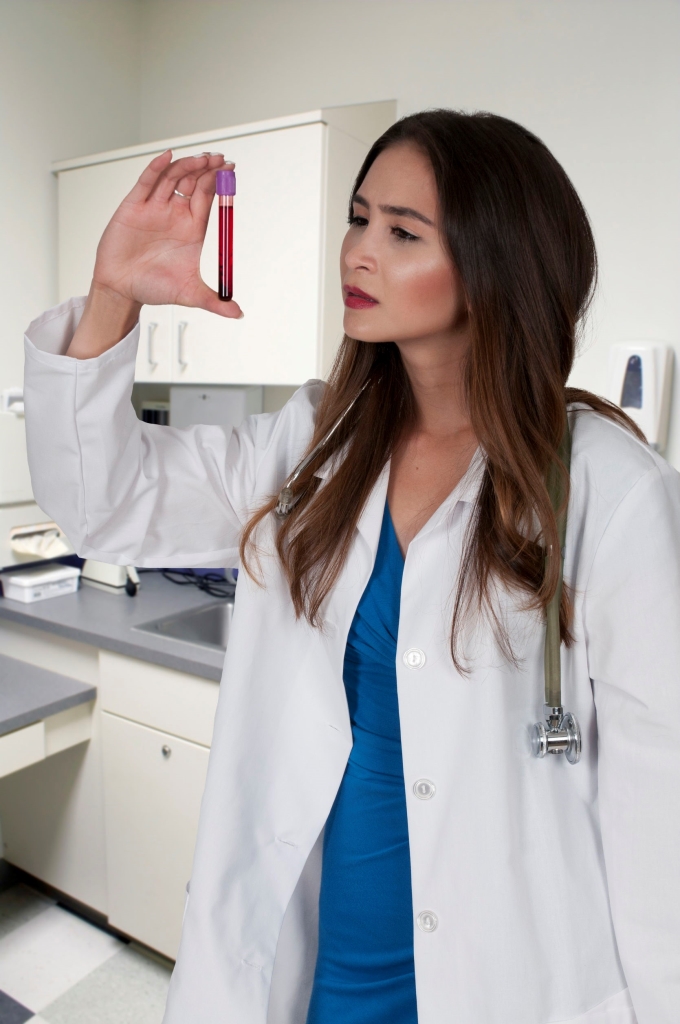
What You need to Know: How to Become a Phlebotomist in 2024
Embarking on a career as a phlebotomist can be a rewarding choice for those interested in healthcare and patient care. In 2024, the demand for skilled phlebotomists continues to grow, driven by advancements in medical testing and an increasing focus on diagnostics. If you’re considering this profession, understanding the essential steps, certifications, training requirements, and future outlook are crucial. This comprehensive guide will walk you through everything you need to know about how to become a phlebotomist in 2024.
What is a Phlebotomist?
A phlebotomist is a healthcare professional trained to draw blood samples from patients for laboratory testing, transfusions, donations, or research. They play a vital role in the diagnostic process, ensuring blood samples are collected safely, efficiently, and comfortably for patients.
Why Choose a Career as a Phlebotomist?
- Growing job market with high employment prospects
- Relatively quick certification process
- Opportunities for specialization and career advancement
- Rewarding role that makes a difference in patient care
- stability within the healthcare industry
How to Become a Phlebotomist in 2024: Step-by-Step Guide
1.Meet the Basic Eligibility Requirements
- High school diploma or equivalent (GED)
- Age requirement typically 18 or older
- Basic physical stamina and dexterity
- Strong dialog and interpersonal skills
2. Enroll in a Certified Phlebotomy Training Program
Finding the right training program is essential. Look for accredited courses that cover vital skills like venipuncture techniques, safety protocols, specimen handling, and patient interaction.
- Local community colleges
- Vocational schools
- Online training programs (must include clinical practice)
3. complete practical Training and Clinical Experience
Hands-on experience is key. Most programs include clinical rotations where you’ll practice on real patients under supervision. This practical exposure prepares you for real-world scenarios and enhances your confidence.
4. Obtain Certification
Certification is not mandatory in all states, but it considerably improves employability and earning potential. The most recognized credential is the Certified Phlebotomy Technician (CPT) offered by organizations like:
- American Society for Clinical Pathology (ASCP)
- National Phlebotomy Association (NPA)
- American medical Technologists (AMT)
To qualify, candidates generally need to complete a training program and pass an examination.
5. Apply for Jobs and Start Your Career
Once certified,start applying to hospitals,clinics,laboratories,blood banks,and diagnostic centers. Leverage your clinical experience and certifications to land your first position as a professional phlebotomist.
Additional Certifications and Specializations
After gaining experience, you may pursue further certifications or specializations such as:
- Advanced Phlebotomy Programs
- Blood Donation Centre Specialist
- Capillary Collections
- Healthcare Customer Service
Benefits of Becoming a Certified Phlebotomist in 2024
- Higher earning potential: Certified professionals tend to earn more than non-certified counterparts.
- Enhanced job security: Certification signifies professionalism and commitment.
- Career advancement opportunities: Move into supervisory roles, training, or specialized fields.
- Versatility: Opportunities to work part-time, full-time, or in mobile/mobile blood donation clinics.
- Satisfaction from helping others: Making a tangible difference in patients’ lives.
Practical Tips to Succeed as a Future Phlebotomist
- Practice your venipuncture skills diligently during training.
- Develop excellent communication skills for patient comfort and compliance.
- Maintain patient confidentiality and adhere to safety protocols.
- Stay updated with new testing techniques and industry standards.
- Create a professional resume highlighting your clinical experience and certifications.
case Study: From Training to Career Success in 2024
| step | Details | Outcome |
|---|---|---|
| Training Program | Completed a 120-hour accredited course with clinical rotation | Gained practical venipuncture skills and patient interaction experience |
| Certification | Passed the CPT exam through the ASCP | Achieved certification recognized nationally |
| Job Application | Applied to local clinics and blood banks | Secured a full-time phlebotomy technician role within 2 months |
| Growth | Completed additional training in blood donation procedures | Promoted to Lead Phlebotomist within 1 year |
Future Outlook for phlebotomists in 2024
The demand for phlebotomists continues to increase due to the expansion of diagnostic testing, aging populations requiring more healthcare services, and ongoing developments in laboratory technology. According to the Bureau of Labor Statistics, employment of phlebotomists is projected to grow by about 10% through 2030, much faster than the average for all occupations. So, starting your journey now in 2024 means stepping into a stable and promising healthcare career with numerous opportunities for growth.
Conclusion
Becoming a phlebotomist in 2024 is an attainable and rewarding career choice for those interested in healthcare, patient interaction, and medical diagnostics. By understanding the necesary steps-such as completing accredited training, obtaining certification, and gaining practical experience-you can position yourself for success in this vital medical field. With a strong job outlook and opportunities for professional development, now is the perfect time to embark on your journey as a certified phlebotomist. Prepare, train, and thrive in the healthcare industry of tomorrow!