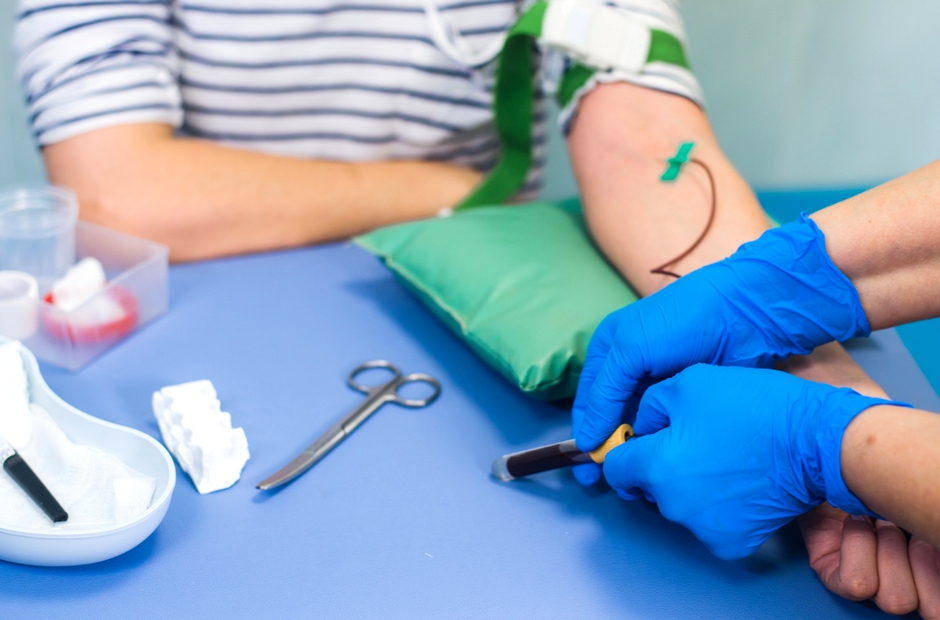
Ultimate Guide to Complete Phlebotomy Training: Skills, Certification, and Career Tips
Embarking on a career in healthcare often begins with mastering the art of phlebotomy-the practice of drawing blood for testing, transfusions, research, or donations. Whether you’re a beginner exploring healthcare careers or a seasoned professional seeking certification updates, understanding the essentials of phlebotomy training is crucial. This comprehensive guide offers insights into the skills required, certification pathways, career prospects, practical tips, and real-life case studies to prepare you for success in this rewarding field.
What is Phlebotomy? An Overview
Phlebotomy involves the collection of blood samples from patients or donors using sterile techniques. It is indeed a vital component of diagnostic testing, patient care, and research. Proper phlebotomy practices ensure the accuracy of tests, patient safety, and comfort. Becoming a qualified phlebotomist requires proper training, certification, and ongoing professional progress.
Essential Skills Required for Phlebotomy
Triumphant phlebotomists possess a blend of technical skills, interpersonal abilities, and adherence to safety protocols. Here are some key skills:
- Technical Proficiency: Knowledge of venipuncture techniques, equipment handling, and specimen collection.
- Attention to Detail: Accurate labeling, documentation, and sample handling to prevent errors.
- Communication Skills: Comforting patients,explaining procedures,and answering questions confidently.
- Manual Dexterity: Steady hands for needle insertion and handling delicate equipment.
- Knowledge of Safety and hygiene: Infection control, PPE use, and proper disposal of sharps.
Phlebotomy Certification: The Pathway to Professional Recognition
Certification validates your skills and increases employability.While certification requirements vary by state and country, most employers prefer or require certified phlebotomists. The process generally involves completing a phlebotomy training program and passing a certification exam.
Popular Certification Agencies
| Certification Body | Requirements | Validity Period |
|---|---|---|
| American Society for Clinical Pathology (ASCP) | Training + Exam | 3 years |
| National Phlebotomy Association (NPA) | Training + Experience + Exam | 3 years |
| American Medical Technologists (AMT) | Training + Exam | 3 years |
Steps to Get Certified
- Complete an accredited phlebotomy training program (typically 40-120 hours).
- Gain hands-on practice through supervised clinical experience.
- Apply for certification through the appropriate agency.
- Prepare and pass the certification exam.
- Maintain certification with continuing education and renewal every 2-3 years.
Phlebotomy Training Programs: What to Expect
When choosing a phlebotomy training program, consider the curriculum, clinical practice opportunities, instructor expertise, and certification prep. A comprehensive program covers:
- Basic anatomy and physiology
- Blood collection techniques (venipuncture and capillary draws)
- Specimen handling and processing
- Patient care and communication
- Safety protocols and OSHA regulations
Types of Training Options
- In-person Classes: Hands-on training with real practice opportunities.
- Online Courses: Flexible learning but often supplemented with practical labs.
- Hybrid Programs: Combination of online theoretical instruction and in-person clinicals.
Career Opportunities in Phlebotomy
Once certified, numerous career avenues open up. Phlebotomists are employed in various healthcare settings, including:
- Hospitals and clinics
- Diagnostic laboratories
- Blood donation centers
- Physician offices
- Research facilities
Average Salary and Job Outlook
The demand for qualified phlebotomists is rising due to increased healthcare needs and routine diagnostic testing. According to BLS data (as of 2023), the average annual salary ranges from $32,000 to $40,000. The job outlook remains positive with a projected growth rate of 10% over the next decade.
Practical Tips for Aspiring Phlebotomists
- Gain Extensive Hands-On Experience: Practice as much as possible during training to build confidence and skill.
- Prioritize Patient Comfort and safety: Use gentle techniques, communicate clearly, and follow infection control protocols.
- Stay Updated on Best Practices: Continually pursue certified refresher courses and professional development.
- Maintain Professionalism: Be punctual, respectful, and adaptable in challenging situations.
Case Studies: Real-World Phlebotomy Experiences
Case Study 1: Successful Blood Draw under Pressure
Jane, a newly certified phlebotomist, faced a difficult patient with fragile veins. By applying proper techniques learned in her training and calming the patient, she successfully drew blood without discomfort or complications, earning praise from her supervisor.
Case Study 2: Managing Difficult Situations
Mike encountered a patient with a fear of needles. He used empathetic communication and distraction techniques, turning a stressful situation into a positive experience, highlighting the importance of interpersonal skills.
First-Hand Experience and Testimonials
Many professional phlebotomists emphasize that hands-on practice and ongoing education are key to success. Testimonials from seasoned practitioners share insights like, “The more you practice, the more confident you become,” and “Continuing education keeps your skills sharp and job prospects luminous.”
Benefits of Becoming a Certified Phlebotomist
- Job Security: High demand for skilled professionals.
- Career Advancement: Opportunities to specialize or move into supervisory roles.
- Contribution to Healthcare: Playing a crucial role in diagnostics and patient care.
- Flexible Work Settings: Work in hospitals, labs, clinics, or blood banks.
Conclusion
The path to becoming a proficient and certified phlebotomist begins with comprehensive training, developing essential skills, and obtaining proper certification. As healthcare continues to evolve, qualified phlebotomists remain in high demand, offering a stable and rewarding career. Embrace practical experience, continuous learning, and compassionate patient care to thrive in this vital healthcare role. whether you’re just starting out or looking to elevate your career, this ultimate guide to complete phlebotomy training provides the insights you need to succeed.