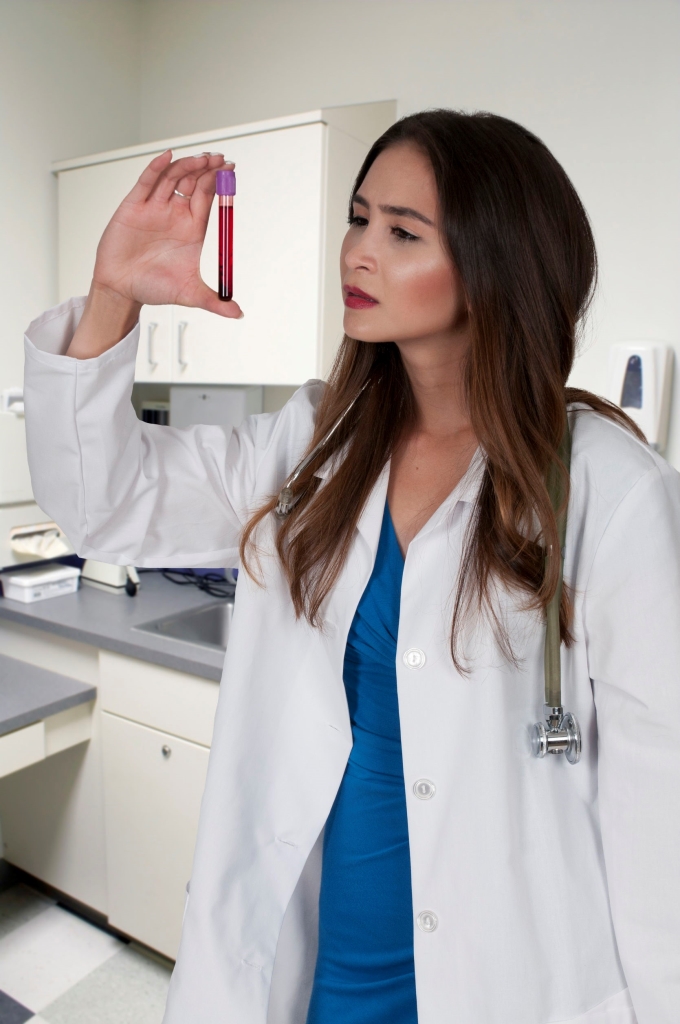
How to Get Certified in Phlebotomy: Your Complete Step-by-Step Guide to launching a Healthcare Career
Starting a career in healthcare can be both exciting and rewarding, with opportunities to make a real difference in people’s lives. If you’re interested in becoming a vital part of medical laboratories, hospitals, or clinics, earning a phlebotomy certification is a crucial first step. This comprehensive guide will walk you thru the entire process-covering requirements, the certification exam, practical training, and practical tips to help you succeed. Let’s explore how to get certified in phlebotomy and kick-start your healthcare career today!
What is Phlebotomy and Why Is Certification Crucial?
Phlebotomy involves drawing blood samples from patients for testing, transfusions, research, or donation. It’s a fundamental role within medical laboratories and healthcare facilities. Certification in phlebotomy not only validates your skills and knowledge but also increases employability and earning potential. Employers often prefer certified professionals due to the standardized skill set and adherence to safety protocols.
Prerequisites for Becoming a Certified Phlebotomist
Educational Requirements
- High school diploma or GED
- Some programs may require basic math and science knowledge
Other Qualifications
- Minimum age requirement (typically 18+ years old)
- Good communication skills and a compassionate attitude
- Clean criminal background (depending on employer requirements)
Step-by-Step Process to Get Certified in Phlebotomy
step 1: Research and Choose a certified Phlebotomy Training Program
Select an accredited training program that suits your needs-whether online, on-campus, or hybrid models.Accreditation ensures the program meets industry standards and prepares you adequately for certification.
Step 2: Complete a Phlebotomy Training Course
Most certification agencies require a training program that covers both theoretical knowledge and practical skills such as blood collection techniques, safety protocols, anatomy, and patient communication.
Step 3: Accumulate hands-On Clinical Experience
Part of your training involves supervised clinical practice, where you’ll perform blood draws on real patients.The number of required supervised procedures varies but typically ranges between 20-50 successful collections.
Step 4: prepare for the Certification Exam
Review course materials, practice with sample questions, and ensure you understand key concepts such as global precautions, specimen handling, and anatomy. Many training programs provide exam prep resources.
Step 5: Register and Sit for the Certification Exam
Choose an approved certifying agency such as the American Society for Clinical Pathology (ASCP),National Healthcareer association (NHA),or American Medical Technologists (AMT). Register online, pay the exam fees, and schedule your test date.
Step 6: Pass the Certification Exam
The exam typically includes multiple-choice questions testing your knowledge and practical skills. Achieving a passing score earns you the credential needed to work as a certified phlebotomist.
step 7: Obtain Your Certification and Start Your Job Search
After passing, you’ll recieve your certification credentials. Update your resume, apply for phlebotomy positions, and prepare for interviews-your certification enhances your job prospects significantly.
common Certification Agencies and Their Requirements
| Agency | Certification Name | Requirements | Exam Cost |
|---|---|---|---|
| American Society for Clinical Pathology (ASCP) | Certified Phlebotomy technician (CPT) | Completion of accredited program + clinical experience | $135 |
| National Healthcareer Association (NHA) | Certified Phlebotomy Technician (CPT) | High school diploma + training + clinical hours | $117 |
| American Medical Technologists (AMT) | Registered Phlebotomy Technician (RPT) | Training, clinical experience, and application | $135 |
Benefits of Becoming a Certified Phlebotomist
- Increased job opportunities: Certification makes you more competitive in the healthcare job market.
- Higher earning potential: Certified professionals often earn more than non-certified counterparts.
- Professional credibility: Certification demonstrates your commitment and competence.
- Career advancement options: Certification opens doors to supervisory, training, or specialized roles.
- Personal growth: Gain confidence in your skills and enhance patient care quality.
Practical Tips for Success in Your Phlebotomy Certification Journey
- Choose an accredited program: Ensures your training is recognized and valued by employers.
- Practice regularly: The more you practice blood draws, the more confident you’ll become.
- Stay organized: Keep track of clinical hours, coursework, and exam dates.
- Utilize study resources: use practice exams, flashcards, and study guides.
- Join professional networks: Connect with other phlebotomists for support and mentorship.
First-Hand Experience and Success Stories
Many certified phlebotomists report a sense of fulfillment in helping patients and alleviating their anxiety about blood draws.For example, Sarah, a recent graduate from a community college program, shared, “Getting certified boosted my confidence and opened doors to my first job in a busy hospital. I love knowing I make a difference every day.”
Case Study: From Certification to Career Success
| Name | Training Path | Certification Agency | Current Role |
|---|---|---|---|
| Alex M. | Online program + clinical internship | NHA | Hospital Phlebotomist |
| Maria L. | Community college + externship | ASCP | Lab Technician |
Conclusion
Becoming a certified phlebotomist is a strategic step towards a fulfilling and stable healthcare career. By following the outlined process-from choosing the right training program to passing your certification exam-you set yourself up for success in this essential medical field. Not only does certification improve your job prospects and earning potential, but it also equips you with valuable skills to provide compassionate patient care. Start your journey today, and embark on a rewarding path as a certified phlebotomist-in a role that truly makes a difference.