Ultimate Guide to Phlebotomy certification requirements by State in 2024
Embarking on a career as a certified phlebotomist can be a rewarding journey in the healthcare industry. However, understanding the specific certification requirements across different states is essential to ensure compliance and boost your employability. In this comprehensive guide, we’ll walk you through everything you need to know about phlebotomy certification requirements by state in 2024, including prerequisites, steps to certification, benefits, and practical tips to succeed.
Introduction
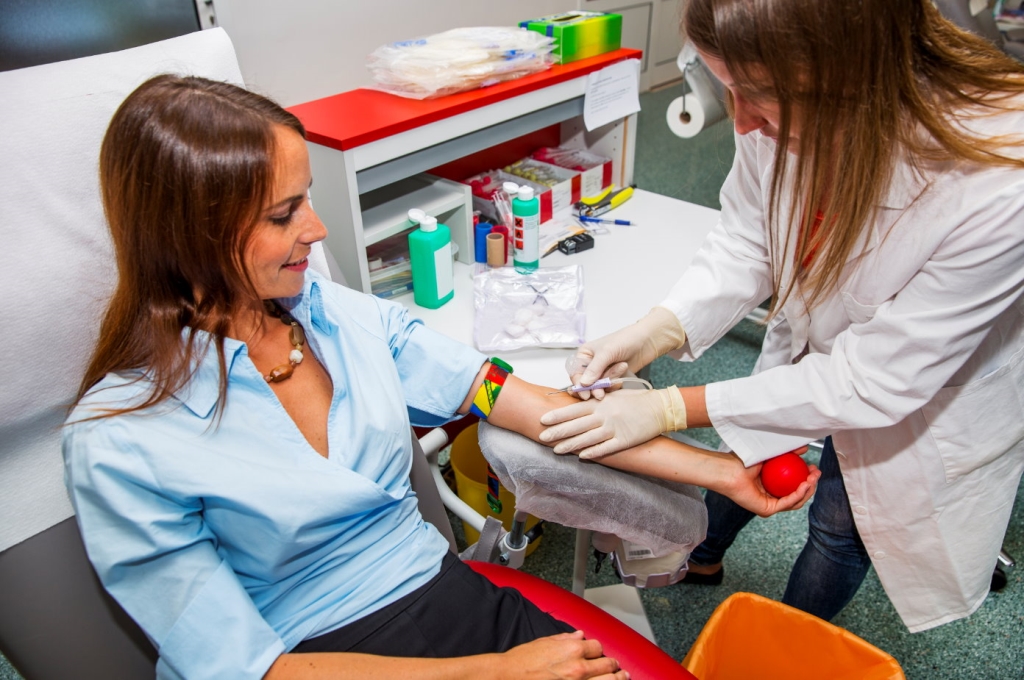
Phlebotomy – the process of drawing blood for tests, transfusions, or research – is a vital component of healthcare diagnostics.As demand for qualified phlebotomists increases, so does the need for proper certification. Each U.S. state has its own regulations regarding certification eligibility, exam specifics, and licensing. Whether you’re a budding healthcare professional or seeking to advance your existing career, understanding these state-specific requirements can definitely help you navigate the certification process with confidence.
Why is State-Specific Phlebotomy Certification Important?
Certifying in accordance with your state’s regulations ensures you meet legal and professional standards, improves job prospects, and can perhaps lead to higher earning potential. Some states require licensure, while others accept national certification as sufficient proof of competence. additionally, staying informed about these requirements helps avoid delays or legal issues in your phlebotomy career.
National Certification vs. State Licensing: What’s the Difference?
Most states recognize national certifying agencies, such as:
- American Society for Clinical Pathology (ASCP)
- national Healthcareer Association (NHA)
- American Medical Technologists (AMT)
- National Phlebotomy Association (NPA)
Some states, however, require additional licensing or have their own certification standards. It’s crucial to verify your state’s specific requirements before starting certification procedures.
Steps to Obtain Phlebotomy Certification in 2024
1. Meet Prerequisites
- high school diploma or GED
- Relevant coursework or training program
- Minimum age requirement (usually 18+)
2.Complete a Certified Phlebotomy Training Program
Choose an accredited program that covers essential skills, safety protocols, and legal considerations. Hands-on clinical experience is usually a requirement.
3. Gather Required Documentation
- Proof of completed training
- Identification documents
- Application forms
4. Pass the Certification Exam
Most certification agencies require passing a comprehensive exam testing knowledge and practical skills in phlebotomy. Some states may have their own exams.
5. apply for State Licensure or Certification if Required
Follow your state’s procedures for application submission and fee payment. Keep your certification current through continuing education and renewal processes.
State-by-State Phlebotomy certification Requirements in 2024
Below are the key points for each state, including whether licensure is mandatory, recognized certifying bodies, and any unique prerequisites.
| State | Certification Needed? | Licensing required? | Acceptable Certifying Agencies | Additional Notes |
|---|---|---|---|---|
| California | Yes | Yes | ASCP,NHA,AMT | Must complete approved training and pass exam |
| Texas | Yes | Yes | State-specific exam plus national certs | Must register with the Texas department of State Health Services |
| florida | Yes | Yes | All major certifying agencies | Renewal every 2 years with CEUs |
| New York | Yes | Yes | ASCP,NHA,AMT | requires blood-borne pathogen training in addition |
| Illinois | Yes | Yes | National agencies only | must be registered with state health department |
| Other States | Varies | Varies | Refer to state health department or professional boards | Check local requirements for specifics |
Benefits of Becoming a Certified Phlebotomist in 2024
- Enhanced Employability: Certification sets you apart in a competitive job market.
- higher Salary Potential: Certified professionals often earn more than non-certified counterparts.
- Legal Compliance: Meeting state requirements reduces legal risks.
- Career Advancement: Certification opens doors to supervisory roles or specialized positions.
- Professional Credibility: Certification affirms your competence and commitment to quality care.
Practical Tips for Success in Phlebotomy Certification
- Choose an accredited training program with local clinical practice opportunities.
- Study thoroughly for the certification exam, focusing on anatomy, safety, and blood collection techniques.
- Gain hands-on experience via internships or externships.
- Stay informed about your state’s licensing procedures before applying.
- Join professional associations for networking and ongoing education.
Real-Life Case Study: From Student to Certified Phlebotomist in california
Jane, a recent graduate from a certified phlebotomy program in California, initially was unsure about the certification process. She completed her coursework, gained clinical experience, and prepared diligently for the California Certified Phlebotomy Technician exam. upon passing, she applied for state licensure, which involved submitting proof of training and exam results. Today, Jane works in a busy hospital lab, earning a competitive salary and planning to pursue advanced healthcare certifications. Her journey exemplifies how understanding and fulfilling state-specific requirements can transform career prospects.
conclusion
In 2024, obtaining a phlebotomy certification tailored to your state’s regulations is a crucial step toward a rewarding healthcare career. whether you plan to work in a large hospital, outpatient lab, or outpatient setting, being informed about the specific certification and licensing requirements will save you time and resources. Remember, each state has unique rules, so always verify your local regulations before beginning the certification process. By choosing accredited training, preparing thoroughly, and staying compliant with your state’s legal standards, you’ll be well on your way to becoming a competent and confident phlebotomist. Take charge of your future today and step into a thriving healthcare profession!