**Title: Mastering Phlebotomy: Essential Training Tips for Aspiring Phlebotomists**
**Introduction**
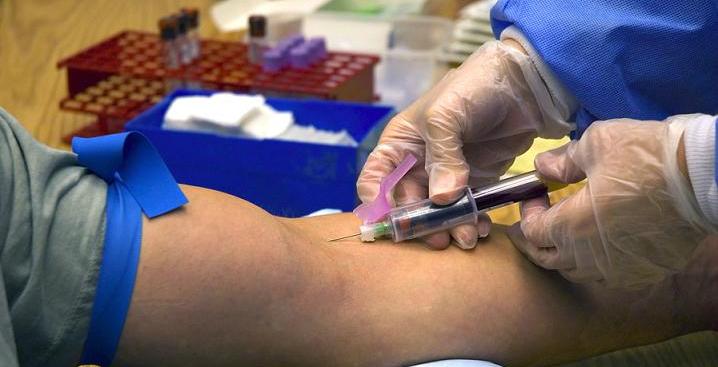
Phlebotomy is a crucial skill in the healthcare industry that involves drawing blood from patients for medical testing, transfusions, donations, or research purposes. Aspiring phlebotomists must undergo comprehensive training to master the techniques and practices necessary for this role. In this article, we will explore essential training tips for aspiring phlebotomists to excel in their careers.
**Benefits of Mastering Phlebotomy Training**
Mastering phlebotomy skills can open up numerous opportunities in the healthcare field. Some of the benefits of becoming a proficient phlebotomist include:
- High demand: Phlebotomists are in high demand in hospitals, clinics, laboratories, and blood donation centers.
– Competitive salary: Skilled phlebotomists are well-compensated for their expertise.
– Career advancement: With experience and further training, phlebotomists can advance to supervisory or teaching positions.
– Job satisfaction: Helping patients and providing essential medical support can be a rewarding experience.
**Essential Training Tips for Aspiring Phlebotomists**
1. **Enroll in a reputable phlebotomy training program:** Look for accredited programs that offer comprehensive training in venipuncture techniques, safety protocols, communication skills, and medical ethics.
2. **Practice hands-on skills:** Take advantage of hands-on training opportunities to hone your blood-drawing techniques under the supervision of experienced instructors.
3. **Familiarize yourself with medical terminology:** Understanding medical terminology is essential for accurate communication with healthcare professionals and patients.
4. **Stay updated on industry trends:** Keep abreast of the latest developments in phlebotomy practices, equipment, and regulations to ensure compliance with industry standards.
5. **Develop strong communication skills:** Establishing rapport with patients, explaining procedures, and addressing their concerns effectively are crucial aspects of the phlebotomist’s role.
6. **Focus on safety and infection control:** Adhere to strict safety protocols, including hand hygiene, proper disposal of needles, and the use of personal protective equipment to prevent the spread of infections.
7. **Master the art of venipuncture:** Practice vein selection, needle insertion, and blood collection techniques to minimize discomfort and ensure accurate sample collection.
**Firsthand Experience:**
Sarah, a certified phlebotomist, shares her experience:
“Mastering phlebotomy takes time and practice. I found that patience, attention to detail, and empathy for patients are essential qualities for success in this field. Continuous learning and staying updated on best practices have helped me excel in my career.”
**Conclusion**
Becoming a skilled phlebotomist requires dedication, training, and practice. By enrolling in a reputable training program, developing hands-on skills, and prioritizing safety and communication, aspiring phlebotomists can master the essential techniques needed for success in this rewarding healthcare profession. Remember to stay informed about industry trends, seek mentorship opportunities, and never stop learning and improving your skills. Mastering phlebotomy is a journey that requires commitment, but the rewards are well worth the effort.