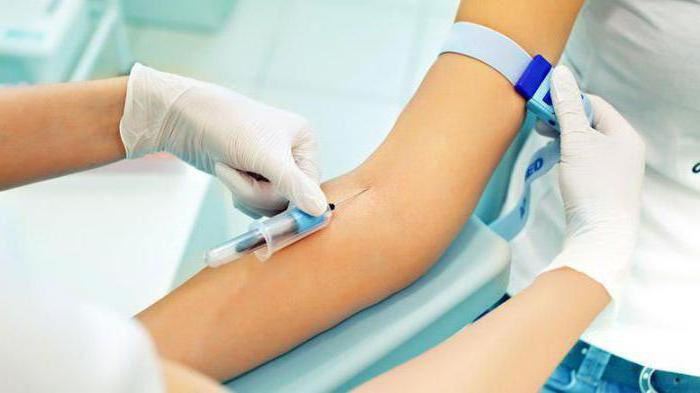
Understanding EKG and Phlebotomy: Essential Insights into Heart Monitoring and Blood collection
In teh realm of healthcare, accurate diagnosis and patient care heavily depend on specialized procedures such as electrocardiograms (EKGs) and phlebotomy. These essential medical practices play a pivotal role in detecting cardiac issues and facilitating blood tests that inform clinical decisions.Whether you’re a healthcare professional, a student, or a curious patient, understanding these techniques is vital for appreciating their importance in maintaining heart health and overall wellness.
Introduction
Medical diagnostics have evolved significantly, with technologies like EKGs and blood collection methods becoming routine yet elegant tools in clinical settings. While both techniques serve different purposes, they are interconnected in comprehensive patient assessment. This article offers a detailed overview of EKG and phlebotomy, exploring their procedures, benefits, and practical insights to enhance understanding and request in medical practice and personal health management.
What is an EKG? An Overview of Heart Monitoring
Definition and Purpose of EKG
An electrocardiogram (EKG or ECG) is a non-invasive diagnostic test that records the electrical signals generated by the heart as it contracts and relaxes. It provides crucial information about heart rhythm, electrical activity, and overall cardiac health. EKGs are instrumental in diagnosing arrhythmias, ischemia, heart attacks, and other cardiovascular conditions.
How an EKG Works
The procedure involves attaching small electrodes to specific points on the patient’s chest, arms, and legs.These electrodes detect electrical impulses produced during each heartbeat and transmit the data to an EKG machine,which visualizes the signals as waveforms.Interpreting these waveforms helps cardiologists assess heart function accurately.
Types of EKG
- Resting EKG: Conducted while the patient is at rest, typically in a clinic or hospital.
- Stress EKG: Performed during physical exertion, such as treadmill exercise, to evaluate heart response to stress.
- Holter monitor: A continuous EKG recording over 24-48 hours for detecting irregularities that occur intermittently.
Understanding Phlebotomy: Blood Collection Techniques
What is Phlebotomy?
Phlebotomy refers to the process of drawing blood from a patient for laboratory testing, transfusions, or research purposes. It is indeed a crucial skill for healthcare providers, requiring precision and knowledge of anatomy to ensure safety and accuracy.
Common Methods of Phlebotomy
- Venipuncture: The standard method involving inserting a needle into a vein, usually in the arm or hand.
- Capillary Phlebotomy: Blood collection from a fingerstick or heelstick, frequently enough used for small sample volumes or testing newborns.
Steps in the Blood Collection Procedure
- Identifying the patient and explaining the procedure.
- Gathering Equipment: needles,tubes,tourniquet,alcohol swabs,gloves.
- Applying the tourniquet to enlarge veins.
- Inserting the needle into the vein at the appropriate angle.
- Filling blood collection tubes and carefully removing the needle.
- Applying pressure and bandaging the puncture site.
Benefits and Practical Tips
benefits of EKG
- Early detection of cardiac arrhythmias and ischemic heart conditions.
- Non-invasive and quick procedure, providing immediate results.
- Help in monitoring the effectiveness of treatments and medications.
Benefits of Phlebotomy
- Facilitates accurate laboratory diagnosis.
- Essential for chronic disease management, such as diabetes or anemia.
- Allows for blood donations, supporting community health.
Practical Tips for Professionals and Patients
- for professionals: Always adhere to sterile procedures, confirm patient identity, and communicate clearly.
- For patients: Stay relaxed, follow pre-test instructions (like fasting, if required), and inform staff of allergies or health issues.
- Ensure proper maintainance of EKG equipment and sterile technique during blood draws to prevent errors or infections.
Case Studies and Real-Life Experiences
Case Study 1: Detecting Silent Heart Attacks
In a recent medical case, a 55-year-old patient with no symptoms underwent a routine EKG. The test revealed subtle electrical changes consistent with a previous silent myocardial infarction, prompting further intervention.This highlights the importance of routine heart monitoring, especially for at-risk populations.
Case Study 2: Detecting Iron Deficiency Anemia via Blood tests
A patient presenting fatigue and weakness underwent blood tests with results showing low hemoglobin and ferritin levels. Phlebotomy not only diagnosed the condition but also facilitated blood donation to help in transfusions. Effective blood collection and laboratory analysis are vital in comprehensive patient care.
Additional Skills and Certification for Professionals
| Certification | Required Skills | Career benefits |
|---|---|---|
| EKG Technician Certification | Electrophysiology, patient care, equipment handling | Higher employability, increased salary |
| Phlebotomy Certification | Venipuncture techniques, infection control | Expanded job opportunities in clinics and labs |
Conclusion
Understanding the fundamentals of EKG and phlebotomy equips both healthcare providers and patients with the knowledge to promote better health outcomes. EKG testing offers an essential window into heart health, aiding in early diagnosis and treatment of cardiac issues. Phlebotomy, on the other hand, remains a cornerstone of diagnostic testing, supporting a wide array of medical decisions through accurate blood collection.
Whether it’s performing a life-saving diagnosis or collecting vital samples, both practices demand skill, precision, and a patient-centered approach. By mastering both, healthcare professionals can deliver comprehensive care, and patients can better understand the procedures that contribute to their health and safety. Embrace these essential insights into heart monitoring and blood collection to stay informed and proactive in health management.