Essential Guide to Phlebotomists Training: Your pathway to a Rewarding Medical Career
if you’re interested in pursuing a fulfilling career in healthcare, becoming a phlebotomist offers an excellent opportunity. This comprehensive guide will walk you through the essentials of phlebotomist training, certification, skills needed, and how to kickstart your journey toward a rewarding medical profession. Whether you’re just exploring options or ready to enroll in training programs, this article provides valuable insights to help you succeed.
What Is a Phlebotomist? An Overview
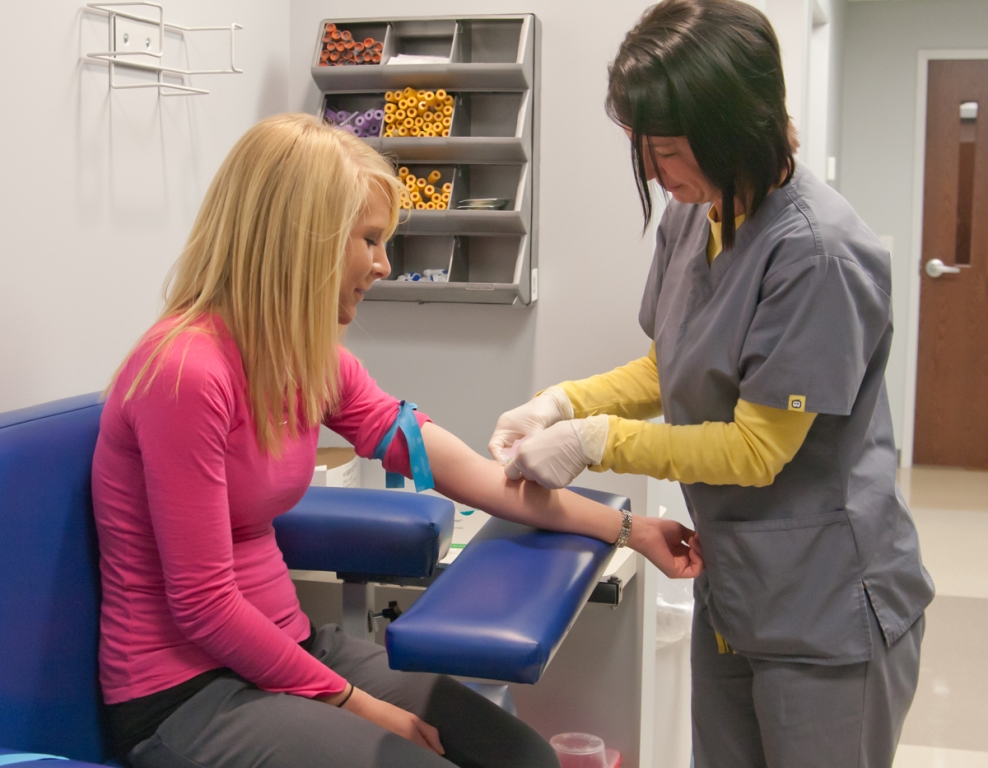
Phlebotomists are healthcare professionals specialized in drawing blood from patients for laboratory testing, transfusions, research, or donation. Their work is vital in diagnostic processes, patient care, and medical research. As a phlebotomist, you will work in hospitals, clinics, blood donation centers, and laboratories, playing a crucial role in healthcare delivery.
The Importance of Phlebotomy Training and Certification
Proper training and certification are essential for ensuring safety, accuracy, and professionalism in blood collection. A well-structured training program prepares aspiring phlebotomists with the technical skills, knowledge of anatomy, patient interaction techniques, and safety protocols necessary for effective practice.
steps to Becoming a Certified Phlebotomist
- Research State Requirements: Verify whether certification is mandatory in your state or country.
- Complete a Phlebotomy Training Program: Enroll in an accredited course that covers theory and practical skills.
- Gain Hands-On Experience: Complete clinical hours practicing blood collection under supervision.
- Obtain Certification: Pass a recognized certification exam such as the Phlebotomy Technician Certification (CPT) from organizations like ASCP, NHA, or AMT.
- Maintain Certification: Fulfill ongoing education or renewal requirements periodically.
Understanding Phlebotomy Training Programs
Curriculum Components
- Human Anatomy and Physiology
- Venipuncture Techniques
- Patient Interaction and Communication
- Safety and Infection Control
- Labeling and Handling Specimens
- Legal and Ethical Considerations
Practical Skills You Will Learn
- Proper identification of patients
- Using needles and collection tubes safely
- Handling and transporting blood samples
- Managing adverse reactions or difficult veins
Benefits of Becoming a Certified Phlebotomist
| Benefit | Description |
|---|---|
| Job Stability | High demand across healthcare settings ensures steady employment opportunities. |
| competitive Salary | Earn a respectable income with opportunities for overtime and bonuses. |
| Rapid Entry | Training programs typically last from a few weeks to months, enabling faster career start. |
| Fulfilling Work | Contribute directly to patient care and medical research, making a meaningful difference. |
| Opportunities for Advancement | Progress to supervisory roles, laboratory technologist, or specialized fields. |
Practical Tips for Aspiring phlebotomists
- Choose Accredited Programs: Ensure your training program is recognized by relevant health authorities.
- Develop Good Communication Skills: Comfort and reassurance are key when working with patients.
- Practice Regularly: Gain as much hands-on experience as possible during training.
- Stay Informed: Keep up with industry updates, safety protocols, and best practices.
- Build a Professional Network: Join associations like the American Society for Clinical Pathology (ASCP) for resources and career support.
Case Studies: real-Life Success Stories
From Training to Triumph: Emily’s Journey
Emily enrolled in a concise phlebotomy training program and obtained her certification within two months. She started working at a local blood donation center, gaining hands-on experience with diverse patient populations. Her dedication and excellent patient rapport led to a promotion within a year. Emily’s story exemplifies how focused training and passion can propel your medical career forward.
Breaking Barriers: David’s experience
David, a mature student, transitioned into healthcare after completing his phlebotomy certification.Despite initial challenges, his perseverance paid off. Today, he works in a hospital’s laboratory, appreciating the stability and fulfillment his role provides.His journey highlights the accessibility of the profession for career changers and adult learners.
First-Hand Experience: What It’s Like to Be a phlebotomist
Phlebotomy is a profession that blends technical skill with compassionate care. It requires attention to detail, steady hands, and excellent interpersonal skills.Most technicians find satisfaction in helping patients and contributing to critical health outcomes. The work environment is often fast-paced but rewarding, and continuous learning keeps the profession engaging.
Conclusion: Launch Your Medical Career as a Phlebotomist
embarking on a career as a phlebotomist is an excellent choice for those looking to enter the healthcare field quickly and meaningfully. With proper training, certification, and a passion for patient care, you can enjoy a stable and rewarding medical profession that opens doors to further opportunities.Remember to choose accredited programs, hone your skills, and embrace continuous education to excel in this vital healthcare role.
Start your journey today and take the first step toward a fulfilling career as a certified phlebotomist!