Top Certified Phlebotomist Jobs: Your Guide to lucrative Careers in Medical Phlebotomy
If you’re considering a healthcare career that combines patient interaction with vital laboratory work, becoming a certified phlebotomist might be the perfect fit. Medical phlebotomy is a specialized field with increasing demand, offering stable employment and lucrative salaries. In this thorough guide, we’ll explore the top certified phlebotomist jobs, certification pathways, benefits, practical tips, and real-life success stories to help you navigate your journey toward a rewarding career in phlebotomy.
Introduction to Medical Phlebotomy and It’s Growing Demand
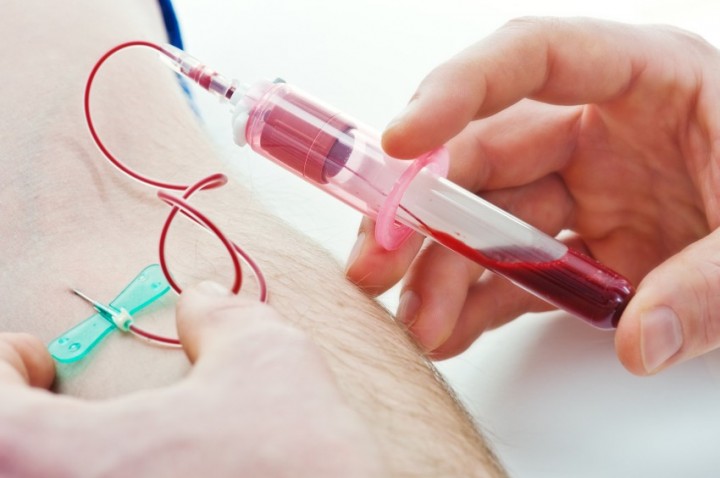
Phlebotomy involves drawing blood samples from patients for testing, transfusions, research, or donations. Certified phlebotomists are essential members of healthcare teams, working in hospitals, clinics, laboratories, blood banks, and outpatient care centers. As the healthcare industry continues to expand, so does the need for qualified professionals in this field.
According to the U.S. Bureau of Labor Statistics, employment of phlebotomists is projected to grow by 17% from 2020 to 2030, much faster than the average for all occupations. This growth signifies a robust job market for certified phlebotomists seeking lucrative and stable careers.
why Certification Matters in Phlebotomy
While entry-level positions may not always require certification, obtaining a recognized credential significantly enhances your job prospects, earning potential, and professional credibility. Certifications such as the Certified Phlebotomy Technician (CPT) or National Certified Phlebotomy Technician (NCPT) demonstrate your competency and commitment to the profession.
Employers prioritize certified candidates as certification ensures adherence to safety standards, proper techniques, and patient care best practices, all crucial in a medical setting.
Top Certified Phlebotomist Jobs and Their Salaries
Below is a curated list of some of the most lucrative and in-demand certified phlebotomist jobs. These roles offer competitive salaries, diverse work environments, and excellent career growth opportunities.
| Job Title | Average Salary (Annual) | Typical Work Habitat | Certifications preferred |
|---|---|---|---|
| Certified Phlebotomy Technician (CPT) | $36,000 – $42,000 | Hospitals, clinics, labs | ASCP, NHA |
| Mobile Phlebotomist | $38,000 - $45,000 | Home visits, community clinics | NHA, AMT |
| Lead Phlebotomist | $40,000 – $50,000 | Large hospitals, diagnostic centers | advanced certifications, experiance |
| Blood Collection Supervisor | $50,000 – $65,000 | blood banks, hospitals | LEAD, management training |
| Phlebotomy Trainer | $45,000 – $60,000 | Educational institutions, training centers | Teaching certification, experience |
Certification Pathways: How to Become a Certified Phlebotomist
Educational Requirements
Most certification programs require a high school diploma or GED.Some programs may include coursework in anatomy, physiology, and medical terminology.
Phlebotomy training Programs
Training programs typically last from a few weeks to several months and include both classroom instruction and hands-on practice. Key topics include venipuncture techniques, safety procedures, specimen handling, and patient communication.
certification Exams and Credentials
- Certified Phlebotomy Technician (CPT): Offered by organizations like the American Society for Clinical pathology (ASCP) and National Healthcareer Association (NHA).
- National Certified Phlebotomy Technician (NCPT): Administered by the NHA.
- State licensure: Some states require licensure; check local regulations.
Benefits of Being a Certified Phlebotomist
- Lucrative Salary Potential: With experience and advanced certifications,salaries can reach higher levels.
- job Security: Increasing healthcare demand ensures continued employment opportunities.
- Flexibility: Work in various environments including hospitals, labs, or mobile settings.
- Personal Fulfillment: Helping patients and contributing to critical diagnostic processes.
- Career Advancement: Opportunities to move into supervisory or specialized roles.
Practical Tips for Aspiring Certified Phlebotomists
- Choose Accreditation: Enroll in recognized training programs aligned with reputable certification bodies.
- Gain Hands-On Experience: Volunteer or work as an apprentice to bolster your skills.
- Prepare for certification Exams: Use study guides, practice tests, and review courses.
- Prioritize Patient Care: Develop excellent communication and bedside manner skills.
- Stay Updated: Keep current with industry standards,new techniques,and certification renewals.
Case Study: Success Story of a Certified Phlebotomist
Meet Lisa,a certified phlebotomist with five years of experience. Starting as a junior technician, she obtained her CPT certification through the NHA and specialized in mobile phlebotomy. Her dedication and advanced certification enabled her to become a Lead Phlebotomist earning $48,000 annually. Lisa’s career progression exemplifies how certification and experience open doors to lucrative job opportunities and leadership roles.
Conclusion
Embarking on a career in medical phlebotomy offers not only the chance to make a difference in patients’ lives but also to enjoy a lucrative, stable, and rewarding profession. By obtaining certification from reputable organizations and honing your skills, you can access top phlebotomist jobs with excellent salary prospects and growth potential. Whether you’re just starting or looking to advance, the world of certified phlebotomy is filled with opportunities waiting for you.Invest in your certification, gain practical experience, and take the first step toward a fulfilling career in healthcare today.