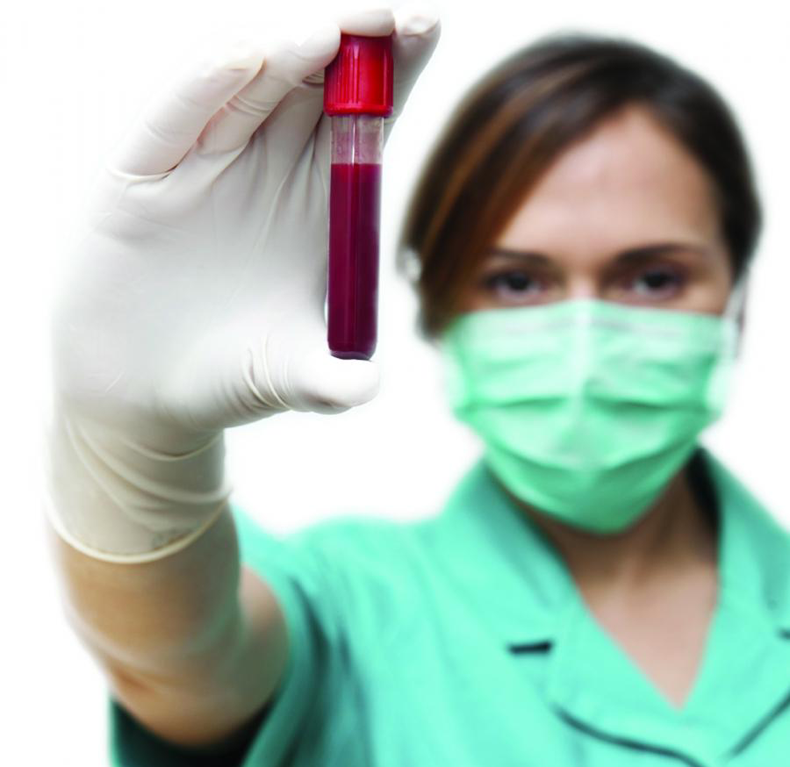
Mastering School Phlebotomy: Essential Skills adn Tips for Aspiring Medical Professionals
Embarking on a journey to become a skilled phlebotomist requires more than just classroom knowledge-it demands practical skills, attention to detail, and a compassionate approach to patient care.For aspiring medical professionals, mastering school phlebotomy is a crucial step toward a rewarding career in healthcare. This complete guide offers valuable insights into the essential skills, practical tips, benefits, and real-world experiences to help you excel in the art of blood collection.
Introduction to School Phlebotomy
School phlebotomy programs serve as foundational training for future healthcare providers, equipping students with the technical and interpersonal skills necessary for safe and efficient blood collection.Proficiency in phlebotomy opens doors to various roles within hospitals, clinics, diagnostic labs, and more. The key to success lies in understanding the core skills and practicing them diligently.
Key Skills for Mastering School Phlebotomy
1. Proper Patient Identification
The first step in any phlebotomy procedure is confirming the patient’s identity. Accurate identification minimizes error and ensures patient safety. Always double-check wristbands, ask for full name and birth date, and document properly.
2. Knowledge of Anatomy and Venipuncture Techniques
A solid understanding of venous anatomy is vital. Knowing common puncture sites like the median cubital vein,cephalic vein,and basilic vein allows for effective and safe blood draws. Mastering different venipuncture techniques-including butterfly and straight needle methods-is essential.
3. Proper Use of Equipment
Familiarity with phlebotomy equipment such as tourniquets,needles,vacutainer tubes,alcohol swabs,and gauze is crucial. Correct handling reduces discomfort and prevents contamination or accidental injury.
4. Maintaining Sterility and Safety protocols
Adhering to infection control standards protects both the patient and the technician. This includes wearing gloves, disposing of sharps correctly, and disinfecting work surfaces.
5. Effective patient Interaction and Care
Good communication eases patient anxiety and fosters cooperation.Explaining the procedure clearly, respecting patient comfort, and providing reassurance are meaningful interpersonal skills.
Practical Tips for Aspiring Phlebotomists
- Practice makes perfect: Regular hands-on practice builds confidence and precision in blood collection.
- Stay organized: prepare all equipment beforehand to streamline the procedure.
- Monitor patient reactions: Watch for signs of fainting or distress, and respond promptly.
- Follow hand hygiene protocols: Always wash hands thoroughly and use PPE appropriately.
- Seek feedback: Learning from instructors and experienced professionals improves technique and professionalism.
Benefits of Mastering School Phlebotomy
| Benefit | Explanation |
|---|---|
| Increased employability | Certified skills make you stand out in healthcare job markets. |
| Enhanced patient care | Confident and gentle blood draws improve patient experience. |
| foundation for advanced roles | Serves as a stepping stone for specialization in labs or diagnostic services. |
| Personal confidence | Developing expertise reduces anxiety and builds professional self-assurance. |
case Studies: Real-World Experiences in School Phlebotomy
Case Study 1: Overcoming Needle Phobia
A student initially hesitant about needles learned calming techniques and proper technique, leading to prosperous blood draws and increased confidence.This experience highlighted the importance of interpersonal skills in phlebotomy.
Case Study 2: managing Arduous Draws
In a clinical setting, a student encountered challenging veins. Thru practice and adapting techniques, they succeeded, demonstrating that perseverance and adaptability are crucial in mastering the skill.
First-Hand tips from Experienced Phlebotomists
- Take your time: Rushing can lead to mistakes. Patience results in better patient outcomes.
- Stay calm and confident: Your attitude influences patient comfort.
- Always double-check labels: Prevent errors through meticulous documentation.
Conclusion: Your Path to Mastering School Phlebotomy
Mastering school phlebotomy involves acquiring a blend of technical expertise, patient-centered communication, and safety consciousness. By honing these essential skills, adhering to practical tips, and learning from real-world experiences, aspiring medical professionals can excel in blood collection and lay a strong foundation for a successful healthcare career. Remember, consistent practice, professionalism, and empathy are the keys to becoming a confident and competent phlebotomist. Embrace the learning process, and you’ll be well on your way to mastering this vital medical skill.