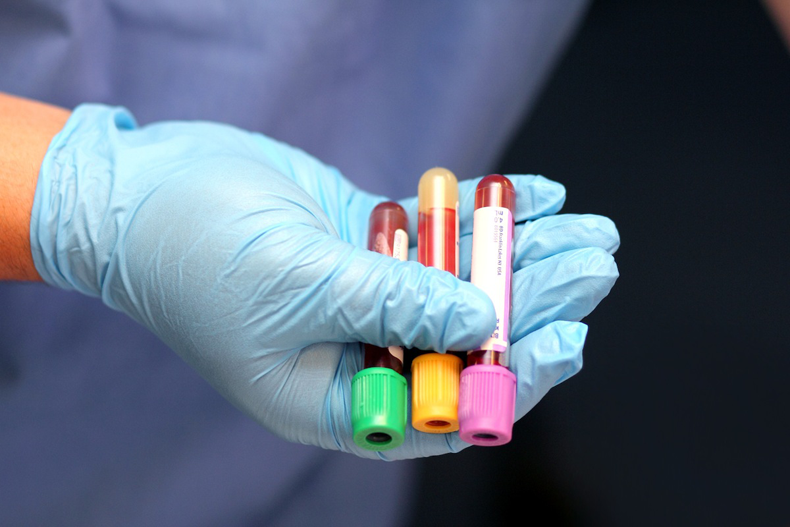
Unlocking Career Success: The Ultimate Guide to Becoming a Nationally Certified Phlebotomist
embarking on a career as a phlebotomist is an excellent choice for those interested in the healthcare field, especially if you enjoy working directly with patients and contributing to vital diagnostic processes. Achieving national certification is a crucial step in ensuring you stand out in the healthcare industry and open doors to rewarding employment opportunities.This comprehensive guide will walk you through the essential steps to becoming a **nationally certified phlebotomist**, highlighting the benefits, necessary requirements, practical tips, and real-world insights to help you succeed.
Introduction
Phlebotomy is a specialized healthcare profession focused on drawing blood for tests, transfusions, donations, or research. As demand for healthcare services increases,certified phlebotomists are in high demand across hospitals,clinics,laboratories,and blood banks. Securing certification not only enhances your credibility but also provides you with a competitive edge in the job market. Whether you’re just starting your healthcare journey or looking to advance your current career, becoming a **nationally certified phlebotomist** is a strategic move towards professional growth and success.
The Importance of Certification in Phlebotomy
While some states have their own certification requirements, earning a **nationally recognized phlebotomy certification** offers numerous advantages:
- Increased employability and job security
- Higher earning potential
- Greater trust from employers and patients
- Opportunities to work in diverse healthcare settings
- Professional recognition and credibility
Steps to Becoming a Certified Phlebotomist: Your Roadmap to Success
1. Meet Basic Educational and Age Requirements
Most certification programs require applicants to have at least a high school diploma or equivalent (GED). Additionally, prospective students should be at least 18 years old to participate in phlebotomy training and certification exams.
2. Enroll in a Comprehensive Phlebotomy Training Program
Choosing the right training program is vital. Look for accredited programs that include theoretical instruction and hands-on clinical practice. Key components should cover:
- Anatomy and physiology
- Specimen collection techniques
- Venipuncture procedures
- safety and infection control
- Patient communication skills
Training duration varies from a few weeks to several months depending on the program.
3. Gain Practical Experience
Most certification bodies require candidates to have completed a specified number of supervised venipunctures, typically between 40-100 successful procedures. Practical experience can be gained through clinical internships or externships included in your training program.
4. Prepare for the Certification Exam
Once your training and clinical hours are complete, prepare for the certification exam.Many organizations provide study guides, practice tests, and review courses. Focus on understanding key concepts and procedural skills to maximize your success.
5. Pass the Certification Examination
Successfully passing the exam administered by a recognized certifying institution is the final step. Some well-known organizations include:
- American Society for Clinical Pathology (ASCP) Board of Certification
- National healthcareer Association (NHA)
- National Phlebotomy Association (NPA)
- American Medical Technologists (AMT)
6. Maintain Certification and Continue Education
Most certifications require renewal every 2-3 years,which involves continuing education credits and possibly re-examination. Staying current with industry standards and advancements ensures you remain a competent and competitive professional.
Key Certification Organizations for Phlebotomists
| Organization | Certification Offered | Requirements |
|---|---|---|
| ASCP (American Society for Clinical Pathology) | Certified Phlebotomy Technician (PBT) | Training + Clinical Experience + Exam |
| NHA (National Healthcareer Association) | Certified Phlebotomy Technician (CPT) | Training + Clinical Experience + Exam |
| AMT (American Medical Technologists) | Registered Phlebotomy Technician (RPT) | Training + Clinical Experience + Exam |
Benefits of Becoming a Certified Phlebotomist
Beyond the immediate employment advantages, earning a national certification can considerably impact your professional growth:
- Higher Salary: Certified phlebotomists often earn more than non-certified counterparts.
- Job Versatility: Opportunities to work in various healthcare environments, including mobile clinics and research labs.
- Career Advancement: Certification paves the way for supervisory roles or specialization in areas like pediatric or forensic phlebotomy.
- Professional Recognition: Certification validates your skills and knowledge, earning respect among peers and employers.
Practical Tips for Aspiring Phlebotomists
- Choose an Accredited Program: Ensure your training program is accredited by organizations like CAHEA or NCCA.
- Gain Hands-On Experience: Prioritize programs that provide clinical practicums to build confidence and proficiency.
- Develop Soft Skills: Focus on excellent communication,empathy,and patient care to excel in your role.
- Prepare Thoroughly for Exams: Use practice exams and study guides to identify areas needing advancement.
- stay Informed: Keep up with latest industry standards, updates in safety procedures, and new technology advancements.
Real-Life Success Stories: Case Studies
Case Study 1: Maria’s journey to Certification and Career Growth
Maria, a 22-year-old graduate, enrolled in an accredited phlebotomy program, completed her clinical hours successfully, and obtained her certification through the NHA. Today, she works at a leading hospital, earning a competitive salary and considering specialization in pediatric venipuncture.
Case Study 2: john’s Certification Opens New Doors
After gaining certification from the ASCP, John secured a role in a diagnostic lab, which offered him opportunities for further education in medical laboratory science. Certification acted as a catalyst for his career advancement.
Conclusion
Becoming a **nationally certified phlebotomist** is a rewarding step toward a fulfilling healthcare career. By following established steps-meeting educational requirements,enrolling in quality training programs,gaining practical experience,passing certification exams,and maintaining your credentials-you can unlock abundant career opportunities.Certification not only boosts your credibility and earning potential but also allows you to make a tangible difference in patients’ lives. Start your journey today, and turn your passion for healthcare into a successful professional career!