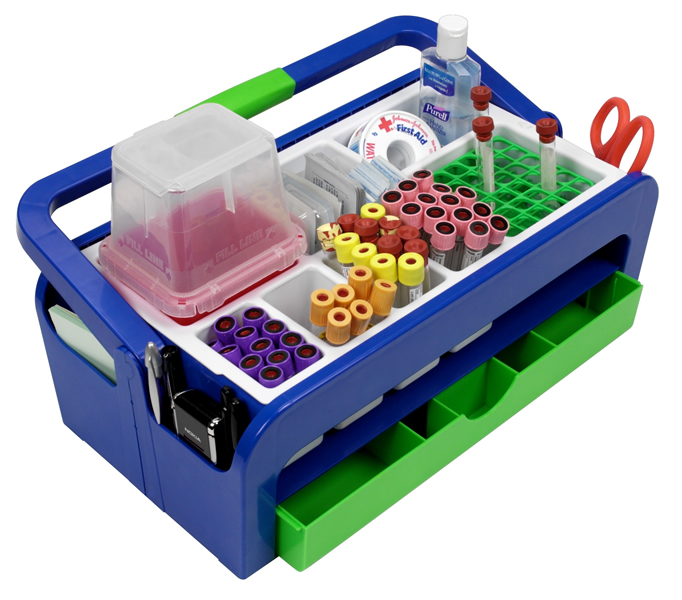
How to Launch a Triumphant Career: Top Tips for Entry-Level Phlebotomy Roles
Starting a career in phlebotomy can be an exciting and rewarding journey in the healthcare industry. As an entry-level phlebotomist, you’ll play a crucial role in patient care by collecting blood samples for testing, diagnosis, and treatment. If you’re wondering **how to launch a successful career in phlebotomy**, this comprehensive guide provides essential tips, practical advice, and insights to help you get started and thrive in this in-demand profession.
Introduction to a Phlebotomy Career
phlebotomy is a specialized field within healthcare that focuses on blood collection and specimen handling.with increasing demand for medical testing, outpatient clinics, hospitals, and laboratories seek skilled phlebotomists. To excel as an entry-level professional, you need proper training, certification, and a proactive approach to career growth.
Key Steps to Launch a Successful Entry-Level Phlebotomy Career
1. Obtain the Necessary Education and Certification
The foundation of a solid phlebotomy career begins with proper education and certification. Most employers prefer certified phlebotomists, which can be achieved through accredited training programs.
- Enroll in an accredited phlebotomy training program,typically lasting 4-12 weeks.
- Learn about anatomy, blood collection techniques, safety protocols, and infection control.
- Pass the certification exam offered by a reputable institution like the American Society for Clinical Pathology (ASCP), National Healthcareer Association (NHA), or American Medical Certification Association (AMCA).
2. Gain Practical Experience
Hands-on experience is vital for building confidence and skills. Many training programs include clinical externships, but you can also seek volunteer opportunities or internships to strengthen your resume.
- Consider volunteering at local clinics or blood drives.
- Seek entry-level positions that offer on-the-job training.
- Document your experience to showcase your competence.
3. Develop strong Interpersonal Skills
As a phlebotomist, you’ll interact with patients of all ages and backgrounds. Excellent communication, empathy, and professionalism are essential qualities.
- Practice active listening.
- Maintain a calm and friendly demeanor.
- Be attentive to patient comfort and concerns.
4. Prepare a Compelling Resume and Cover Letter
Your resume should highlight your certification, practical experience, and relevant soft skills. Tailor your cover letter to each job application, emphasizing your enthusiasm and readiness.
| Resume tips | Cover Letter Tips |
|---|---|
| Certifications & Training | Show enthusiasm for the role |
| Hands-on Experience | Highlight soft skills |
| Patient Interaction Skills | Customize for each employer |
Benefits of starting a Phlebotomy Career
Embarking on a phlebotomy career offers numerous advantages:
- High employment demand in healthcare settings
- Short certification programs leading to quick entry into the workforce
- Opportunities for advancement-specialization or further healthcare training
- Impactful work that contributes to patient health and diagnostics
Practical Tips for Success in Entry-Level Phlebotomy Roles
- Maintain Professionalism: Always adhere to health and safety protocols.
- Keep Learning: Stay updated on new techniques and regulations.
- Build Your Network: Connect with healthcare professionals and participate in industry seminars.
- Seek Feedback: Regularly ask supervisors for performance reviews and areas for enhancement.
Real-Life Case Studies: Pathways to Success
Case Study 1: From Certification to Career Advancement
Jane started as a certified phlebotomist right after completing her training program. Through dedication and excellent patient interaction,she was promoted to lead technician within two years. Jane also pursued additional certifications in pediatric phlebotomy, opening doors to specialized roles.
Case Study 2: Volunteering as a Stepping Stone
Mark gained experience by volunteering at local blood drives, which bolstered his resume. His proactive approach led to a part-time position at a hospital, providing further clinical exposure and increasing his confidence and skills.
First-Hand Experience: What to Expect
Many newcomers are curious about the day-to-day activities in entry-level phlebotomy jobs. Typically, you’ll:
- Help patients prepare for blood draws
- Verify patient identities
- Ensure proper sample labeling and handling
- Follow strict safety and disinfection protocols
While initially challenging, with practice, you’ll become proficient and comfortable in your role, setting the stage for a rewarding healthcare career.
Conclusion
Launching a successful entry-level phlebotomy career requires a combination of proper education, certification, practical experience, and soft skills development. By taking proactive steps-such as obtaining relevant training, gaining hands-on experience, and honing your interpersonal skills-you can establish a strong foundation for growth in this vital healthcare role. Remember, patience, dedication, and a passion for helping others are key ingredients for success in the dynamic and rewarding field of phlebotomy.
Ready to Start Your Phlebotomy Journey?
Explore accredited training programs and certification options today. Your healthcare career begins with a single step-take it now!