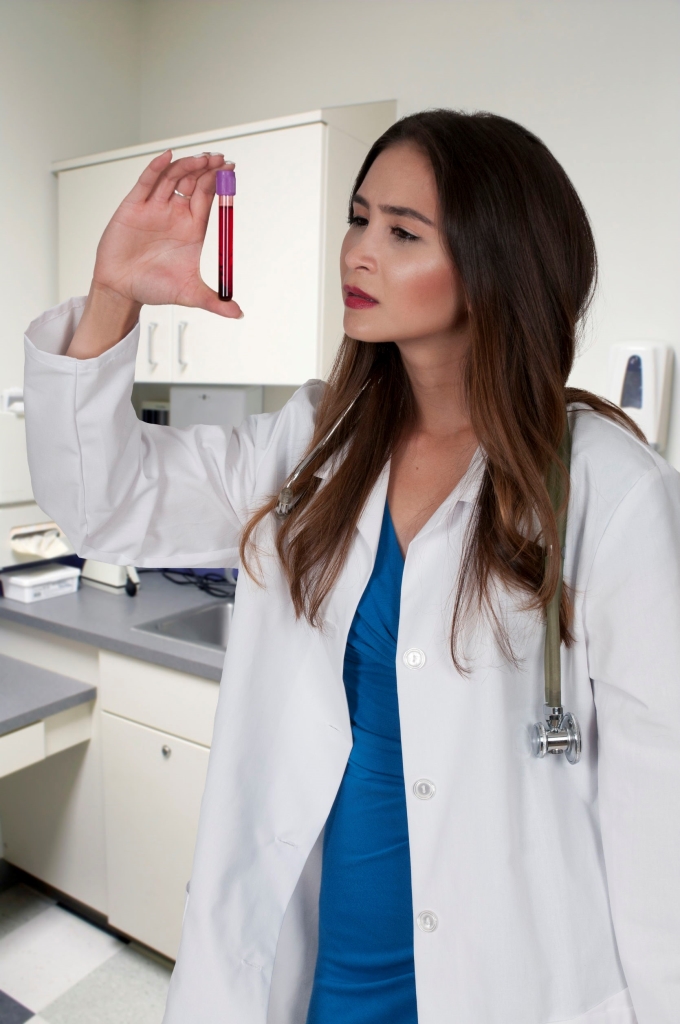
What Are Phlebotomists? A Complete Guide to the Medical Blood Draw Specialists
In the realm of healthcare, many vital roles work behind the scenes to ensure patients receive accurate diagnoses and effective treatment. Among these key professionals are phlebotomists, the specialized medical professionals responsible for drawing blood. If you’re curious about this crucial occupation, this complete guide will walk you through everything you need to know about what phlebotomists do, their training requirements, benefits, and how they play a crucial role in medical testing and patient care.
Introduction to phlebotomists
Phlebotomists are healthcare practitioners who focus on collecting blood samples from patients for laboratory testing, transfusions, research, or donation. Their expertise ensures that blood is drawn safely,comfortably,and efficiently,minimizing patient discomfort and reducing errors in sample collection. While they are often associated with hospitals and clinics, phlebotomists work in various healthcare settings including blood donation centers, diagnostic laboratories, and outpatient clinics.
What Do Phlebotomists Do?
Core Responsibilities of a Phlebotomist
- Blood collection: Drawing blood from patients using venipuncture or capillary puncture techniques.
- Patient assessment: Identifying patients correctly,explaining procedures clearly,and ensuring patient comfort and safety.
- Labeling and handling samples: Properly labeling blood samples and ensuring they are transported securely to laboratories.
- Maintaining equipment: Preparing needles, test tubes, and other tools, and ensuring sterile procedures.
- Record keeping: Documenting samples, patient details, and procedures accurately.
- Adhering to safety protocols: Following infection control standards and safety procedures to prevent contamination or injury.
Special Skills and Qualities of Successful Phlebotomists
- Good interpersonal and interaction skills
- Steady hands and good dexterity
- Attention to detail and accuracy
- Cozy working with diverse patient populations
- Knowledge of anatomy and blood collection techniques
- Professionalism and compassion
The Training and Certification Process
Educational Requirements
Most aspiring phlebotomists need at least a high school diploma or GED. However, formal training programs are highly recommended and often required to ensure competence and safety.
Phlebotomy Training Programs
- Complete an accredited phlebotomy course, which includes classroom instruction and practical hands-on experience.
- Courses cover anatomy,blood collection techniques,safety protocols,and laboratory procedures.
- Duration varies from a few weeks to several months, depending on program intensity.
Certification Options
While certification is not always mandatory,obtaining it can improve job prospects and credibility. Leading certifying organizations include:
| Certification Body | certification Name | Requirements |
|---|---|---|
| American Society for Clinical Pathology (ASCP) | Certified Phlebotomy Technician (CPT) | Successful completion of training and passing a certification exam |
| National Healthcareer Association (NHA) | Certified Phlebotomy Technician (CPT) | Training hours and exam |
| American Medical Technologists (AMT) | Registered Phlebotomy Technician (RPT) | Training and certification exam |
Skills and Licenses Required to Become a Phlebotomist
- Strong interpersonal skills to comfort anxious patients
- Manual dexterity and fine motor skills
- Attention to detail for proper labeling and documentation
- Knowledge of safety protocols and infection control
- Ability to work under pressure in busy environments
benefits of Becoming a Phlebotomist
Choosing a career as a phlebotomist offers multiple advantages, including:
- Rapid entry into the healthcare field: Short training programs enable fast qualification.
- High demand: Growing need in hospitals, clinics, and laboratories ensures job stability.
- Good salary potential: Competitive pay with benefits, especially with experience and certifications.
- Possibility of career advancement: Opportunities to specialize or further education in healthcare.
Practical Tips for Aspiring Phlebotomists
- Complete an accredited training program to gain foundational skills.
- Gain hands-on experience through internships or practicums.
- Obtain certification to stand out in the job market.
- Develop excellent communication skills to ease patient anxiety.
- Stay updated on best practices and safety standards in phlebotomy.
Case Study: A Day in the Life of a Phlebotomist
Maria,a certified phlebotomist working in a busy hospital,starts her day with patient assessments,preparing her equipment and reviewing her schedule. she encounters a variety of patients-ranging from children to elderly individuals-each with unique needs. Maria carefully explains procedures, draws blood using gentle and accurate techniques, and handles samples with meticulous care. Throughout her shift, she collaborates with nurses and lab technicians to ensure timely processing of samples and maintains strict safety protocols. Her work is vital in helping doctors diagnose and treat patients efficiently.
Common Challenges Faced by Phlebotomists
- Dealing with difficult or anxious patients
- Managing tight schedules and high workload
- Handling difficult blood draws, especially in patients with hard-to-find veins
- Maintaining safety and infection control standards
Conclusion
Phlebotomists are the unsung heroes of the medical laboratory and healthcare field. their specialized skills in blood collection support accurate diagnostics, effective treatments, and critical research. If you’re interested in a healthcare career that offers meaningful impact, relatively quick entry, and growth opportunities, becoming a professional phlebotomist might be the right choice. With proper training, certification, and dedication, you can contribute significantly to patient health and the overall functioning of medical systems around the world.
Meta Information