What Is a Phlebotomist? Essential Skills and Roles in Blood Collection
In the vast and vital world of healthcare, many professionals work behind the scenes or on the front lines to ensure patient well-being and accurate diagnosis. One such essential healthcare role is that of a phlebotomist. If you’ve ever had blood drawn at a clinic or hospital, you’ve likely interacted with a phlebotomist. But what exactly is a phlebotomist, and what are their primary responsibilities? In this comprehensive guide, we’ll explore what a phlebotomist does, the key skills required, and why this profession plays a crucial role in medical diagnostics and patient care.
What Is a Phlebotomist?
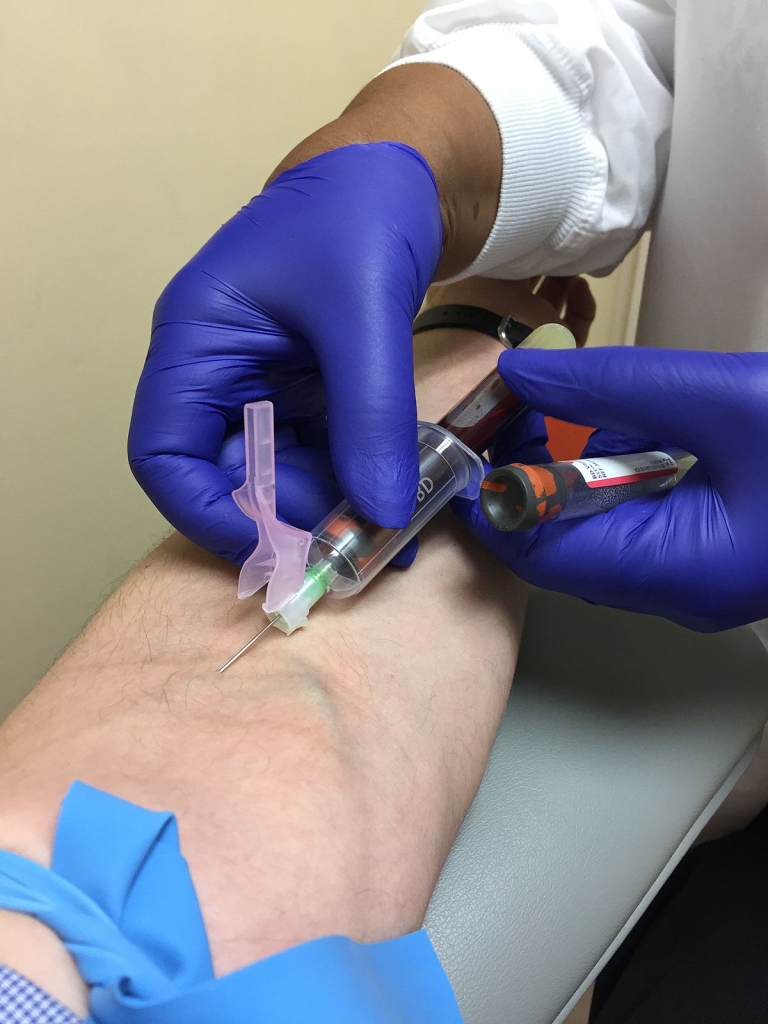
A phlebotomist is a trained healthcare professional specialized in drawing blood from patients for medical testing, blood donations, transfusions, or research purposes. The word “phlebotomy” itself refers to the process of incision into a vein to collect blood, and a phlebotomist is the expert who performs this procedure with precision and care.
While often associated with hospitals, clinics, and laboratories, phlebotomists can also work in blood banks, donation centers, and even in research environments. Their primary goal is to collect blood safely, efficiently, and comfortably while maintaining patient dignity and safety at all times.
The Role of a Phlebotomist in the Healthcare System
Phlebotomists serve as a critical link in diagnostic processes, ensuring that quality blood samples reach laboratories for testing.Accurate blood collection directly influences the accuracy of test results, affecting diagnoses, treatment plans, and patient outcomes.
| Component | Importance |
|---|---|
| Blood Sample Collection | Ensures accurate diagnosis and effective treatment. |
| Patient Care | Provides comfort and reduces distress during blood draws. |
| Laboratory Accuracy | prevents sample contamination or errors. |
Essential Skills and Qualifications for a Phlebotomist
Becoming an effective phlebotomist requires a combination of technical skills, interpersonal abilities, and appropriate qualifications. Here are some essential skills and qualifications needed in this healthcare profession:
Technical Skills
- Venipuncture Technique: Proficiency in inserting needles into veins for blood collection.
- Proper Sample Handling: ensuring blood samples are labeled,stored,and transported correctly.
- Knowledge of Anatomy: Understanding of vein locations and anatomy to minimize discomfort.
- Equipment Operation: Familiarity with needles, tourniquets, collection tubes, and safety devices.
Interpersonal Skills
- Interaction: Clearly explaining procedures to patients to alleviate anxiety.
- Compassion and Patience: Handling fearful or anxious patients with care.
- Attention to Detail: Accurate labeling and documentation of samples.
- Adaptability: Managing various patient needs and challenging situations.
educational and certification Requirements
To become a licensed or certified phlebotomist, most states and employers require:
- Completion of a phlebotomy training program (often available through community colleges or vocational schools).
- Certification from reputable organizations such as the American Society for Clinical Pathology (ASCP) or national Phlebotomy Association (NPA).
- Basic life support (BLS) certification to handle emergencies.
Daily Responsibilities of a Phlebotomist
Typical Tasks Include:
- Preparing patients and explaining the blood draw procedure.
- Identifying patients correctly using ID bracelets or documents.
- applying tourniquets and inserting needles for venipuncture or capillary blood draws.
- Collecting, labeling, and transporting blood samples to laboratories.
- Maintaining a clean and sterile work environment.
- Monitoring patients for adverse reactions during or after blood draw.
- Documenting all procedures accurately in patient records.
Benefits of Being a Phlebotomist
Working as a phlebotomist offers numerous advantages, including:
- High Demand: The increasing need for blood tests and donations ensures job stability.
- Quick certification Process: Many training programs can be completed in less than a year.
- Rewarding Work: Contributing directly to patient health and medical diagnosis.
- Opportunities for Advancement: Roles such as senior phlebotomist, supervisor, or laboratory technician.
Practical Tips for Aspiring Phlebotomists
1.Pursue Accredited Training Programs
Choose reputable schools offering certified courses to pass certification exams easily.
2. Develop Strong Interpersonal Skills
Build empathy and communication skills to improve patient experiences and cooperation.
3. Practice Proper Safety Protocols
Prioritize safety by following infection control procedures and using personal protective equipment (PPE).
Case Study: A Day in the Life of a Phlebotomist
Meet Sarah: A Professional Phlebotomist
Sarah works at a busy outpatient clinic. Her day begins with preparing supplies and reviewing patient charts. She greets her patients with a warm smile, explains the procedure, and ensures comfort throughout the blood collection process. Sarah encounters a nervous patient and uses calming techniques to alleviate anxiety. She carefully labels samples, communicates with the laboratory, and keeps her work area organized. Her attention to detail ensures accurate test results, and her compassionate approach makes patients feel cared for. Sarah’s role exemplifies how a skilled phlebotomist contributes substantially to healthcare.
Conclusion
a phlebotomist is a vital healthcare professional responsible for the safe and efficient collection of blood samples. This role demands technical expertise, excellent interpersonal skills, and a compassionate approach to patient care.As the healthcare industry continues to evolve, the demand for qualified phlebotomists remains strong, making it a promising career choice for individuals interested in contributing to medical diagnostics and patient health. Weather you’re starting your healthcare journey or seeking a rewarding profession with quick certification, becoming a skilled phlebotomist can open doors to meaningful work and professional growth.