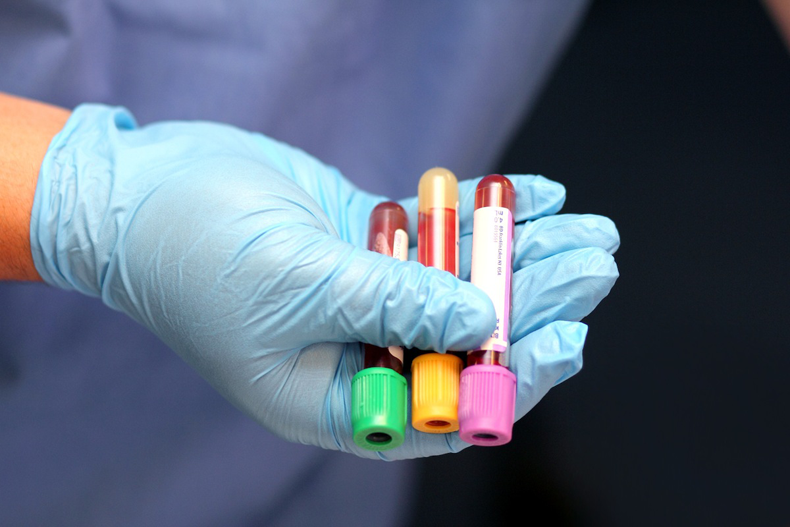
Master the Art of Blood Draws: Essential Training tips for Healthcare Professionals
Blood drawing, also known as phlebotomy, is a basic skill for healthcare professionals, whether you are a nurse, lab technician, or a medical assistant. Proper technique not only guarantees accurate lab results but also enhances patient comfort and safety. this thorough guide will walk you through essential training tips, best practices, and real-world insights to help you become proficient at blood draws and elevate your clinical skills.
Introduction
Performing accomplished blood draws is more than just a procedural task-it’s an art that combines accuracy, safety, and compassionate patient care. As a healthcare professional, mastering this skill is crucial for diagnosis, monitoring treatments, and improving patient outcomes. With proper training, practice, and adherence to safety protocols, you can minimize complications and ensure a smooth experience for both yourself and your patients.
why Mastering Blood Draws Is Essential
- Accurate Diagnosis: Reliable blood samples lead to precise lab results, essential for correct diagnosis and treatment planning.
- Patient Safety and Comfort: Skilled technique reduces discomfort and prevents venipuncture complications such as hematomas or infections.
- Professional Competence: Confidence and proficiency in blood draws enhance your overall clinical skills and reputation.
- Legal and Ethical Practice: Proper technique adheres to healthcare standards, minimizing legal risks.
Practical Tips for Successful Blood Collection
1. Preparation is Key
- Gather Supplies: Ensure all necessary equipment such as needles, collection tubes, alcohol swabs, tourniquet, gloves, and labels are ready.
- Identify the Patient: Confirm patient identity and explain the procedure to reduce anxiety.
- Check for Contraindications: Be aware of allergies,bleeding disorders,or medical conditions that may affect blood draws.
2. Choose the Right Site
Selecting an appropriate venipuncture site enhances success and minimizes discomfort.
| Venipuncture Site | Advantages | Considerations |
|---|---|---|
| Cubital Fossa (inner elbow) | Most accessible, largest veins | Avoid arm with IV, scarring, or injury |
| Dorsal Hand Veins | Alternative when arm veins are unusable | More delicate, increased discomfort |
| Forearm Veins | Good for multiple samples | less prominent veins, patient condition-dependent |
3. Proper Technique and Handling
- Tourniquet Request: Apply 3-4 inches above the site, enough to engorge veins but not too tight.
- Needle Insertion: Insert at a 15-30 degree angle, smoothly and quickly.
- Blood collection: Use gentle,steady pressure to fill tubes,avoid excessive suction which can collapse veins.
- Needle Withdrawal: Remove swiftly, apply pressure instantly, and secure with a suitable dressing.
4. handling and labeling Samples
- Immediate Processing: mix tubes as needed to preserve sample integrity.
- Label Correctly: Confirm patient info,date,and time to prevent lab errors.
- Transport Properly: Follow protocols for temperature and handling.
Benefits of Proper Blood Draw Technique and Training
- Enhanced Accuracy: Correct technique reduces hemolysis and contamination.
- Increased Patient Satisfaction: Comfort and confidence improve patient experience.
- Reduced Complications: Minimize hematomas, nerve injuries, and infections.
- Builds Confidence: Regular practice solidifies skills and professional growth.
Additional Practical Tips for Healthcare Professionals
- stay Calm and Patient: A calm demeanor reassures anxious patients.
- Use Proper Personal Protective equipment (PPE): Gloves, masks, and hand hygiene prevent infection.
- Practice Regularly: Use simulation tools or practice on phlebotomy dummies to develop confidence.
- Record and Reflect: Keep logs of procedures to track enhancement and identify areas for progress.
Real-World Case Studies
Case Study 1: Overcoming Difficult venous Access
A nurse faced a patient with fragile, hard-to-find veins. Using a warm compress to dilate veins and employing a butterfly needle improved success. Practice and patience proved essential.
Case Study 2: Minimizing Patient Discomfort
In a busy clinic, training staff on proper tourniquet application and gentle needle insertion reduced patient complaints and hematomas, emphasizing the importance of technique.
First-Hand Experience: Lessons Learned in Practice
Many healthcare professionals find that initial experiences can be intimidating. However, consistent practice, seeking feedback, and learning from mistakes build proficiency and confidence over time. Remember, every blood draw is an chance to refine your skills and provide better patient care.
Conclusion
Mastering the art of blood draws is an essential competency for healthcare professionals aiming to deliver precise diagnostics and compassionate patient care.By following best practices,consistently practicing,and staying informed on the latest techniques,you can become proficient in phlebotomy. Remember, patience and attention to detail make all the difference-your skills directly impact patient outcomes and your professional growth.