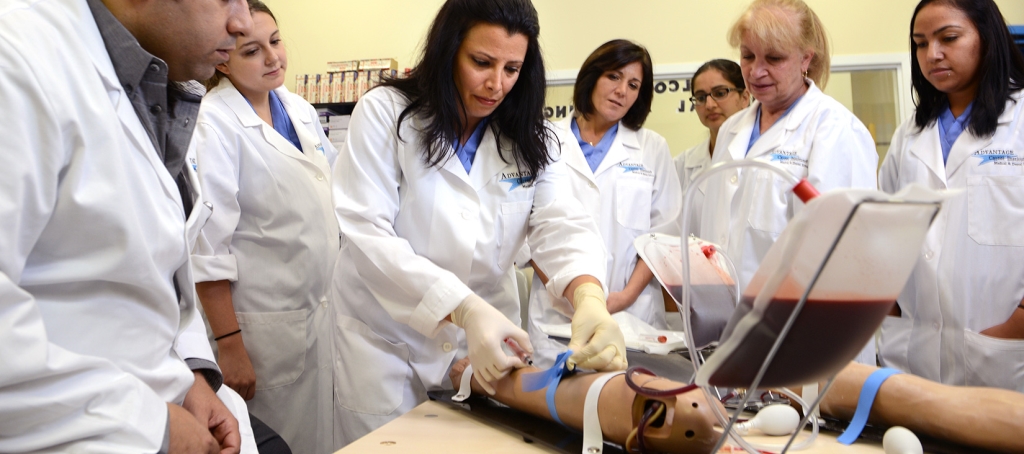
Understanding Phlebotomist Duties: Essential Skills and Responsibilities Explained
In the healthcare landscape, phlebotomists play a crucial role in patient diagnosis and treatment. These skilled professionals are responsible for collecting blood samples, which are essential for laboratory testing. Whether you’re considering a career in phlebotomy or just curious about the profession, this comprehensive guide will explain the core duties, necessary skills, and responsibilities of a phlebotomist. Discover how they contribute to healthcare, the benefits of working in this field, and practical tips for success.
Introduction to the Phlebotomist Role
Phlebotomists are trained healthcare professionals focused on the collection of blood specimens from patients. These professionals work in hospitals, clinics, laboratories, and even blood donation centers. Their work is vital as accurate blood collection and handling directly impact lab test results, diagnoses, and patient care. Understanding the duties and responsibilities of a phlebotomist helps highlight the importance of precision,empathy,and technical skills in this profession.
Core Duties and Responsibilities of a Phlebotomist
Primary Responsibilities
- Preparing patients for blood collection by explaining procedures and addressing concerns.
- Confirming patient identity to prevent sampling errors.
- Selecting appropriate collection equipment and supplies.
- Performing venipuncture and capillary puncture techniques safely and efficiently.
- Labeling blood samples accurately to ensure proper identification.
- Ensuring proper storage and transportation of specimens to laboratories.
- Maintaining cleanliness and sterilization of equipment and work areas.
- Documenting test requests and patient details meticulously.
- Adhering to safety protocols to prevent infection and injury.
Additional Responsibilities
- Assisting with inventory management of supplies and equipment.
- Providing excellent patient care and emotional support, especially with anxious or nervous patients.
- Reporting any complications or adverse reactions during blood collection.
- participating in ongoing training and certification updates.
Essential Skills for Phlebotomists
Being a prosperous phlebotomist requires a combination of technical skills, interpersonal skills, and attention to detail. Here are some of the most critical skills needed:
Technical Skills
- Venipuncture expertise: proficiency in drawing blood using various techniques.
- Knowledge of safety and infection control practices.
- understanding of blood sample handling and processing procedures.
- instrument sterilization and equipment maintenance skills.
Interpersonal skills
- Strong communication skills to explain procedures and ease patient anxiety.
- Empathy and patience, especially when dealing with difficult or frightened patients.
- Good listening skills to accurately read patient cues and concerns.
Attention to Detail
- Accurate labeling and documentation of samples.
- Monitoring patient reactions and identifying potential complications.
- Adherence to protocols and safety procedures to ensure specimen integrity.
practical Tips for Aspiring Phlebotomists
- Obtain certified training from an accredited program to build foundational knowledge.
- Practice venipuncture techniques under supervision to gain confidence.
- Develop strong communication and patient rapport skills.
- Stay updated on the latest safety and infection control standards.
- Always double-check patient and specimen labels to prevent errors.
- Be prepared to handle emergencies or adverse reactions calmly and efficiently.
- Maintain a professional attitude and focus on patient comfort at all times.
Case Studies: Real-World Experiences of Phlebotomists
| Case Study | Challenge | Outcome |
|---|---|---|
| Handling Difficult Patients | A patient fainted during blood draw due to fear of needles. | The phlebotomist used calming techniques, provided support, and successfully completed the procedure. |
| Sample Mix-up Prevention | Risk of specimen mislabeling in a busy hospital setting. | Implementation of strict labeling protocols prevented errors,ensuring accurate lab results. |
| Emergency Response | A patient had an allergic reaction during blood draw. | Quick response and standardized procedures ensured patient safety and post-care management. |
Benefits of a Career as a Phlebotomist
Choosing a career as a phlebotomist offers numerous advantages, including:
- Growing job demand in healthcare facilities.
- Entry point into the medical field with relatively short training programs.
- Opportunity to develop valuable healthcare skills and knowledge.
- Flexible work schedules and settings, including hospitals, labs, and clinics.
- Potential for career advancement into roles such as laboratory technician or healthcare supervisor.
First-Hand Experiance of a Phlebotomist
“During my first week as a phlebotomist, I learned the importance of patience and precision. One patient was extremely anxious, but by explaining the process clearly and offering a comforting presence, I was able to ease their fears. Over time, I developed confidence in my technical skills and learned how to handle unexpected situations calmly. It’s a rewarding profession that combines technical expertise with compassionate care.”
Conclusion
Understanding the duties, skills, and responsibilities of a phlebotomist highlights the vital role they play in healthcare. From drawing blood with accuracy and care to maintaining safety protocols, phlebotomists are essential in ensuring accurate laboratory testing and patient safety. With the right training and a compassionate approach, a career in phlebotomy can be both rewarding and fulfilling. Whether you’re starting your journey or seeking to refine your skills, knowing what a phlebotomist does helps you appreciate this vital healthcare profession even more.