Ultimate Guide to Becoming a Phlebotomy Training Specialist: Skills, Certification Tips & Career Insights
Are you interested in a dynamic healthcare role that combines patient interaction, technical skills, and a vital contribution to medical diagnostics? Becoming a phlebotomy training specialist is an excellent career choice for those passionate about healthcare, education, and helping others. This comprehensive guide will explore the essential skills, certification tips, career opportunities, and practical advice needed to excel as a phlebotomy training specialist.
Introduction
In the evolving landscape of healthcare,phlebotomy remains an essential component of patient care. A phlebotomy training specialist plays a critical role in educating aspiring phlebotomists, ensuring they are well-equipped with the practical skills and knowledge necessary for safe and efficient blood collection. Whether you’re a seasoned healthcare professional aiming to transition into education or someone passionate about training others, this guide will help you understand the pathway to becoming an expert in this field.
What is a Phlebotomy Training Specialist?
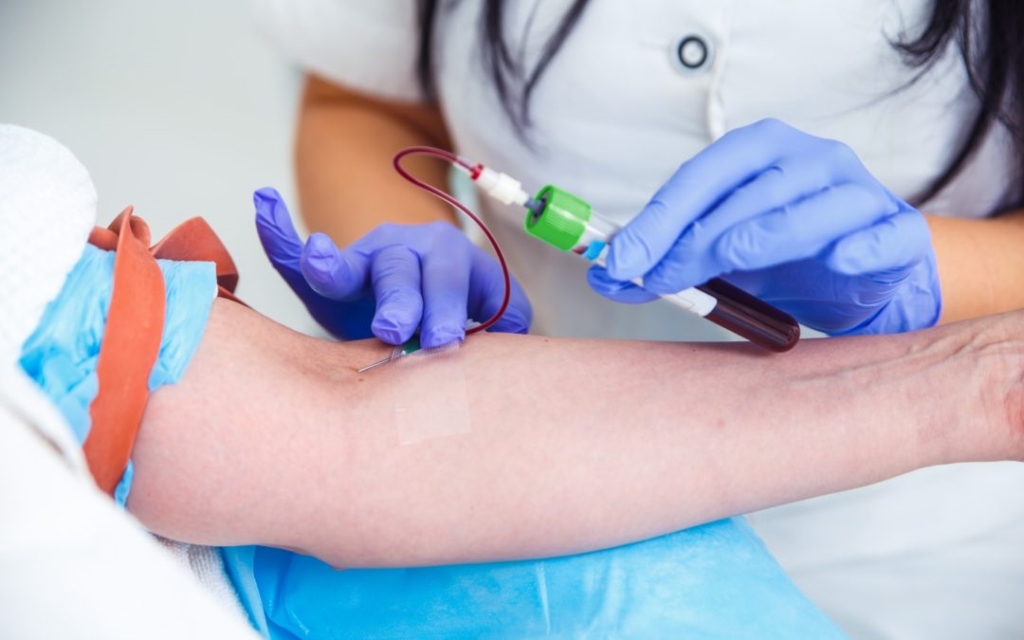
A phlebotomy training specialist is a healthcare educator who develops, delivers, and supervises training programs for upcoming phlebotomists. They possess deep knowledge of venipuncture techniques, safety protocols, and patient interaction.Their responsibilities include teaching blood collection procedures, monitoring trainees’ progress, ensuring compliance with healthcare regulations, and constantly updating training curricula based on industry standards.
Skills Required to Become a Phlebotomy Training Specialist
To excel as a phlebotomy training specialist, certain technical and interpersonal skills are essential. Here are key skills you should develop:
- Strong knowledge of blood collection techniques: Mastery of venipuncture, capillary draws, and safety measures.
- Excellent interaction skills: Ability to explain complex procedures clearly and compassionately.
- Educational aptitude: Experience or talent in designing engaging training sessions and curriculum progress.
- Patience and empathy: Supporting students through hands-on practice and addressing concerns.
- Attention to detail: Ensuring adherence to safety protocols and regulatory requirements.
- Leadership qualities: supervising trainees and providing constructive feedback.
- Adaptability: Updating training materials based on new guidelines and technologies.
Certification Tips & Requirements for Aspiring Phlebotomy Training Specialists
While becoming a certified phlebotomist is a prerequisite, advancing to a training specialist role requires additional expertise. Here are certification tips to elevate your credentials:
1. Obtain Certified Phlebotomy Technician (CPT) Certification
This foundational certification demonstrates your proficiency in blood collection techniques.Popular certifying bodies include the American Society for Clinical Pathology (ASCP) and the National Healthcareer Association (NHA).
2. Gain Practical Experience in Phlebotomy
- Work as a licensed phlebotomist in healthcare settings such as hospitals, clinics, or diagnostic labs.
- Accumulate hands-on experience performing diverse blood draws and handling patient interactions.
3. Pursue Advanced Certifications in Healthcare Education
Look for certifications or courses in healthcare training or adult education to bolster your teaching skills.
4. Develop Teaching Skills & Curriculum Development Expertise
- Participate in training workshops on adult education methodologies.
- Observe experienced trainers and seek mentorship opportunities.
5. Keep Up-to-Date with Industry Standards & Regulations
Attend workshops and review updates from organizations like CLSI, OSHA, and CDC to ensure your training content remains current and compliant.
Practical Tips to Kickstart Your Career as a Phlebotomy Training Specialist
- Build a diverse portfolio: Document your training experiences and successful student outcomes.
- Network within healthcare communities: Connect with industry professionals via conferences and online forums.
- Seek mentorship: Find experienced trainers who can guide you in developing effective teaching strategies.
- Develop engaging training materials: Incorporate multimedia, hands-on practice, and assessments to enhance learning.
- Obtain relevant certifications: Consider becoming a Certified Cardiovascular Technician or an instructor certified by recognized bodies.
Benefits of a Career as a Phlebotomy Training Specialist
- High demand: Increasing need for trained phlebotomy professionals ensures job security.
- Impactful work: Educate future healthcare providers and improve patient care quality.
- Flexible working options: Opportunities to work in hospitals, colleges, or as independent trainers.
- Continuous learning: Keep expanding your expertise into related healthcare education fields.
- Professional fulfillment: Play a crucial part in healthcare diagnostics and patient safety.
Case Study: From Phlebotomist to Training Expert
Jane Smith, a certified phlebotomist with five years of bedside experience, decided to transition into training. She took advanced adult education courses, obtained a teaching certification, and started volunteering to train new hires in her hospital.Over time, Jane developed a comprehensive curriculum and became a lead instructor.Today, she trains aspiring phlebotomists nationwide through an accredited training institute, illustrating how hands-on experience and continual learning can lead to a fulfilling career in healthcare education.
Practical Tips for Aspiring Phlebotomy Training Specialists
- Stay current with new blood collection devices and safety procedures.
- Utilize simulation-based training tools for student practice.
- Gather feedback from trainees to refine your teaching methods.
- Join professional organizations like the American Society of Phlebotomy Technicians (ASPT).
- Prioritize patient safety and ethical standards in all training activities.
Conclusion
Becoming a phlebotomy training specialist is a rewarding career that combines healthcare expertise with educational excellence. By developing key skills, obtaining the right certifications, and gaining practical experience, you can position yourself as a leader in healthcare training and education. Whether your goal is to enhance blood collection standards or to inspire the next generation of medical professionals, this career path offers stability, growth, and profound professional satisfaction. Start your journey today by investing in your skills, certifications, and passion for teaching-your future as a phlebotomy training specialist awaits!
Certification Pathway Overview
| Step | Certification/Experience | Key Focus |
|---|---|---|
| 1 | Certified Phlebotomy Technician (CPT) | Blood collection proficiency |
| 2 | Work Experience in Healthcare | Hands-on skills & patient care |
| 3 | Training Certification | Educational skills & curriculum design |
| 4 | Specialized Instructors Certification | Teaching & mentorship |
Ready to Launch Your Career as a Phlebotomy Training Specialist?
If you’re passionate about healthcare and education, now is the perfect time to pursue your goal of becoming a phlebotomy training specialist. Start by obtaining your initial certification, seek practical experience, and continue expanding your teaching capabilities. With dedication and continuous learning, you can make a lasting impact in the healthcare industry and enjoy a fulfilling and in-demand career.