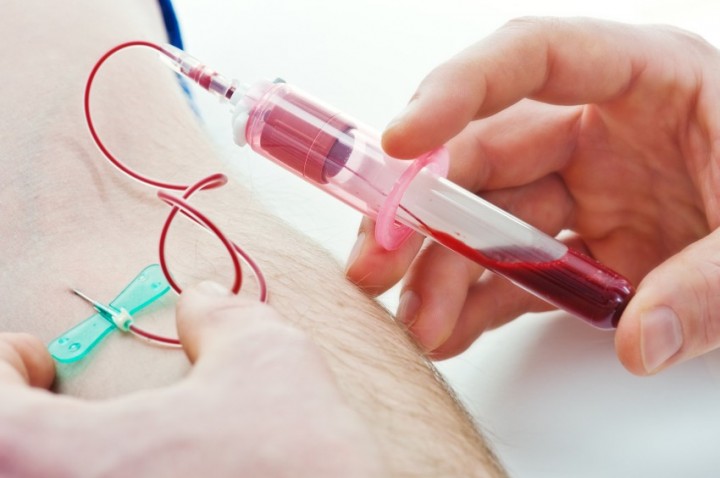
Essential Phlebotomy Tips: Your Ultimate Guide to Blood collection Success
Embarking on a career or practice in phlebotomy requires more than just knowing how to draw blood. It demands precision, patience, and a thorough understanding of the blood collection process to ensure patient safety and the accuracy of test results. Whether you’re a novice or a seasoned professional, mastering essential phlebotomy tips can make all the difference in delivering high-quality healthcare services. In this complete guide, we will walk you through tried-and-true techniques, practical advice, and insights to help you achieve blood collection success.
Understanding the Basics of Phlebotomy
Phlebotomy is the practice of drawing blood for laboratory testing, transfusions, research, or donation. It involves locating the appropriate vein, preparing the patient, and performing the blood collection with care to avoid complications.
Key components of triumphant blood collection include:
- Proper patient identification
- Correct equipment usage
- Aseptic technique
- Accurate insertion and withdrawal of the needle
Benefits of Following Proper Phlebotomy Techniques
- Ensures Patient Safety: Minimizes discomfort and prevents complications like hematomas.
- Guarantees Test Accuracy: Proper collection prevents sample contamination or hemolysis.
- Enhances Efficiency: reduces the need for repeat sticks, saving time and resources.
- Builds Patient Trust: Demonstrates professionalism and care, improving patient experience.
Practical phlebotomy Tips for Blood Collection Success
Pre-Procedure Planning
- Verify Patient Identity: Use two identifiers (name and date of birth) to confirm the patient’s identity.
- Gather all Necessary Equipment: Tourniquet, alcohol swabs, needles, collection tubes, gloves, and labelings.
- Explain the Procedure: Comfort the patient by explaining each step to ease anxiety.
- Ensure Proper Hand hygiene: Wash hands thoroughly and wear gloves to maintain asepsis.
Choosing the Right Vein
- Preferred Veins: Median cubital vein, cephalic vein, basilic vein.
- Visualization: Palpate the area to identify a prominent, sizeable vein with a straight pathway.
- Avoid: Veins that are hard to access, scarred, or close to arteries.
Blood Collection Technique
- Apply Tourniquet: About 3-4 inches above the venipuncture site; do not leave on for more than 1 minute.
- Insert the Needle: At a 15-30 degree angle,bevel facing up.
- Fill collection Tubes: Invert tubes gently if required and fill appropriately.
- Release Tourniquet: As soon as blood flow is established, release the tourniquet to prevent hemoconcentration.
- Withdraw the Needle Carefully: Engage steady pressure on the site after removal.
Post-Collection Care
- Apply Pressure: Hold an alcohol swab or gauze on the puncture site until bleeding stops.
- Label Tubes Properly: Immediately after collection, label samples with patient details, date, and time.
- Check for Hematoma: Monitor the puncture site for swelling or discoloration.
- Document the procedure: Record time, site, and any complications in the patient’s chart.
Common Mistakes to Avoid During Blood Collection
- Not Verifying Patient Identity: Always double-check to prevent sample mix-ups.
- Using the Wrong Equipment: Confirm the correct needle gauge and collection tubes for the test.
- Inadequate Tourniquet Request: Overly tight or loose application can cause pain or sample issues.
- Poor Site Preparation: Improper skin disinfection increases infection risk.
- Neglecting Post-Procedure Care: Failing to apply pressure can lead to hematoma formation.
Case Studies: Lessons Learned from Real-Life Phlebotomy Practice
| Case | Issue | Lesson |
|---|---|---|
| Patient with Fragile Veins | Difficult draws resulting in multiple punctures. | Use smaller gauge needles and warm compresses to assist vein visibility. |
| Patient Anxiety | Patient fainted during procedure. | ensure patient comfort, apply gentle pressure, and monitor closely. |
| Sample Hemolysis | Distorted lab results. | Proper needle angle and smooth collection technique prevent hemolysis. |
First-Hand experience: A Personal Insight
As an experienced phlebotomist,I’ve seen how attention to detail transforms blood collection from a mundane task into a skilled art.One memorable shift involved calming an anxious patient by explaining each step, which not only eased their nerves but also improved the overall sampling process. maintaining a friendly attitude coupled with technical expertise results in fewer needle sticks and higher patient satisfaction. Remember, practice, patience, and continuous learning are key to blood collection success.
conclusion
Mastering essential phlebotomy tips is crucial for ensuring safe, efficient, and accurate blood collection. By adhering to best practices in patient preparation, vein selection, collection techniques, and post-procedure care, healthcare professionals can avoid common pitfalls and achieve consistent success in phlebotomy.embrace ongoing education and real-world experience to refine your skills further. With dedication and attention to detail, you can provide top-quality care while making the blood collection process as cozy as possible for every patient.