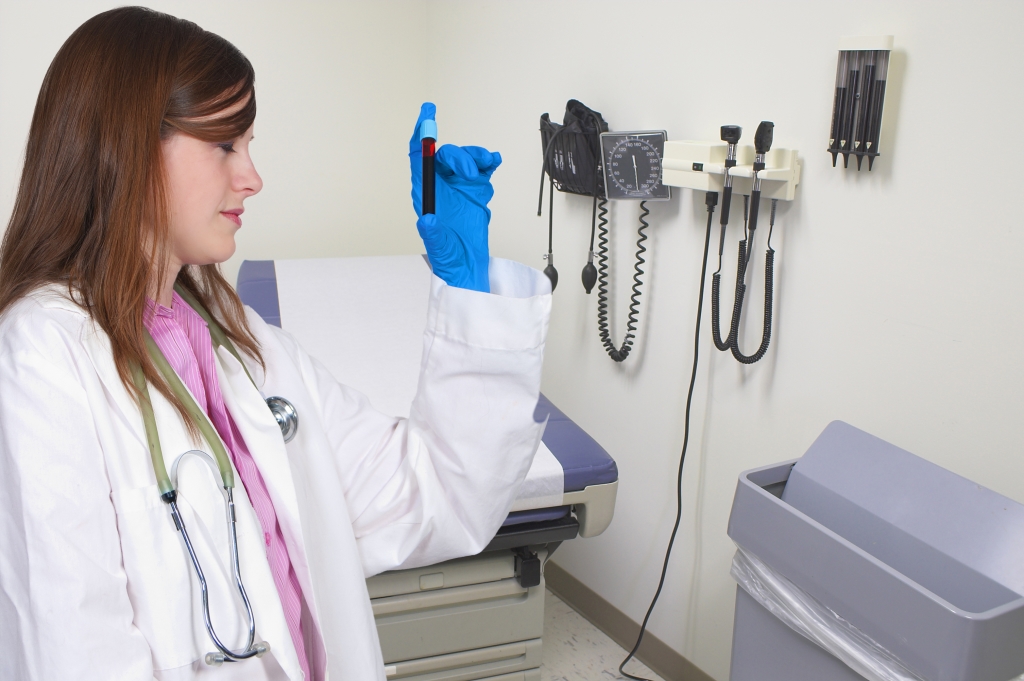
Ultimate Guide too NHS Phlebotomy Training: Boost Your Healthcare career Today
Introduction
Are you passionate about making a difference in healthcare and interested in a rewarding career as a phlebotomist within the NHS? Phlebotomy training is a vital step toward becoming a skilled healthcare professional capable of drawing blood safely and efficiently. This extensive guide will walk you through everything you need to know about NHS phlebotomy training, including the course structure, benefits, practical tips, and how to kick-start your career today. Whether you’re an aspiring healthcare worker or seeking to enhance your medical skills, understanding the ins and outs of NHS phlebotomy training is key to achieving your professional goals.
What is NHS Phlebotomy Training?
NHS phlebotomy training is a specialized educational program designed to equip aspiring healthcare professionals wiht the essential skills and knowledge needed to perform blood collection procedures safely. Phlebotomists play a critical role in medical diagnostics, working closely with patients and laboratory teams to ensure accurate and efficient blood sampling.
These training programs are typically offered through NHS hospitals, accredited colleges, or private training providers, focusing on practical skills, health and safety protocols, and patient care best practices.
Key Components of NHS Phlebotomy Training
Course Content Overview
- Anatomy and Physiology: Understanding blood vessels, circulatory system, and human anatomy relevant to blood sampling.
- Venipuncture Techniques: Proper methods for blood collection, including butterfly, syringe, and vacutainer techniques.
- Infection Control and Safety: Following NHS protocols to prevent infection and ensure patient safety.
- Patient Interaction and Care: Communicating effectively, explaining procedures, and managing patient anxieties.
- Handling and Processing Samples: Labeling, transport, and storage of blood samples.
- Legal and Ethical Considerations: Confidentiality, consent, and professional responsibilities within NHS settings.
Practical Training
Hands-on experience is a critical part of NHS phlebotomy courses, often involving supervised blood draws on volunteers or simulated patients. This ensures trainees develop confidence and proficiency before working independently.
Assessment and Certification
After completing the training modules, candidates must pass theoretical assessments and practical evaluations. Successful trainees receive recognized certification, frequently enough aligned with NHS standards, enabling you to work as a qualified phlebotomist within NHS facilities.
Benefits of NHS Phlebotomy Training
Embarking on NHS phlebotomy training offers numerous advantages for your healthcare career, including:
- Enhanced Employment Opportunities: Qualification as an NHS-certified phlebotomist opens doors to roles within the UK’s largest healthcare provider.
- Competitive Salary and Benefits: NHS roles typically come with attractive pay scales,pension schemes,and career development pathways.
- Skill Development: Gain specialized skills in patient care, safety procedures, and clinical procedures.
- Career Progression: Opportunities to advance into laboratory technician roles, health and safety positions, or specialized medical fields.
- Job Satisfaction: Contribute directly to patient diagnostics and healthcare delivery, making a meaningful impact.
Additional Perks
- Flexible training options, including part-time or full-time courses.
- Opportunities for ongoing professional development within NHS.
- Work in diverse settings like hospitals,clinics,and community health centers.
Practical Tips to Succeed in NHS Phlebotomy Training
- Choose Accredited Courses: ensure your training provider is certified by reputable bodies like the NHS or health and safety authorities.
- Practice Regularly: The more you practice venipuncture techniques, the more confident and competent you’ll become.
- Develop Good Dialog Skills: Being empathetic and clear helps ease patient anxieties and ensures smoother procedures.
- Prioritize Safety: Always follow infection control protocols and handle samples carefully.
- Seek Mentorship: Learn from experienced phlebotomists and ask for feedback to improve your skills.
Additional Resources
| Resource | Purpose |
|---|---|
| NHS Learning Hub | Access NHS-approved training modules and materials |
| Phlebotomy Skills Practice | Online tutorials and video demonstrations |
| Professional Forums | Connect with other healthcare professionals for tips and support |
Case Study: A Trainee’s Journey to Becoming an NHS Phlebotomist
Emily’s Story: Emily, passionate about healthcare, enrolled in a reputable NHS phlebotomy training program after completing her health studies. Over six weeks, she gained both theoretical knowledge and practical skills in blood collection.Facing her first solo blood draw, Emily managed her patient well, followed safety protocols meticulously, and successfully completed her assessment. Now, Emily works confidently as an NHS phlebotomist, enjoying a fulfilling career in patient diagnostics. Her story exemplifies how dedicated training can transform your healthcare ambitions into reality.
First-Hand Experience and Reflection
Manny trainees find that hands-on practice is the most rewarding aspect of NHS phlebotomy training.It not only builds technical skills but also boosts confidence dealing with patients of all ages and backgrounds. Remember,patience and attentiveness are key to becoming an effective phlebotomist. Regular feedback and ongoing learning are essential for continuous improvement.
Conclusion
Embarking on NHS phlebotomy training is a strategic step towards a rewarding career in healthcare. With comprehensive courses, practical hands-on experience, and a clear pathway to employment within the NHS, aspiring healthcare professionals can unlock new opportunities for growth and contribution. Whether you’re just starting out or seeking to expand your skill set, mastering phlebotomy not only boosts your employability but also allows you to have a tangible impact on patient care. Take the initiative today-enroll in NHS phlebotomy training and pave your way to a successful healthcare career!