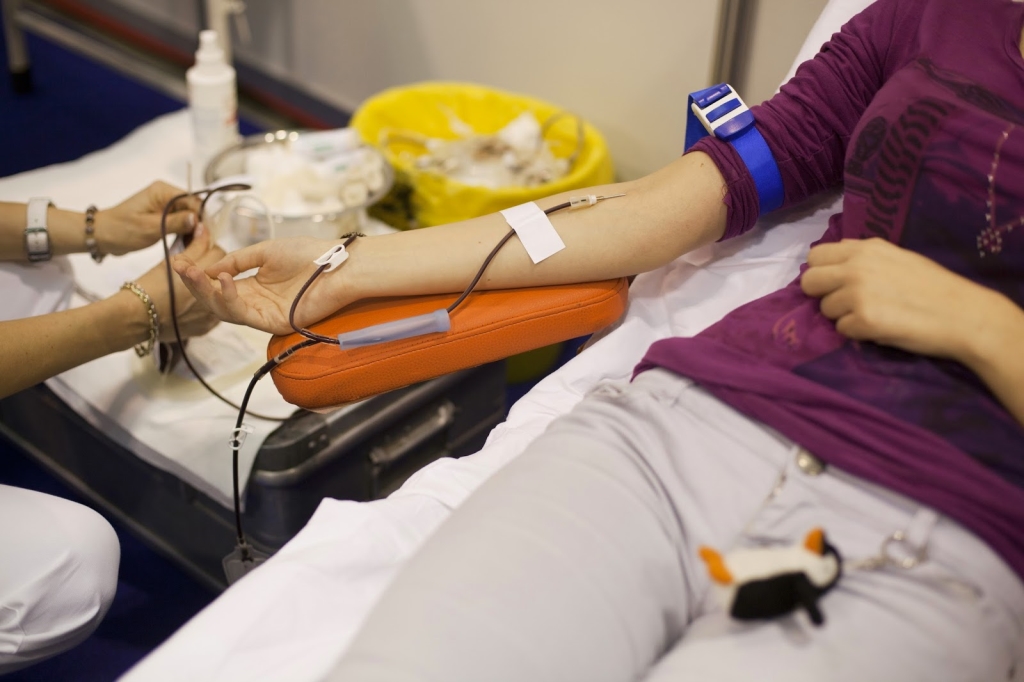
Top blood Draw Jobs: Your Guide to Careers in Phlebotomy and Medical Drawing
If you’re considering a rewarding career in the healthcare field, becoming a phlebotomist or medical draw technician can be a fantastic choice. These roles focus on drawing blood and collecting specimens vital for diagnosis and treatment. In this comprehensive guide, we’ll explore the top blood draw jobs, what it takes to succeed, benefits of these careers, and practical tips to kickstart your journey into phlebotomy and medical drawing.
Introduction
Blood collection is a crucial component of modern medicine, enabling accurate diagnosis, monitoring, and treatment of countless health conditions.As a result, the demand for competent blood draw professionals continues to grow. If you possess good interaction skills, steady hands, and enjoy helping others, a career in phlebotomy and medical drawing might be perfect for you. This article will delve into the top blood draw jobs available today, the skills needed, job prospects, and real-life insights to help you make an informed decision.
What Are Blood Draw Jobs? An Overview
Blood draw jobs involve collecting blood samples from patients for laboratory testing, transfusions, or research. Professionals performing these tasks are often called phlebotomists, medical lab assistants, or clinical technicians. These roles are typically found in hospitals,clinics,blood donation centers,diagnostic labs,and outpatient care facilities.
Top Blood Draw Jobs in Healthcare
The following list highlights some of the most sought-after careers focused on blood collection and medical drawing:
- Phlebotomist
- Medical Laboratory Technician
- Clinical laboratory Supervisor
- Venipuncture Specialist
- Blood Donor Technician
- Research Blood Collection Technician
Primary Roles and Responsibilities
While each role varies in scope,the core responsibilities often include:
- Preparing patients and explaining procedures to reduce anxiety
- Identifying patients accurately using IDs and wristbands
- Performing blood draws safely and efficiently
- Labeling and processing specimens
- Maintaining sterile techniques and respecting patient privacy
- Documenting procedures and managing records
Top Skills and Qualifications for Blood Draw Careers
Success in blood draw jobs depends on a combination of technical abilities and personal qualities. Here are key skills and qualifications you should develop:
- Certification: most employers require a valid phlebotomy certification from accredited programs.
- Steady Hands & Fine Motor Skills: Essential for triumphant blood collection without discomfort or injury.
- Patient Communication: Ability to empathize and reassure patients, especially those who are anxious or fearful.
- Attention to Detail: Ensuring proper labeling and documentation is critical for safety and accuracy.
- Knowledge of Anatomy: Understanding vein position and anatomy to perform efficient draws.
- Physical Stamina: Ability to stand for long periods and perform repetitive tasks.
Educational and Certification Requirements
Educational requirements for blood draw jobs typically include:
- High school diploma or GED
- Completion of a certified phlebotomy training programme (usually 40-120 hours)
- State certification or licensing (varies by state)
- CPR and First Aid certifications (recommended or required in some settings)
Job Outlook and Salary Expectations
The demand for blood draw professionals is projected to grow steadily. According to the U.S. Bureau of Labor Statistics, the median annual wage for phlebotomists was approximately $36,000 as of 2022, with positions in hospitals and diagnostic labs offering higher pay. Career advancement opportunities include becoming a senior technician, supervisor, or specialized specialist in research or blood banking.
Benefits of a Career in Phlebotomy and Medical Drawing
- Growing Job Market: Consistent demand across healthcare settings.
- Entry-Level Friendly: Relatively short training programs into the profession.
- Flexible work Environments: Opportunities in hospitals, clinics, blood banks, and research labs.
- Personal Satisfaction: Making a tangible difference in patient care and diagnosis.
- Potential for Specialization: Blood banking, research, or forensic roles.
Practical Tips for Aspiring Blood Draw Professionals
- Get Certified: Enroll in accredited training programs and obtain certification to boost employability.
- Gain Hands-On Experience: Volunteer or seek internships during training to build confidence.
- Develop Soft Skills: Improve communication, patience, and empathy to excel in patient interactions.
- Stay Updated: Keep current with industry standards, new techniques, and safety protocols.
- Network: Join professional associations like the National Phlebotomy Association for resources and job leads.
Case Studies: Success Stories in Blood Collection Careers
case Study 1: From Certification to Leadership
Jane started as a certified phlebotomist in a regional hospital.Her dedication led her to receive additional training in blood banking, and she now supervises a team of blood collection specialists.Her career demonstrates how continuous learning can open doors for advancement.
Case Study 2: Breaking Barriers in Blood Donation Centers
Mike,a former volunteer,turned professional phlebotomist,found fulfilling work in a community blood donation centre. his friendly demeanor and technical skill helped boost donor retention and collection efficiency.
First-Hand Experience: What to Expect on Your First Day
Starting your new job in blood collection can be both exciting and nerve-wracking. Expect to undergo orientation, learn safety protocols, and gradually perform supervised blood draws. Building confidence takes practice,but supportive team environments make the process rewarding.
Conclusion
Careers in phlebotomy and blood drawing are both rewarding and promising, offering a unique opportunity to contribute meaningfully to healthcare. Whether you’re just starting or looking to advance your existing skills, the top blood draw jobs provide a pathway towards stable employment, professional growth, and personal fulfillment. With proper training, certification, and a passion for helping others, you can thrive in this vital medical field. Embrace the opportunities, develop your skills, and take the first step toward a successful career in blood collection today.
| Career Path | Average Salary | Work environment |
|---|---|---|
| Phlebotomist | $36,000/year | Hospitals, clinics |
| Lab Technician | $45,000/year | Diagnostic labs, research centers |
| Blood Banking Specialist | $50,000/year | Blood banks, hospitals |
| Research Technician | $55,000/year | Research universities, biotech firms |
Embark on your journey in the healthcare industry by exploring blood draw jobs today. The combination of essential skills, certifications, and dedication can lead you to a fulfilling career that makes a real difference in people’s lives.