Understanding Phlebotomy Responsibilities: A Complete guide for Aspiring Professionals
Embarking on a career as a phlebotomist is a rewarding journey that plays a vital role in healthcare. These trained professionals are responsible for collecting blood samples that are crucial for diagnostics, treatment, and research. As the first point of contact in many medical settings, phlebotomists must possess a combination of technical skills, professionalism, and empathy. This comprehensive guide aims to illuminate the core responsibilities of phlebotomists, share practical tips for success, explore benefits, and provide real-world insights to help aspiring professionals excel in this vital healthcare role.
What Is Phlebotomy and Why Is It Important?
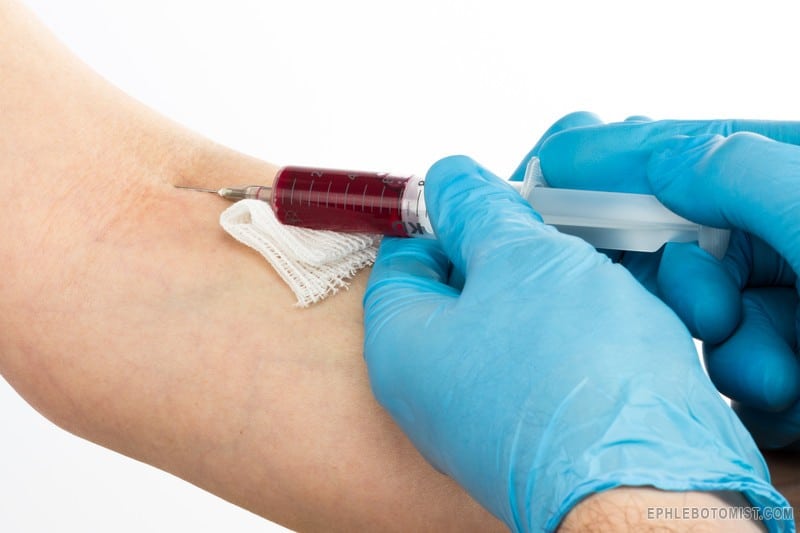
Phlebotomy refers to the process of drawing blood samples from patients for laboratory testing,blood donation,or other medical purposes. It is a specialized skill that requires knowledge of human anatomy, sterile techniques, and patient communication. Proper phlebotomy ensures the accuracy of lab results and patient safety, making it a cornerstone of effective healthcare delivery.
Core Responsibilities of a Phlebotomist
Understanding the responsibilities of a phlebotomist helps clarify the scope of this vital healthcare role. Here are the primary duties all aspiring professionals should be familiar with:
Patient Identification and Planning
- Verify patient identity through identification bands or records
- Explain the procedure to reduce anxiety and build trust
- Assess patient conditions to identify potential complications
Blood Collection Procedures
- Select appropriate collection equipment and site
- Apply tourniquets correctly to locate veins
- Perform venipuncture with precision and care
- Ensure proper handling and labeling of blood samples
Sample Handling and Processing
- Follow protocols for sample labeling and documentation
- Transport specimens to the laboratory under proper conditions
- Ensure adherence to safety and hygiene standards
Patient Care and Communication
- Provide comfort and reassurance to nervous patients
- Respond professionally to patient queries and concerns
- Maintain patient privacy and confidentiality at all times
Administrative and Regulatory Duties
- Maintain accurate records of blood draws and patient information
- Adhere to OSHA guidelines and infection control practices
- Stay updated with state and federal healthcare regulations
Benefits of a Career in Phlebotomy
Choosing a career in phlebotomy offers numerous advantages,making it an attractive option for those interested in healthcare. These include:
- Fast certification process: Many programs offer short-term training, allowing you to start working quickly.
- High demand: The healthcare industry continuously needs skilled phlebotomists, ensuring job stability.
- Entry-level accessibility: No extensive medical degree required; training is straightforward.
- Solid earning potential: Salaries are competitive and improve with experience and certification.
- Personal fulfillment: Helping patients and supporting healthcare teams provide a sense of purpose.
Practical Tips for Aspiring Phlebotomists
To excel in phlebotomy responsibilities, consider the following practical tips:
- Obtain proper certification: Enroll in accredited training programs to learn best practices.
- Practice your skills: Hands-on experience is vital; seek internships or lab assistant roles.
- Develop communication skills: Cultivate empathy and clarity when interacting with patients.
- Stay organized: Keep meticulous records of samples and procedures.
- Stay current with regulations: Regularly update your knowledge on safety protocols and industry standards.
- Prioritize safety: Always adhere to infection control standards to protect yourself and patients.
Case Studies and First-Hand Experiences
Real-world experiences offer valuable insights into the responsibilities of phlebotomists. Here are brief case studies illustrating diverse scenarios.
Case Study 1: Managing Difficult Venipunctures
Jane, a newly certified phlebotomist, faced a patient with small, rolling veins. Using warm compresses and a gentle approach, she successfully drew the blood without causing discomfort. This experience highlighted the importance of patience, adaptive techniques, and confidence in handling challenging cases.
Case Study 2: Communicating with Anxious Patients
Mark encountered a patient with severe needle phobia. Taking extra time to explain the process and providing reassurance, he made the experience less stressful. Empathy and excellent communication are key leadership skills for phlebotomists.
Regulations and Safety Standards in Phlebotomy
Adhering to healthcare regulations is crucial for maintaining safety and professionalism. Key standards include:
- OSHA Bloodborne Pathogens Standard
- CDC infection Control Guidelines
- State-specific licensure requirements
- Proper disposal of sharps and biohazard materials
| Phlebotomy Duty | Key actions | Outcome |
|---|---|---|
| Patient Identification | Verify identity,explain procedure | Accurate samples,patient trust |
| Blood Collection | Venipuncture,site prep | Quality blood samples |
| Sample Handling | Labeling & transporting | Sample integrity preserved |
| patient Care | Comfort & communication | Patient satisfaction |
| Documentation & safety | Record keeping & hygiene | Compliance & safety |
Final Thoughts: Becoming a Skilled Phlebotomist
understanding the responsibilities of a phlebotomist is fundamental to building a successful career in healthcare. From technical proficiency in blood collection to compassionate patient care, every aspect plays a role in ensuring accurate diagnostics and patient well-being. By staying informed about industry standards, continually honing your skills, and embracing the rewards of helping others, you can become a dedicated and effective phlebotomy professional. Whether you are just starting your journey or looking to improve your practice, this guide provides a solid foundation to succeed in the dynamic field of phlebotomy.