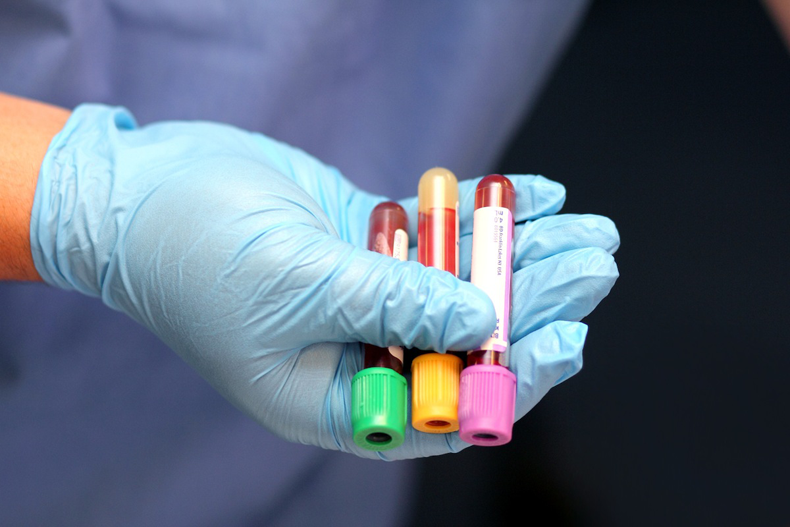
Master the Order of the Draw in Phlebotomy: Essential Tips for Accurate Blood Collection
If you’re a healthcare professional, nurse, or aspiring phlebotomist, understanding the correct order of the draw in phlebotomy is crucial for obtaining accurate laboratory results and preventing cross-contamination between tests. Proper blood collection techniques not only improve diagnostic accuracy but also enhance patient safety and comfort. This comprehensive guide will walk you through the essential tips,best practices,and real-world insights to help you master the art of blood draw order.
Understanding the Importance of the blood Draw Order in Phlebotomy
The order of the draw in phlebotomy refers to the sequence in which blood collection tubes should be filled during a venipuncture procedure. Adhering to the correct order is essential because it minimizes the risk of cross-contamination between additives in different tubes, prevents hemolysis, and ensures reliable lab results.
Historically, the Phlebotomy Guidelines established by the Clinical and Laboratory Standards Institute (CLSI), particularly CLSI H3-A6, provide standardized procedures that detail the optimal sequence for blood collection. Following these guidelines is vital for maintaining sample integrity and patient safety.
The Standard Order of Draw in Phlebotomy
While variations might exist based on specific hospital protocols or country standards, the most widely accepted order of draw in phlebotomy is as follows:
Typical Blood Collection Sequence
| Step | Tube Type | Color/Additive | Purpose |
|---|---|---|---|
| 1 | Blood culture bottles | N/A | Detects microorganisms in blood |
| 2 | Blue top | Sodium citrate | Cohesion and coagulation testing |
| 3 | Red top | Serum separator or no additive | Serum chemistry tests |
| 4 | Gold or Tigers (SST) | Clot activator, gel separator | Serum tests requiring fast clotting |
| 5 | green top | Heparin | Electrolytes, STAT testing |
| 6 | Lavender top | EDTA | Complete blood count (CBC), blood smears |
| 7 | Gray top | Potassium oxalate, sodium fluoride | blood glucose, alcohol levels |
Why Correct Order of Draw Matters
Adhering to the proper order in phlebotomy reduces:
- Risk of cross-contamination of additives between tubes
- Hemolysis caused by tube additives or improper technique
- Erroneous test results due to residual additive interference
- Potential patient discomfort or complications
Practical Tips for Mastering the Draw Order in Phlebotomy
1. Familiarize Yourself with Standard Protocols
- Always refer to CLSI or hospital-specific blood collection guidelines
- Keep updated on new best practices and protocol changes
2.Prepare Your Supplies and Confirm the Order
- Set up all collection tubes in the correct sequence according to your protocol
- Double-check labels and types before starting the draw
3. Use Proper Venipuncture Technique
- Apply the tourniquet correctly (about 3-4 inches above the puncture site)
- Insert the needle smoothly to prevent hemolysis
- Ensure tubes are filled in the correct sequence without pause or mixing in the wrong order
4. Handle Tubes Carefully
- Invert tubes gently according to manufacturer instructions to mix additives properly
- Do not refill tubes once filled; proceed sequentially to prevent contamination
5. Record and Label Instantly
- Label samples accurately, including time and date of collection
- Ensure labels are in place before leaving the patient
Benefits of Mastering the Blood Draw Order
Following the correct sequence provides multiple advantages:
- Accuracy of Laboratory Results: Ensures reliable test outcomes for diagnosis and treatment planning.
- Patient Safety: Reduces the risk of complications like hemolysis or cross-reaction.
- Operational Efficiency: Minimizes repeat collections and delays.
- Professional Confidence: Builds trust with patients and colleagues.
Case Studies: Successful Implementation of Correct Draw Order
Case Study 1: Reducing Hemolysis in a Busy Laboratory
A hospital lab observed high hemolysis rates in collected samples. Upon reviewing practices, the staff implemented strict adherence to the draw order, proper tube handling, and staff training. Hemolysis rates dropped by 40%, improving test accuracy and reducing repeat draws.
Case Study 2: Avoiding Cross-Contamination in Pediatric Phlebotomy
In pediatric patients, precise adherence to the blood draw order minimized cross-reactivity between anticoagulants and serum samples, leading to more consistent test results and improved patient outcomes.
Personal Experience: Tips from a Phlebotomy Professional
Having worked in various clinical settings, I can attest that mastering the order of the draw isn’t just about following rules-itS about developing a routine and understanding the rationale behind each step. Patience and attention to detail, combined with continuous education, make a notable difference in specimen quality and patient care.
Conclusion
Mastering the order of the draw in phlebotomy is a cornerstone of effective blood collection. From understanding the standard sequence to applying practical techniques, every step influences the accuracy of laboratory results and patient safety. By staying informed, practicing diligently, and adhering to established protocols, healthcare professionals can ensure they perform blood draws with confidence and precision. Remember, meticulous technique in phlebotomy not only benefits the laboratory but, most importantly, enhances the well-being of every patient you serve.