**Title: The Ultimate Guide to Becoming a Certified Phlebotomy Training Specialist**
**Introduction:**
Becoming a certified phlebotomy training specialist can open up a world of opportunities in the healthcare industry. As a phlebotomist, you will play a crucial role in the medical field by performing blood draws, collecting samples, and ensuring the proper handling and processing of specimens. In this comprehensive guide, we will take you through the steps to become a certified phlebotomy training specialist, including the required training, certification process, and important skills needed for success in this field.
**The Importance of Phlebotomy Training:**
Phlebotomy training is essential to ensure that phlebotomists are equipped with the necessary skills and knowledge to perform their job effectively. This training covers topics such as anatomy and physiology, infection control, safety procedures, and techniques for venipuncture and capillary puncture. By completing a phlebotomy training program, you will gain the expertise needed to excel in this critical healthcare role.
**Steps to Becoming a Certified Phlebotomy Training Specialist:**
1. **Education:** The first step to becoming a certified phlebotomy training specialist is to complete a phlebotomy training program. These programs are offered at vocational schools, community colleges, and healthcare facilities. Courses typically cover topics such as medical terminology, anatomy and physiology, and phlebotomy techniques.
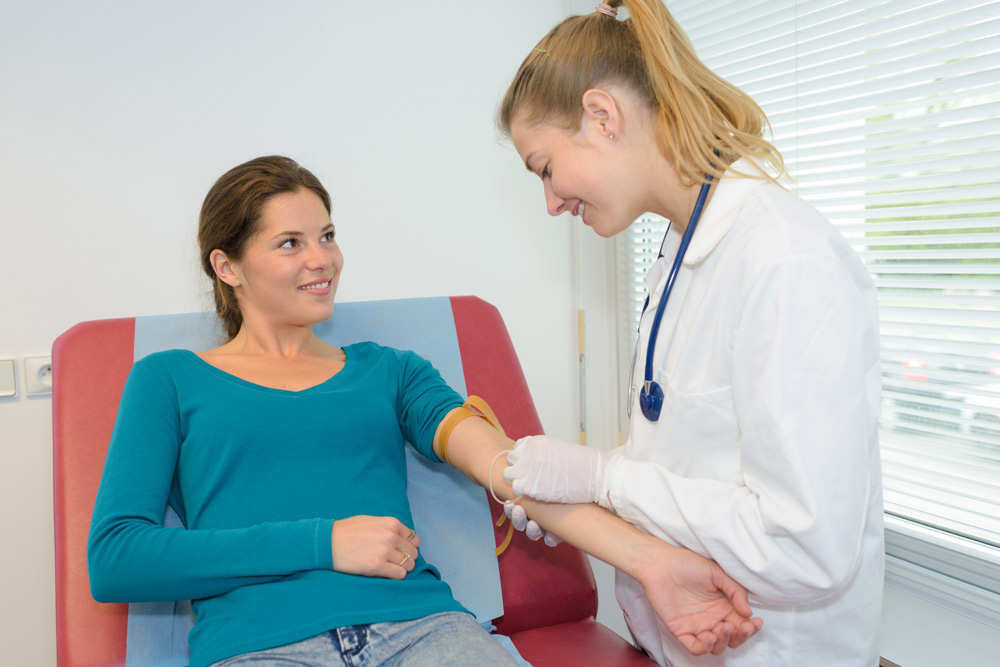
2. **Clinical Experience:** After completing your education, you will need to gain hands-on clinical experience through an internship or externship program. This hands-on training will help you develop the necessary skills and confidence to perform blood draws and collect samples from patients.
3. **Certification:** Once you have completed your education and gained clinical experience, you will need to obtain certification as a phlebotomy training specialist. This certification is typically obtained through organizations such as the National Healthcareer Association (NHA) or the American Society for Clinical Pathology (ASCP). Certification demonstrates your competence and commitment to excellence in the field of phlebotomy.
4. **Continuing Education:** In order to maintain your certification as a phlebotomy training specialist, you will need to complete continuing education requirements. This may include attending workshops, conferences, or online courses to stay up-to-date on the latest trends and techniques in phlebotomy.
**Benefits of Becoming a Certified Phlebotomy Training Specialist:**
– Job Security: The demand for skilled phlebotomists is expected to increase as the healthcare industry continues to grow.
– Competitive Salary: Certified phlebotomy training specialists often earn higher salaries than non-certified phlebotomists.
– Career Advancement: Certification can open up opportunities for career advancement in the healthcare field.
**Practical Tips for Success:**
– Practice regularly to improve your venipuncture and capillary puncture skills.
– Stay current on industry trends and new technologies in phlebotomy.
– Develop strong communication and interpersonal skills to work effectively with patients.
**Conclusion:**
Becoming a certified phlebotomy training specialist is a rewarding career choice that offers job security, competitive salary, and opportunities for career advancement in the healthcare industry. By following the steps outlined in this guide, you can embark on a fulfilling career as a certified phlebotomy training specialist. Start your journey today and make a difference in the lives of patients through your expertise in phlebotomy.
By following this ultimate guide, you can achieve success in the field of phlebotomy and make a positive impact on the healthcare industry. Good luck on your journey to becoming a certified phlebotomy training specialist!