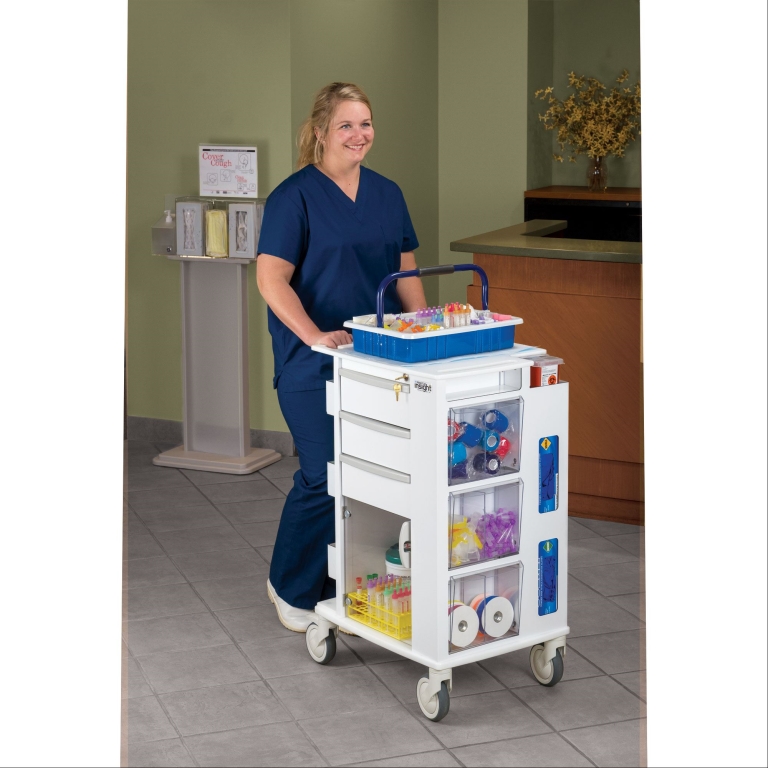
Become a Certified Phlebotomist: Your Guide to National Certification and Career Success
Embarking on a career as a certified phlebotomist is an excellent choice for those interested in healthcare, patience, and precise technical skills. Phlebotomists play a vital role in medical diagnostics by collecting blood samples that help diagnose and treat a wide range of health conditions. This comprehensive guide will walk you through the steps to become a certified phlebotomist, the benefits of national certification, practical tips for success, and insights into building a rewarding career in this dynamic healthcare field.
Why Become a Certified Phlebotomist?
Choosing to pursue certification as a phlebotomist offers numerous advantages:
- Enhanced employability: Many healthcare facilities prefer or require certified professionals.
- Higher earning potential: Certified phlebotomists often earn more than non-certified counterparts.
- Improved job security: Certification demonstrates dedication and competency, making you a valuable team member.
- Professional credibility: Certification reassures patients and employers of your skills and knowledge.
- Opportunities for advancement: Certification can serve as a stepping stone to supervisory roles or specialized areas like pediatric or IV therapy.
Steps to Become a Certified Phlebotomist
1. Meet Educational and Age Requirements
Most states and certification programs require applicants to have a high school diploma or equivalent. Ensure you meet the minimum age requirement, typically 18 years or older.
2.Complete a Phlebotomy Training Programme
Enroll in an accredited phlebotomy training program, which can be offered through hospitals, community colleges, vocational schools, or online courses. Thes programs cover essential topics such as anatomy, safety procedures, specimen handling, and clinical practices. A typical training duration ranges from a few weeks to several months.
3. Gain Hands-On Experiance
Most training programs include practical clinical hours. Gaining real-world experience is critical to developing the skills needed for prosperous blood collection and patient interaction.
4. Pass the National Certification Exam
To become a nationally certified phlebotomist, you must pass an exam administered by a recognized certification body. The most reputable organizations include:
- National Healthcareer Association (NHA)
- American Society for Clinical Pathology (ASCP)
- American Medical Technologists (AMT)
- National Phlebotomy Association (NPA)
5. Obtain State Licensure or Certification (If Required)
Some states mandate licensure or certification to work as a phlebotomist.Check your state’s requirements to ensure compliance. Frequently enough, passing the national exam suffices for licensure, but in certain regions, additional steps might potentially be necessary.
Overview of Certification Options
| Certification body | Exam Name | Eligibility Requirements | Renewal Period |
|---|---|---|---|
| National Healthcareer association (NHA) | Certified Phlebotomy Technician (CPT) | Completion of training & clinical hours | 2 years |
| American Society for Clinical Pathology (ASCP) | ASCP phlebotomy Technician (PBT) | Training & 100+ venipunctures or clinical hours | 3 years |
| American Medical Technologists (AMT) | Registered Phlebotomy Technician (RPT) | certified training & experience | 3 years |
Benefits of National Certification
- Recognition: Certification by recognized organizations confirms your competency and professionalism.
- Career mobility: Easier transition between states and employers due to standardized credentialing.
- Continuing education opportunities: Certification often requires ongoing learning to maintain your credentials.
Practical Tips for Aspiring Phlebotomists
- Practice regularly: Skills improve with consistent practice, especially venipuncture technique.
- Focus on patient interaction: Building rapport helps reduce patient anxiety and ensures smooth procedures.
- Stay informed about safety protocols: Always adhere to OSHA standards and infection control guidelines.
- prepare thoroughly for exams: Review key concepts, practice with sample questions, and utilize study guides.
- Network with professionals: Join associations, attend conferences, and connect with experienced phlebotomists to gain insights and mentorship.
Case Study: From Student to Certified Phlebotomist
Meet Sarah: After completing a 4-week training program at her local community college, Sarah gained 50 clinical hours and passed her national certification exam through NHA. She secured a job at a busy outpatient clinic, where her certification and experience allowed her to earn above the industry average. Sarah continues her education, aspiring to specialize in pediatric phlebotomy and eventually become a supervisor.
Building a successful Career in Phlebotomy
Beyond certification, consider these strategies for career growth:
- Specialize: Pursue certifications in specialized areas such as pediatric, inpatient, or IV therapy.
- Gain diverse experience: Work in different healthcare settings like hospitals, clinics, or diagnostic labs.
- Continue education: Attend workshops and advanced courses to expand your expertise.
- Commit to professionalism: Maintain integrity, punctuality, and excellent patient care to build a reputation.
Conclusion
Becoming a certified phlebotomist is a rewarding career path that offers stability, growth opportunities, and the chance to make a real difference in patients’ lives. By completing an accredited training program, obtaining national certification, and continually developing your skills, you can establish a successful and fulfilling career in the healthcare industry. Remember,certification not only validates your expertise but also opens doors to advancement and specialization within this vital field. start your journey today, and take the first step toward becoming a professional, certified phlebotomist committed to excellence in patient care.