Become a Certified Phlebotomist: Your Guide to Skills, Certification, and Career Success
embarking on a career as a certified phlebotomist can be both rewarding and financially promising. If you’re interested in working in the healthcare sector, helping patients, and making a difference in diagnostic testing, becoming a certified phlebotomist might be the perfect fit for you. In this thorough guide, we’ll explore the essential skills, certification pathways, career opportunities, practical tips, and real-life insights to help you succeed in this dynamic field.
Introduction
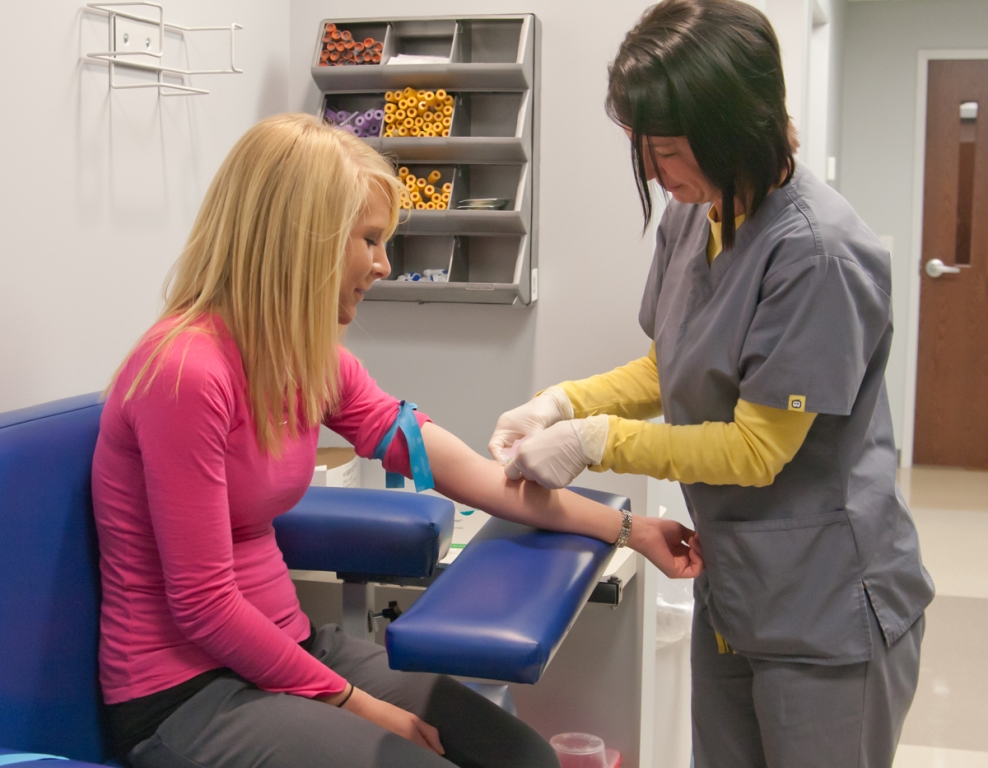
Phlebotomy is the process of drawing blood samples from patients for laboratory testing, transfusions, donations, or research. As a vital link in the healthcare chain, skilled phlebotomists ensure accurate sample collection, which directly impacts patient care and diagnosis.the role requires technical proficiency, excellent dialog skills, and a compassionate attitude. certification not only validates your skills but also enhances your job prospects and earning potential. Whether you’re a recent graduate or changing careers, this guide provides all the information needed to become a certified phlebotomist and thrive in your professional journey.
Why Become a Certified Phlebotomist?
- Job Stability: Growing demand for healthcare professionals ensures job security.
- Competitive Salary: Certified phlebotomists enjoy attractive pay rates compared to non-certified counterparts.
- Career Advancement: certification opens doors to specialized roles and educational opportunities.
- Fulfillment: Helping patients and contributing to medical diagnoses offers a meaningful career path.
Essential Skills for Phlebotomy Success
To excel as a certified phlebotomist,certain skills are essential:
- Technical Skills: Proper blood collection techniques,understanding of anatomy,and laboratory procedures.
- Communication Skills: Explaining procedures clearly and reassuring nervous patients.
- Attention to Detail: Accurate labeling, handling samples appropriately, and following safety protocols.
- Manual Dexterity: Precise needle insertion and sample collection.
- Empathy and Patience: Comforting anxious patients and addressing concerns effectively.
Certification Requirements and Pathways
How to Become a Certified Phlebotomist
While requirements vary by state and employer, obtaining certification is a key step in establishing credibility. Hear are common pathways:
| Step | Description |
|---|---|
| Complete a Phlebotomy Training Program | Enroll in an accredited program that covers theoretical knowledge and hands-on practice. |
| Gain Practical Experience | Accumulate required hours through externships or clinical practice. |
| Pass a Certification Exam | Register for and succeed in an approved certification exam. |
| Maintain Certification | Fulfill continuing education requirements to stay certified. |
Top Certification Bodies
- National Phlebotomy Association (NPA)
- american Society for Clinical Pathology (ASCP)
- American Medical Technologists (AMT)
Choosing the Right Phlebotomy Training Program
When selecting a program, consider:
- Accreditation status
- Course curriculum and hands-on training quality
- Program duration and scheduling options
- Success rates and graduate reviews
- Cost and financial aid options
Practical Tips for Aspiring Phlebotomists
- Practice Regularly: Hone your skills in a clinical setting or simulation labs.
- Build Rapport: Develop excellent bedside manners and communication skills.
- Stay Informed: Keep updated on new techniques and safety guidelines.
- Network with Professionals: Join associations and attend workshops or conferences.
- Prepare for Certification Exams: Use practice tests and study guides to improve your chances of passing.
Benefits of Certification
Obtaining a certification as a phlebotomist offers numerous advantages:
- Enhanced credibility: Recognized proof of your skills and professionalism.
- Increased Job Opportunities: many employers prefer or require certified applicants.
- Higher salary Potential: Certification can lead to higher wages and benefits.
- Career Adaptability: Opportunities to work in hospitals, clinics, blood banks, and research facilities.
case Study: from Training to Triumph
Meet jane: A dedicated aspiring phlebotomist who completed her certification through an online program, gained clinical experience at a local hospital, and quickly secured a position with competitive pay. Jane emphasizes the importance of hands-on practice and patient empathy in her success story. Her journey highlights how proper training and certification can accelerate your career in healthcare.
First-Hand Experience: What It’s Really Like
Many certified phlebotomists describe thier job as rewarding yet challenging. The key is maintaining composure under pressure and developing gentle techniques that reassure patients. Practical experience is invaluable; the more you practice, the more confident you become in your skills.Triumphant phlebotomists also value ongoing education to stay current with industry standards.
Conclusion
Becoming a certified phlebotomist is a step toward a stable and fulfilling healthcare career. By acquiring the essential skills, choosing the right training program, and obtaining certification from a reputable association, you position yourself for success. Remember,dedication,continuous learning,and compassion are your best tools for excelling in this vital healthcare role.If you’re passionate about making a difference in patients’ lives and eager to enter a growing field, start your journey today and become a certified phlebotomist!