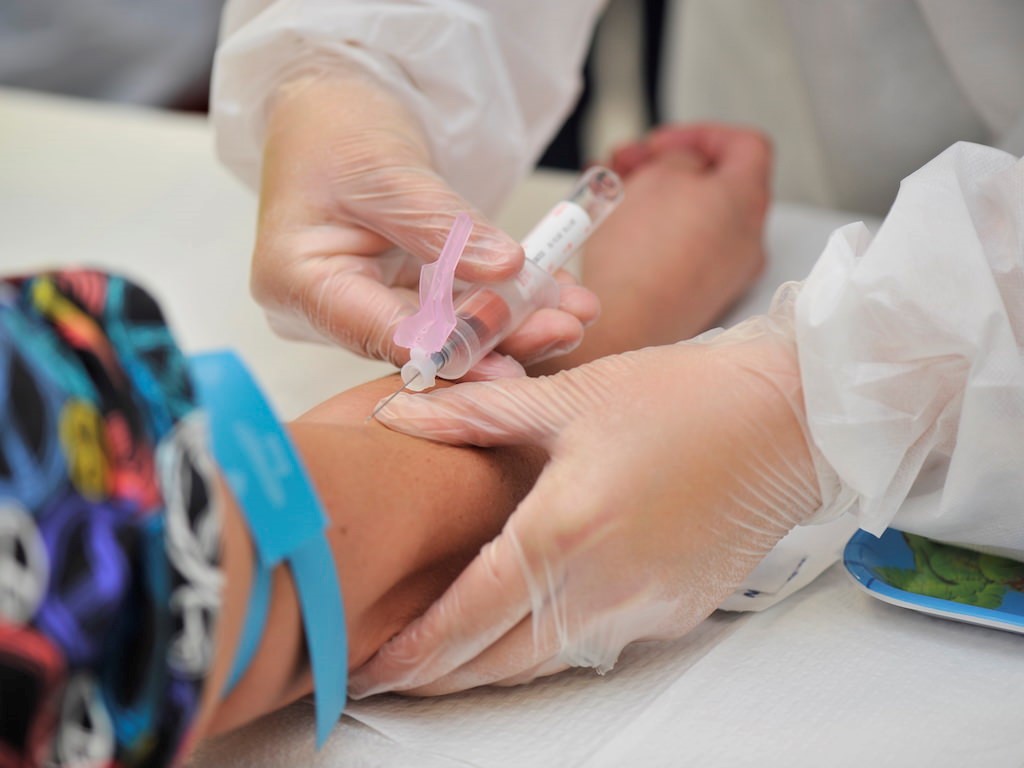
How to Obtain Your Phlebotomy License: A Step-by-Step Guide to Starting Your Medical Career
Embarking on a career as a licensed phlebotomist is a rewarding path within the healthcare industry. Whether you’re looking to improve your job prospects or passionate about assisting patients, obtaining your phlebotomy license is a crucial step. This comprehensive guide will walk you through the entire process-covering educational requirements, certification, practical training, and more-so you can confidently start your journey in the medical field.
Introduction
Phlebotomy is a vital healthcare role involving the collection of blood samples for testing, transfusions, donations, and research. As a certified phlebotomist, you play a critical part in patient care and diagnostics. However, to operate legally and professionally, obtaining a phlebotomy license is essential. The process varies by state, but the core steps are similar across the country. Ready to start? Let’s explore the step-by-step path to becoming a licensed phlebotomist.
Why Obtain a Phlebotomy License?
- Legal Compliance: Many states require licensing or certification to work legally as a phlebotomist.
- Enhanced Employment Opportunities: Licensed professionals often have better job prospects and higher salaries.
- Professional Credibility: Certification demonstrates your skills and dedication to quality care.
- Patient Safety: Proper training and licensing ensure safe and effective blood collection practices.
Prerequisites for Becoming a Licensed Phlebotomist
before diving into training and certification, it’s crucial to ensure you meet basic prerequisites:
- High School Diploma or Equivalent: A minimum educational requirement for most programs.
- Background Check: Some states or employers may require a criminal background screening.
- Minimum Age: Typically 18 years old or older.
- Completion of a Training Program: Accredited phlebotomy training is a must.
Step 1: Enroll in an Accredited Phlebotomy Training Program
The first step to obtaining your phlebotomy license is completing a recognized training program. Look for programs accredited by organizations like the National Accrediting Agency for Clinical Laboratory Sciences (NAACLS) or the American Society for Clinical Pathology (ASCP).
What to Expect from a Training Program
- Classroom Instruction: Covers anatomy, physiology, safety protocols, and blood draw techniques.
- Lab Practice: Hands-on training with supervision to develop skills.
- Clinical Experience: Real-world practice in hospitals, clinics, or laboratories.
Step 2: Gain Practical Experience and Complete Clinical Hours
Practical experience is vital. Most accredited programs include clinical internships or externships, where you will perform blood draws under supervision.
This hands-on training prepares you for real-world scenarios, building confidence and competence. Clinical requirements vary but typically involve collecting a specific number of triumphant venipunctures and capillary collections.
Step 3: Pass the phlebotomy Certification Exam
After completing your training and clinical hours, you need to pass a recognized certification exam. Common organizations offering certification include:
- National Healthcareer Association (NHA)
- American Society for Clinical Pathology (ASCP)
- National Phlebotomy Association (NPA)
Preparing for the exam
- Review your coursework and clinical logs.
- use practice tests offered by certification agencies.
- Join study groups or review online resources.
Step 4: Obtain Your Phlebotomy License or Certification
Upon passing the certification exam, you will receive a certificate or license indicating your qualified status. Remember, some states require you to apply for licensure through local health departments or regulatory boards.
State-Specific Licensing
Check your stateS requirements, as some states, like California, Nevada, and Illinois, mandate licensure, while others only recognize certification.
Step 5: Maintain Your certification and License
most certifying bodies and states require ongoing education to renew your license or certification. Strategies for maintaining licensure include:
- Completing Continuing Education Units (CEUs).
- Renewing your license annually or as specified by your state.
- Staying updated with the latest safety protocols and blood collection techniques.
Benefits of Becoming a Licensed Phlebotomist
Getting licensed as a phlebotomist opens numerous doors within the healthcare industry. some notable benefits include:
- Higher earning potential – Licensed phlebotomists tend to earn more than those without licensure.
- Job security – Increased demand for qualified professionals ensures more employment opportunities.
- Professional growth – Licensing can be a stepping stone to advanced roles in healthcare, such as lab technician or healthcare assistant.
Practical Tips for Aspiring Phlebotomists
- Choose accredited programs: Ensure your training program is recognized to meet licensing requirements.
- Practice regularly: Build your confidence through hands-on practice and previous experience.
- Stay informed: Keep up-to-date with evolving safety standards and new technology.
- Network with professionals: Join industry associations and local healthcare groups.
Case Study: From Student to Licensed Phlebotomist
| Step | Action | Outcome |
|---|---|---|
| Enrolled in program | completed a 6-week accredited training course | Gained foundational knowledge and practical skills |
| Clinical internship | Performed 50 blood draws under supervision | Built confidence and real-world experience |
| Certification exam | Passed the ASCP phlebotomy exam | Received professional certification |
| Apply for license | Submitted submission to state health department | Obtained official phlebotomy license |
| Start working | Secured a position at local hospital | Begining successful medical career as a licensed phlebotomist |
Conclusion
Starting a career in phlebotomy with a valid license not only increases your employability but also enhances your credibility as a healthcare professional. Remember, the path to licensure involves proper training, practical experience, passing a certification exam, and complying with state-specific requirements. With determination and commitment, you can successfully obtain your phlebotomy license and embark on a rewarding journey in the medical field.Ready to take the first step? Enroll in an accredited training program today and make a difference in patient care!