Complete Guide to Phlebotomy Training: Skills, Certification, and Career Opportunities
Thinking about a career in healthcare? Phlebotomy offers a promising pathway with rewarding job opportunities, flexible training options, and essential skills that make a difference in patient care. In this comprehensive guide, we’ll explore everything you need to know about phlebotomy training, including the skills required, certification processes, and potential career paths.
introduction
Phlebotomy is a vital health profession focused on drawing blood for medical testing, transfusions, donations, or research. As a phlebotomist, you’ll be at the forefront of patient interaction, ensuring procedures are safe, efficient, and comfortable. Whether you’re considering starting a new career or enhancing your healthcare skill set, understanding the fundamentals of phlebotomy training is crucial. This guide provides a detailed overview to help you navigate the journey toward becoming a certified phlebotomist and exploring the rewarding career opportunities that await.
What Is Phlebotomy?
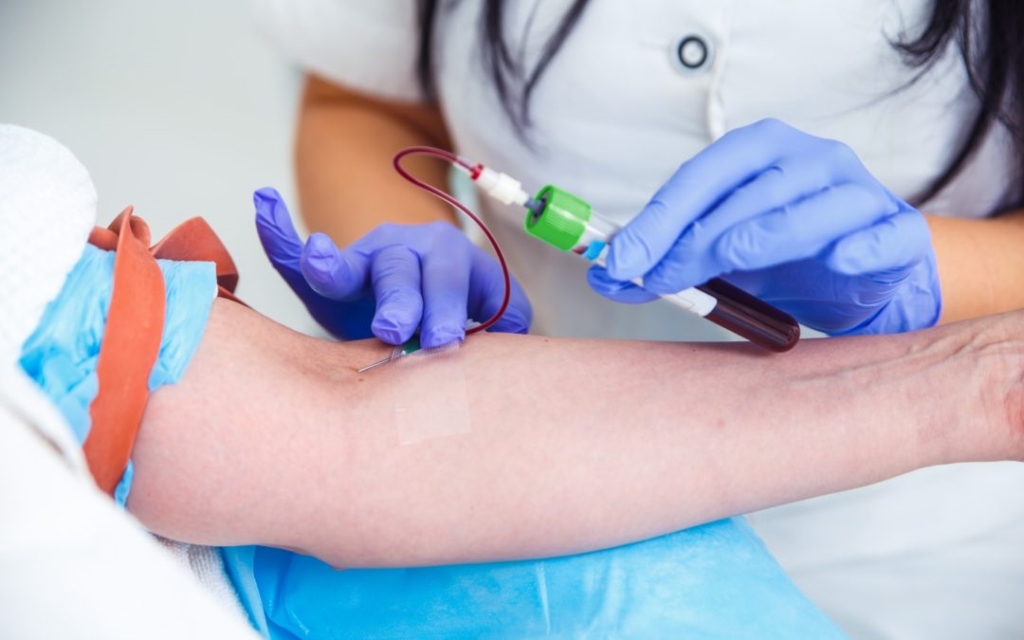
Phlebotomy involves the collection of blood samples from patients or donors. It plays a critical role in medical diagnosis, treatment, and research.The professional who performs this task is called a phlebotomist. Their responsibilities include:
- Preparing patients for blood draws
- Ensuring proper collection techniques
- Labeling and handling specimens correctly
- Maintaining sterile procedures
- Providing compassionate patient care
Success in this field depends on a blend of technical skill, attention to detail, and excellent interpersonal skills. becoming a competent phlebotomist requires proper training and certification, which we’ll explore in the following sections.
Essential Skills for Phlebotomy Training
to excel in phlebotomy, you’ll need a combination of technical, interpersonal, and organizational skills, including:
- Manual dexterity: Precise handling of needles and collection equipment
- Attention to detail: Accurate labeling and documentation
- Interpersonal skills: Comforting and communicating with patients
- Knowledge of anatomy: Understanding veins and blood collection sites
- Adherence to safety standards: Preventing infections and ensuring hygienic procedures
- Problem-solving abilities: Handling difficult or anxious patients effectively
Developing and honing these skills during your phlebotomy training ensures safe, effective, and compassionate patient care.
Phlebotomy Training Programs
There are various training options available, ranging from short-term certification courses to more extensive diploma programs. When choosing a program, consider factors such as accreditation, curriculum quality, and hands-on experience opportunities.
Types of Training Options:
- Certificate Programs: Usually 2-4 weeks long, focused on core skills and knowledge.
- Diploma Courses: More comprehensive, covering anatomy, physiology, and advanced techniques over several months.
- on-the-Job training: Gaining practical experience through employment or internships.
Most programs include classroom learning, practical lab work, and supervised clinical practice.Hands-on experience is vital to develop proficiency and confidence in blood collection techniques.
Key Components of Phlebotomy Training:
| Component | Details |
|---|---|
| Theoretical Learning | Blood collection techniques, anatomy, safety protocols |
| Practical Skills | Venipuncture, capillary puncture, handling specimens |
| Clinical Practice | Supervised blood draws on patients |
| Assessment & Certification Planning | Mock exams, practical evaluations |
Certification Requirements for Phlebotomists
Certification is a key step to validate your skills and enhance employability. Although requirements vary by state and employer, most healthcare facilities prefer or require certified phlebotomists.
National Certification Options:
- American Society for Clinical Pathology (ASCP)
- National Phlebotomy association (NPA)
- American Medical Certification Association (AMCA)
- National Healthcareer Association (NHA)
To qualify for certification, you generally need:
- Completion of an approved phlebotomy training program
- Documented clinical experience (some certifications require a minimum number of blood draws)
- Passing a certification exam
Renewal & Continuing Education:
Most certifications require renewal every 2-3 years, often involving continuing education credits to keep skills current and maintain certification status.
Sample Certification Process Table:
| Step | Details |
|---|---|
| Complete Training | Enroll in an accredited program |
| Gain Clinical Hours | 15-40 blood draws under supervision |
| Pass Certification Exam | Meet passing score requirements |
| Receive Certification | Apply and obtain official credential |
Career Opportunities for Certified Phlebotomists
once certified, your career options expand across various healthcare settings. Here are some common workplaces for phlebotomists:
- Hospitals and clinics
- Blood donation centers
- Laboratories and diagnostic labs
- Physician offices
- Home healthcare services
Potential Roles & Advancement:
- entry-Level Phlebotomist: Blood collection and patient care
- Senior Phlebotomist: Supervising staff and training new employees
- Phlebotomy Technician: Performing specialized specimen collection
- Laboratory Assistant: Assisting with lab processes and data management
- healthcare Administrator: Managing phlebotomy departments or clinics
Many professionals in this field choose to further their healthcare careers by advancing into nursing, medical assisting, or laboratory science roles.
Average Salary & Job Outlook:
| Aspect | Details |
|---|---|
| Average Salary | $36,000 – $45,000 per year |
| Job growth (Next 10 Years) | Estimated at 22%, much faster than average |
| Demand Drivers | Growing healthcare needs, aging populations, and expanded medical testing |
Benefits of Becoming a Certified Phlebotomist & Practical Tips
- High demand: Growing need for trained professionals
- Flexibility: Many settings and shift options
- Entry point: Relatively quick training to start your healthcare career
- Personal fulfillment: Making a difference in patient lives
Practical Tips for Success:
- Choose an accredited training program with hands-on clinical practice
- build strong communication skills to ease patient anxiety
- Practice venipuncture and other techniques regularly
- Stay updated on safety and sterilization protocols
- Join professional associations for networking and continuing education opportunities
Real-Life Case Study: From Trainee to Certified Phlebotomist
Jane’s journey began with a 4-week certification program. She completed the theoretical coursework, gained hands-on clinical experience, and earned her certification through ASCP. Today, Jane works at a busy outpatient clinic, specializing in pediatric blood draws.Her compassionate approach and technical skills have earned her recognition and a steady paycheck, illustrating how proper training can open doors to fulfilling healthcare careers.
Conclusion
Embarking on a career in phlebotomy is a rewarding pathway into the healthcare sector. with the right training, certification, and dedication, you can develop essential skills that make a real difference in patient care. The demand for certified phlebotomists continues to grow, offering excellent job stability and opportunities for advancement. Whether you’re just starting or seeking to expand your healthcare qualifications, understanding the ins and outs of phlebotomy training is your first step toward a meaningful and prosperous career in medical services.