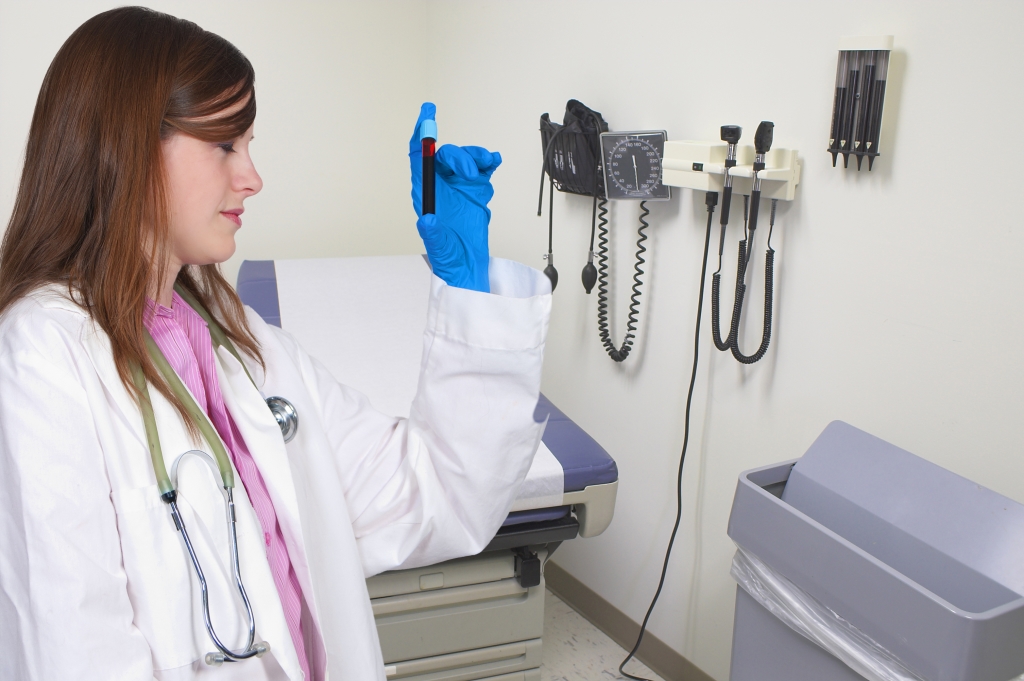
Top Tips from a phlebotomy Training Specialist: Boost Your Skills & Jumpstart Your Healthcare Career
Starting a career in healthcare as a phlebotomist can be incredibly rewarding. With teh right training and skills, you can open doors to diverse medical environments, from hospitals to laboratories. Whether you’re new to phlebotomy or seeking to refine your techniques, gaining insights from seasoned training specialists can give you the edge needed to excel. This complete guide shares expert tips to boost your blood collection skills, improve patient interactions, and jumpstart your healthcare journey.
Introduction
Phlebotomy plays a crucial role in healthcare, facilitating vital diagnostic testing through blood collection.However, mastering this skill requires not only technical proficiency but also confidence, patient care, and attention to detail. As a training specialist, I’ve observed what makes successful phlebotomists stand out. In this article, I will share top practical tips, best practices, and personal insights to help you elevate your phlebotomy skills and build a thriving healthcare career.
Why Phlebotomy Skills Are Essential for a Healthcare Career
proficiency in phlebotomy offers numerous benefits, including:
- high demand for trained professionals in healthcare settings
- opportunities for career advancement within medical laboratories and clinics
- Foundational skills applicable in various medical roles
- Personal satisfaction from providing essential patient care
Developing strong phlebotomy skills not only makes you a valuable team member but also sets the stage for a successful future in healthcare.
Top Tips to Boost Your Phlebotomy Skills
1. Master Basic Blood Collection Techniques
Fundamentals are the building blocks of proficiency. As a trainee, focus on honing the core skills such as:
- Proper tourniquet request for vein visibility
- correct needle insertion angles (usually 15-30 degrees)
- Choosing the right collection tubes for tests
- Ensuring proper label placement and sample handling
Practice repeatedly to develop muscle memory and reduce patient discomfort. remember, precision and confidence come from consistent practice.
2. Invest in Patient Comfort and Communication
Establishing rapport is key to successful blood draws. tips include:
- Introducing yourself politely and explaining the procedure
- Asking about allergies or past difficulties with blood draws
- Calming anxious patients with reassurance
- Using gentle touch to minimize discomfort
Patients appreciate caring and professional interaction, which also reduces movement and enhances safety during collection.
3. Utilize Proper Equipment and Maintain Hygiene
Invest in quality tools and adhere to strict hygiene standards:
- Use sterile needles and correctly dispose of sharps
- Keep equipment organized and readily accessible
- Follow infection control protocols diligently
Proper hygiene not only ensures safety but also reflects your professionalism.
4. Practice Safe and Accurate Technique
Always double-check patient identities, test orders, and collection procedures. Verify labels and avoid errors through meticulous attention to detail. Remember, accuracy prevents sample rejection and delays in diagnosis.
5.Continuous Learning and Certification
Stay updated with industry standards and seek additional certifications or workshops. Online courses, seminars, and hands-on practice sessions can deepen your expertise and keep you current with evolving best practices.
Benefits of Effective Phlebotomy Training
| Benefit | Description |
|---|---|
| Increased Confidence | Proficiency fosters confidence in sample collection and patient interactions. |
| Higher Job Satisfaction | efficient blood draws lead to smoother workflows and happier patients. |
| Career Advancement | Strong skills pave the way for supervisory roles and specialization opportunities. |
Practical Tips from a Training Specialist
- Always carry a set of backup supplies (extra needles,tourniquets) to avoid delays.
- Maintain a professional yet friendly demeanor, reassuring nervous patients.
- Practice visualization techniques to prepare mentally before each procedure.
- Ask for feedback from supervisors to identify areas for enhancement.
- Engage in peer review sessions to learn new techniques and share experiences.
Case Study: From Novice to Expert Phlebotomist
Jane, a newly certified phlebotomist, struggled initially with patient anxiety and tricky veins. She dedicated extra time to practicing blood draw techniques, attended communication workshops, and sought regular feedback. Over three months, her confidence grew, and her success rate improved by 35%. Today, Jane is a lead phlebotomist, recognized for her skill and patient care.
first-Hand Experience: What I’ve Learned as a Phlebotomy Training Specialist
Through years of training aspiring professionals, I’ve learned that patience, practice, and a genuine desire to help patients are the keys to success.No matter how technically skilled you become, empathy and effective communication make the difference. Remember, each blood draw is an chance to improve and make a positive impact in someone’s health journey.
conclusion
Embarking on or advancing in a healthcare career as a phlebotomist requires dedication,continuous learning,and a caring attitude.By mastering essential techniques, prioritizing patient comfort, and seeking ongoing education, you can substantially boost your skills. The tips shared by a phlebotomy training specialist serve as a roadmap to becoming a confident, competent, and valued healthcare professional. Start applying these strategies today, and take a confident step toward a rewarding career in healthcare!
Ready to elevate your phlebotomy skills?
Explore our comprehensive training programs and become a certified expert in blood collection. Contact us today to learn more!