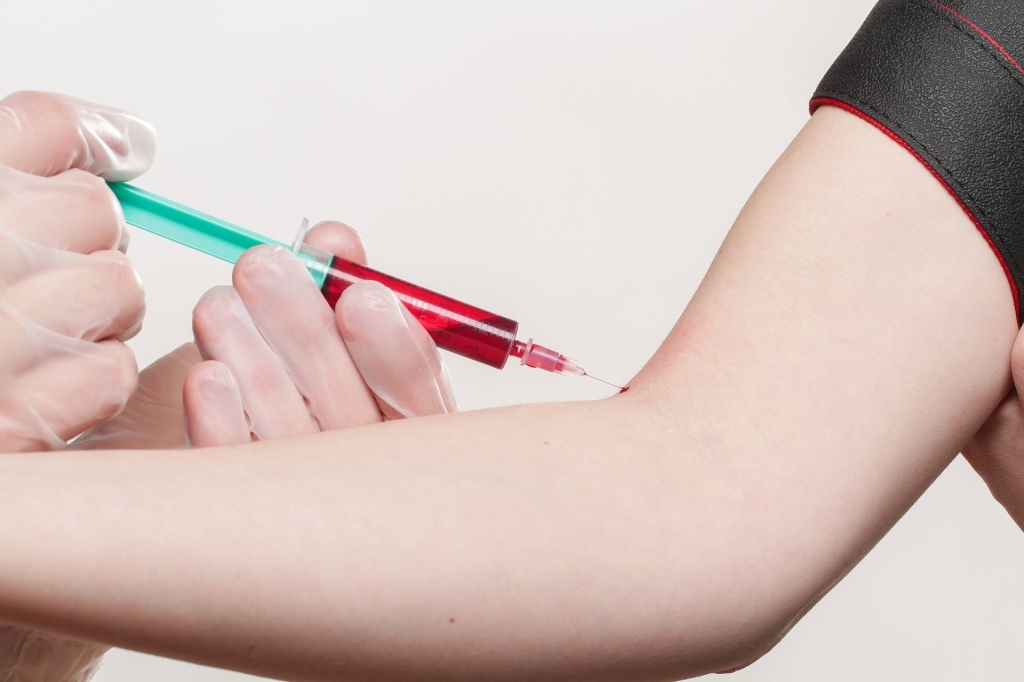
Mastering Phlebotomy and EKG Skills: Essential Tips for Healthcare Professionals
In the fast-paced world of healthcare, proficiency in phlebotomy and EKG (electrocardiogram) skills is crucial for delivering accurate diagnoses and quality patient care.These technical skills not only enhance a healthcare professional’s reliability but also open doors to career advancement and specialization. Whether you’re just starting your journey or seeking to refine your expertise,this thorough guide provides essential tips,practical advice,and insights into mastering these vital clinical procedures.
Introduction
Phlebotomy and EKG are cornerstones of many medical settings, including hospitals, clinics, and diagnostic laboratories. they require a combination of technical skill,attention to detail,and compassionate patient interaction. Mastering these skills ensures reliable lab results and accurate cardiac assessments, ultimately improving patient outcomes. This article explores effective strategies, benefits, case studies, and firsthand experiences to help healthcare professionals excel in these areas.
Understanding the Importance of Phlebotomy and EKG Skills
Before diving into tips and techniques, it’s essential to understand why proficiency in these skills matters:
- Accurate Diagnoses: Proper blood collection and EKG interpretation are vital for diagnosing conditions like anemia, infections, heart diseases, and arrhythmias.
- Patient safety and Comfort: Skilled practitioners minimize discomfort and prevent complications such as infections or hematomas.
- Professional Confidence: Mastery builds confidence, enhances your reputation, and boosts job satisfaction.
- Career Opportunities: many healthcare roles seek competent phlebotomists and EKG technicians, offering room for specialization and growth.
Essential Tips for Mastering Phlebotomy Skills
1. Understand Anatomy and Proper Site Selection
A solid understanding of anatomy, especially blood vessel locations, is fundamental. The median cubital vein is usually the first choice, followed by the cephalic or basilic veins. Ensure you select a site that is accessible, prominent, and free of infections or scars.
2. Use Correct equipment and Techniques
- choose the Right Needle: Use appropriate gauge needles ( typically 21-23G) considering patient size and vein condition.
- Maintain Aseptic Technique: Always sterilize and wear gloves to prevent contamination.
- Perfect the Tourniquet Request: Apply it snugly but not too tight, and keep it on for no longer than one minute.
3. practice Proper Patient Preparation and Comfort
- Communicate clearly and calmly to reduce patient anxiety.
- Ensure the patient is comfortable and relaxed before the procedure.
- Secure the site firmly but gently to prevent movement during blood draw.
4. Master the Technique of Needle insertion
Maintain a stable hand, insert the needle at a 15-30 degree angle, and follow the vein’s trajectory smoothly. Use gentle, steady pressure to draw blood and release the tourniquet promptly once blood flow is established.
5. Practice Safety and Post-Procedure care
- Dispose of sharps promptly into appropriate containers.
- Apply pressure to prevent hematoma formation and instruct patients to keep the bandage on for a few hours.
- Label specimens correctly and document the procedure thoroughly.
Practical Tips for Mastering EKG Skills
1.Understand Cardiac Anatomy and Physiology
Familiarize yourself with the heart’s conduction system, including the sinoatrial (SA) node, atrioventricular (AV) node, bundle of His, and Purkinje fibers. This knowlege is vital for accurate EKG lead placement and interpretation.
2. Proper Lead Placement
Accurate placement of EKG leads ensures clear and interpretable tracings. Follow standardized placement protocols:
- V1 and V2: 4th intercostal space, right and left sternal border
- V3: midway between V2 and V4
- V4: 5th intercostal space at midclavicular line
- V5: horizontal to V4 at anterior axillary line
- V6: horizontal to V5 at midaxillary line
3. Focus on Proper Equipment and Calibration
- Ensure the EKG machine is calibrated accurately.
- Use high-quality electrodes and ensure good skin contact.
- keep the device clean and functioning properly.
4. Maintain Patient Comfort and Co-operation
- Explain the procedure to the patient.
- Encourage relaxation and stillness during recording.
- Address any discomfort immediately.
5. Practice Interpretation Skills
Develop your ability to recognize normal and abnormal rhythms.Use resources like ECG interpretation charts, courses, and practice strips to improve your diagnostic skills.
Benefits of Developing Phlebotomy and EKG Proficiency
| Benefit | Description |
|---|---|
| Enhanced Patient Care | Providing accurate test results and comfortable procedures. |
| Increased Employability | Stand out in the healthcare job market with specialized skills. |
| Career Advancement | Opportunities to move into supervisory or training roles. |
| Personal Confidence | Being well-trained reduces anxiety and improves performance. |
Real-Life case Studies and Practical Experiences
Case Study 1: Prosperous Blood Draw in Tough Venous Conditions
A recent graduate faced a patient with small, fragile veins. using proper site selection, a butterfly needle, and gentle technique, the student successfully collected blood without discomfort or hematoma. This demonstrated the importance of patience and proper technique in challenging cases.
Case Study 2: Accurate EKG Reading Prevents Missed Cardiac Event
An EKG technician identified abnormalities suggestive of atrial fibrillation, prompting immediate medical evaluation. Precise lead placement and interpretation skills directly contributed to early intervention. This emphasizes the crucial role of skill mastery in clinical decision-making.
First-Hand Experience: Tips from Practitioners
“Consistent practice and seeking feedback from experienced colleagues are invaluable. Remember, patience and compassion go hand-in-hand with technical proficiency.” – Jane D., Certified Phlebotomist
“Learning the nuances of EKG interpretation dramatically improved my confidence in clinical settings. Don’t rush-quality over speed is key.” – Mark S., Cardiac Technician
Conclusion
Mastering phlebotomy and EKG skills is a rewarding journey that combines technical expertise with compassionate patient care. As healthcare professionals, honing these essential skills not only elevates your practice but also significantly impacts patient outcomes. Remember, continuous learning, diligent practice, and a patient-centered approach are the pillars of success. Embrace every chance for hands-on experience,stay updated with the latest protocols,and always prioritize accuracy and safety. With dedication and the right strategies, you can become a confident, proficient practitioner who makes a real difference in the lives of your patients.