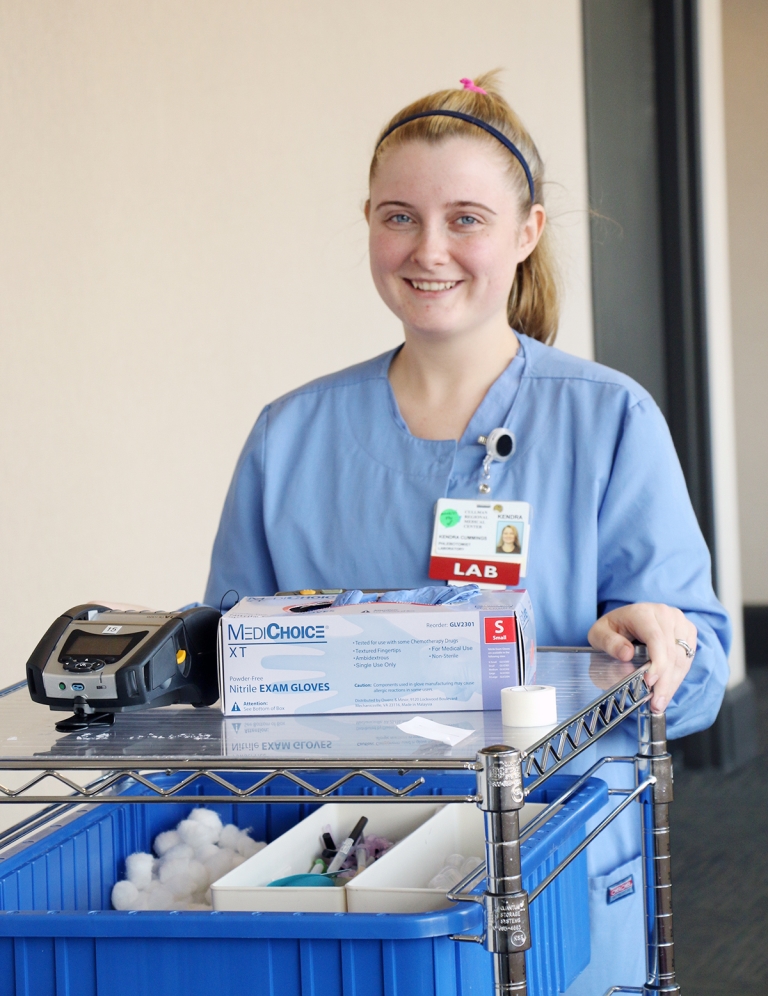
Ultimate Guide to studying Phlebotomy: Tips, Certification Paths, and Career Opportunities
Embarking on a career in phlebotomy is an excellent choice for those passionate about healthcare and patient care. As a vital member of the medical team, phlebotomists play a crucial role in collecting blood samples for testing, diagnosis, and treatment. weather you’re just starting or looking to advance your career, this thorough guide covers everything you need to know about studying phlebotomy, from certification routes and practical tips to career opportunities and personal experiences.LetS begin your journey toward becoming a certified phlebotomist today!
Why Choose a Career in Phlebotomy?
Phlebotomy offers a rewarding career path with numerous benefits,including flexible working hours,employment stability,and the prospect to make a tangible difference in patients’ lives.It’s an accessible healthcare profession that typically requires less time and financial investment compared to other medical careers.
- High demand: Healthcare facilities continuously need trained phlebotomists, offering job security.
- Entry-level friendly: Short training programs and certification options make it accessible for newcomers.
- Advancement opportunities: Experience can lead to roles like supervisory positions, training, or specialized medical fields.
Understanding the Basics of Phlebotomy
Phlebotomy involves more than just drawing blood.It requires skill, attention to detail, proper patient dialog, and adherence to safety standards. Key skills include:
- Proper venipuncture techniques
- Patient identification and communication
- Specimen handling and labeling
- Understanding infection control procedures
- Managing stressful situations calmly and efficiently
steps to Study Phlebotomy Effectively
1. Research Accredited Phlebotomy Programs
Start by choosing a reputable training program accredited by recognized bodies like the National Accrediting Agency for Clinical Laboratory Sciences (NAACLS) or similar organizations. Accreditation ensures the program meets industry standards and prepares you for certification exams.
2. Enroll in a Training Program
Most programs offer courses that combine classroom instruction with practical hands-on training. These programs typically last from a few weeks up to several months, focusing on venipuncture, capillary puncture, anatomy, and safety practices.
3.Gain Practical Experience
Hands-on practice is essential. During training, you’ll work under supervision in laboratory settings or healthcare facilities, developing confidence and proficiency in blood collection techniques.
4. Prepare for Certification Exams
Certification validates your skills and enhances employment prospects. Many certification boards offer exams for entry-level and advanced phlebotomists. Preparation often involves review courses, practice tests, and studying clinical procedures.
5. Maintain Certification with Continuing Education
Staying current ensures your skills remain sharp and up-to-date with industry standards. Many certifying agencies require continuing education credits periodically.
Certification Paths in Phlebotomy
Obtaining certification is a critical step in establishing credibility and enhancing job prospects.Here’s an overview of common certification paths:
| Certification Board | Requirements | Exam focus |
|---|---|---|
| American Society for clinical Pathology (ASCP) | High school diploma, completed approved training program, 100+ supervised draws | Blood collection techniques, safety, specimen processing |
| National Healthcareer Association (NHA) | Completion of accredited training program, 40 supervised venipunctures | Venipuncture, capillary puncture, specimen handling |
| American Medical Technologists (AMT) | Grad of approved program or on-the-job experience, 40 venipunctures | Blood draws, safety, patient interaction |
How to Choose the Right Certification Program
When selecting a certification program, consider the following:
- Accreditation: Ensure the program is accredited by reputable agencies.
- Curriculum: Look for comprehensive courses covering both theory and practical skills.
- Cost and Duration: Compare program fees and length to fit your schedule and budget.
- Job Placement Support: Some programs offer assistance with internships and job placement.
Career Opportunities for Certified Phlebotomists
Once certified, the job landscape for phlebotomists is broad and growing. Common employment settings include:
- Hospitals and clinics
- Diagnostic laboratories
- Blood donation centers
- Primary care offices
- Capitol medical research facilities
Typical Roles and Salary Expectations
entry-level phlebotomists can expect competitive salaries that vary based on location and experience. According to data,the average annual salary is around $36,000,with opportunities for growth into supervisory roles or specialized fields such as immunohematology or research.
Benefits of Being a Certified Phlebotomist
- High employment stability due to ongoing healthcare needs
- Opportunities for professional development and specialization
- Being part of a compassionate healthcare team
- Flexibility in work schedules
Practical Tips for Aspiring Phlebotomists
- Practice consistently: The more blood draws you perform, the more confident you’ll become.
- Develop strong patient communication skills: Empathy and reassurance foster cooperation and lessen patient anxiety.
- Stay organized: Accurate labeling and documentation are crucial.
- Prioritize safety: Always follow infection control and safety protocols.
- Continue learning: Attend workshops and seminars to stay current with new techniques and standards.
Personal experiences & Case Studies
Jane’s Journey to Becoming a Certified Phlebotomist
Jane was initially unsure about her career in healthcare but found a passion for phlebotomy after volunteering at a local clinic. She enrolled in an accredited training program, passed her certification exam, and now works in a busy hospital laboratory. Jane emphasizes that building patient trust and honing technical skills where key to her success.
Conclusion
Studying phlebotomy is a fulfilling and accessible entry into the healthcare field. By following structured training, obtaining certification, and gaining practical experience, you can unlock diverse career opportunities in medical laboratories, hospitals, and clinics. Remember, continuous learning and dedication are essential to success in this vital healthcare role. Whether you’re starting your journey or seeking to advance, the world of phlebotomy offers stability, growth, and the rewarding experience of making a difference in patients’ lives. Begin your path today and embrace the rewarding career of a professional phlebotomist!