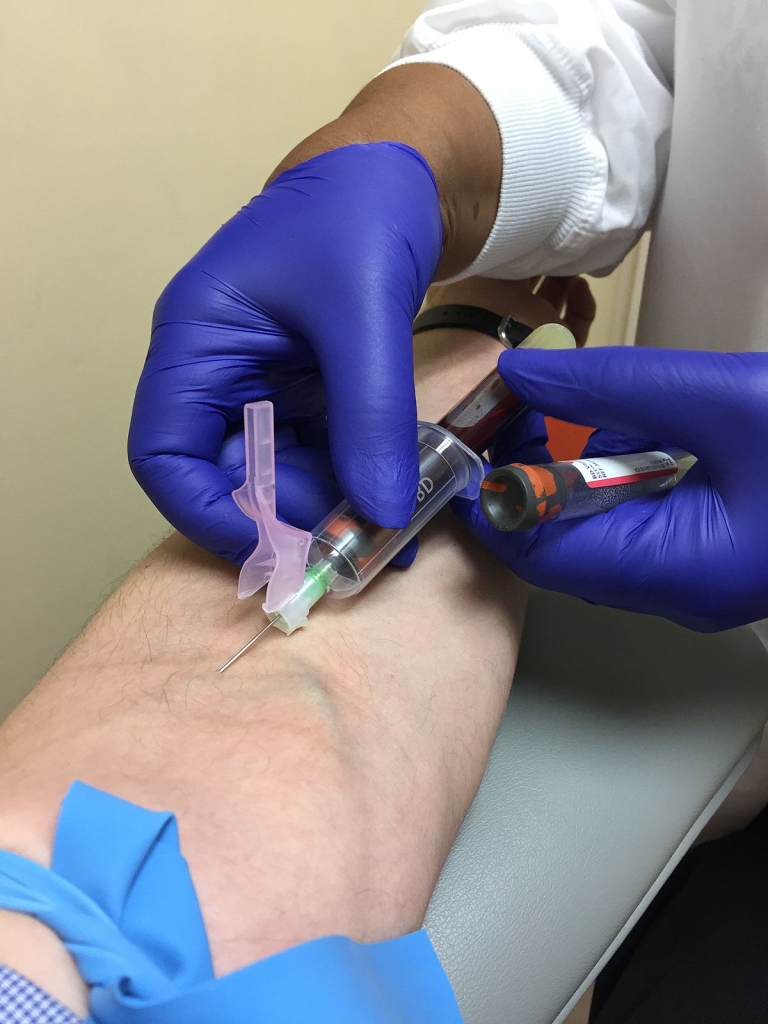
how Much Does It Cost to Become a Phlebotomist? Complete Guide to Training Expenses and Certification Fees
Embarking on a career as a phlebotomist can be a rewarding journey into the healthcare industry. These trained professionals play a vital role in medical diagnostics by drawing blood samples accurately and efficiently. however, many aspiring phlebotomists wonder, how much does it cost to become a phlebotomist? In this comprehensive guide, we will explore the various expenses involved-covering training programs, certification fees, and other costs-so you can plan your career path effectively.
Understanding the Role and Certification of a Phlebotomist
Phlebotomists are healthcare professionals specialized in collecting blood samples for tests, transfusions, donations, or research. certification, while not always mandatory, is highly recommended as it increases employability and credibility. Certification requirements vary by state and employer, but generally involve completing a training program and passing an exam.
Breaking Down the Costs to Become a Phlebotomist
1. Training Program Expenses
The first importent investment for aspiring phlebotomists is completing a formal training program. These programs are typically offered by community colleges, technical schools, vocational schools, or online platforms. The costs vary based on the program length, provider, and geographic location.
| Training Type | average Cost | Duration |
|---|---|---|
| In-person Community College Programs | $600 - $2,500 | 4-12 weeks |
| Online Phlebotomy Courses | $500 – $2,000 | Varies, typically 4-8 weeks |
| Private Vocational Schools | $1,000 – $4,000 | 2-6 weeks |
2. Certification Exam Fees
After completing your training, obtaining certification is a crucial step. The most recognized certifying agencies include the American Society for Clinical Pathology (ASCP), National Phlebotomy Association (NPA), and American Medical Technologists (AMT).
Exam fees typically range from $70 to $150.Some organizations offer bundled packages that include training and exam fees or discounts for members or students.
3. Licensing and State Registration Fees
Supportive of your professional credentials, some states require phlebotomists to be licensed or registered. The costs vary by state, generally between $50 and $150. Check your state’s Department of Health for specific licensing requirements.
4. Additional Costs to Consider
- Background Checks and Immunizations: $50 – $200
- Lab Supplies and Equipment: some programs include supplies; if not, expect to spend $50 – $300 on gloves, lancets, tubes, etc.
- CPR Certification: $50 – $100, frequently enough a requirement for certification and employment.
Estimated Total Cost to Become a Certified Phlebotomist
Adding up all the components, the typical cost to start a career as a phlebotomist ranges from $1,000 to $5,000. Here is a quick overview:
| Cost Component | Estimated Range |
|---|---|
| Training Program | $600 – $4,000 |
| Certification Exam | $70 – $150 |
| Licensing/Registration | $50 – $150 |
| Additional Supplies & Certifications | $50 – $300 |
| Total Estimated Cost | $1,000 – $5,000 |
Practical Tips for Managing Training Expenses
- Research Local Programs: Community colleges and technical schools may offer affordable options, sometimes with financial aid.
- Online courses: Consider reputable online programs to save on commuting and accommodation costs.
- apply for Scholarships or Grants: Look for healthcare-based scholarships or financial assistance programs.
- Take Advantage of Employer Sponsorships: Some clinics or hospitals sponsor training in exchange for a commitment to work for them upon certification.
Benefits of Becoming a Certified Phlebotomist
Investing in your training and certification opens doors to multiple career benefits:
- Job Stability: Certified phlebotomists are in high demand due to ongoing healthcare needs.
- Competitive Salary: Average salaries range from $30,000 to $40,000 per year, with potential for growth.
- Adaptability: Many phlebotomists enjoy part-time, full-time, or travel opportunities.
- Foundation for Advancement: Certification can lead to roles such as medical assistants, lab technicians, or healthcare administrators.
First-Hand Experience and Case studies
Many prosperous phlebotomists started with modest investments in training. Such as,Jane Doe,a certified phlebotomist from Ohio,invested approximately $2,000 in her training program and certification. She secured her first job within three months and now earns $35,000 annually, with plans to pursue further certifications for career advancement.
This case underlines that while initial costs are an investment, the career benefits and earning potential make it worthwhile.
Conclusion
Becoming a certified phlebotomist is a practical and rewarding pathway into healthcare, with training expenses ranging from $1,000 to $5,000 depending on your choice of program, location, and additional costs. Carefully researching your options, applying for financial aid, and gaining practical experience can definitely help you manage these expenses effectively. Ultimately, the investment in your education and certification can lead to a stable, fulfilling career with numerous opportunities for growth in the healthcare industry.
Ready to start your journey? Plan your budget wisely, choose accredited programs, and take the first step toward a promising career as a professional phlebotomist today!