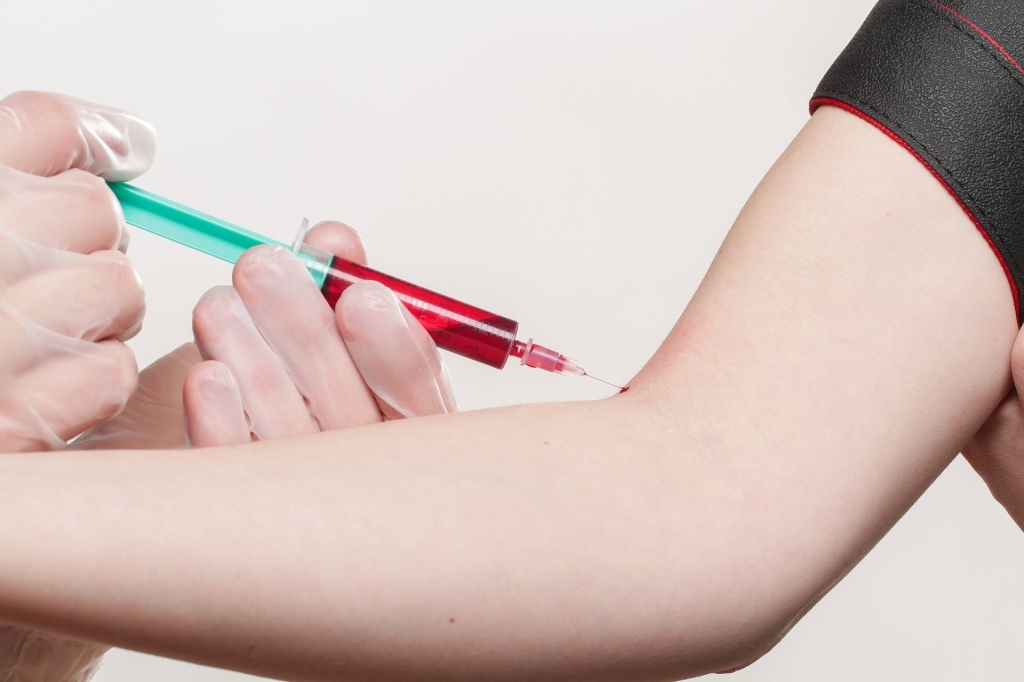
how to Become a Phlebotomy Technician: Your Complete Guide to Starting a Healthcare Career
Are you interested in a rewarding career in healthcare that involves patient interaction, blood collection, and diagnostics? Becoming a phlebotomy technician is an excellent choice for those looking to enter the medical field quickly and efficiently. this complete guide will walk you through the essential steps, training requirements, certification processes, and practical tips to launch your career as a skilled phlebotomy technician.
Introduction to Phlebotomy and Its Role in Healthcare
Phlebotomy technicians, also known as venipuncture specialists, play a critical role in the healthcare system. They are responsible for collecting blood samples from patients for laboratory testing, blood donations, or research purposes.Their work is vital in diagnosing illnesses, monitoring health conditions, and supporting medical research. If you’re compassionate, detail-oriented, and enjoy healthcare settings, becoming a phlebotomy technician can be a fulfilling career path.
Why Pursue a Career as a Phlebotomy Technician?
- Rapid Entry into Healthcare: Most training programs can be completed within a few months.
- High demand: The healthcare industry continues to grow, increasing job opportunities for phlebotomists.
- Good Earning Potential: median salaries are attractive, with opportunities for advancement.
- Personal Fulfillment: Helping patients and contributing to critical health diagnostics.
step-by-Step Guide to Becoming a Phlebotomy Technician
1. Meet Basic Educational Requirements
Most phlebotomy programs require a high school diploma or GED. Having a background in biology or health sciences can be beneficial but is not always mandatory.
2. Enroll in a Certified Phlebotomy training Program
Find a reputable training program accredited by organizations such as the National Accrediting Agency for Clinical Laboratory Sciences (NAACLS). These programs typically cover:
- Basic anatomy and physiology
- Blood collection techniques
- Safety protocols and infection control
- Patient interaction and communication skills
- legal and ethical considerations
3. Complete Hands-On Practical Training
Most programs include supervised clinical practice, allowing students to gain real-world experience under expert guidance.
4. Obtain Certification (Optional but Recommended)
Although certification requirements vary by state, earning a certification enhances employability and credibility. The National Healthcareer Association (NHA) offers the Certified Phlebotomy Technician (CPT) credential, wich is widely recognized.
| Certification Body | Eligibility Requirements | Exam Details |
|---|---|---|
| NHA | Completion of accredited training and clinical hours | Multiple-choice exam, 100 questions |
5. Obtain State Licensure (If Required)
Some states, such as California and Louisiana, require phlebotomists to hold a license or permit. Check your state’s licensure rules and fulfill any additional requirements.
6. Start Your Job Search
With training and certification in hand, begin applying for phlebotomy technician jobs in hospitals, clinics, laboratories, or blood donation centers. Building experience can lead to supervisory roles or specialization in areas like pediatric or arterial blood draws.
skills and Qualities of a Triumphant Phlebotomy Technician
- Strong communication skills
- Attention to detail and accuracy
- Patience and compassion
- Physical dexterity and stamina
- Knowledge of safety protocols and sterilization techniques
Benefits and practical Tips for Aspiring Phlebotomists
Here are some valuable tips to help you succeed in your training and career:
- Learn Proper Technique: Practice venipuncture skills diligently to ensure patient comfort and safety.
- Develop Strong Interpersonal Skills: Good bedside manner makes a significant difference in patient cooperation.
- Stay Informed on Industry Standards: Keep updated with new safety guidelines and technological advancements.
- Network with Professionals: Join healthcare associations or local job groups for insights and opportunities.
- Prioritize Continuing Education: Attend workshops and refresher courses to maintain certification and improve skills.
Case Study: From Student to Certified Phlebotomist
Meet Sarah, who decided to pursue phlebotomy after volunteering at her local hospital.She enrolled in a nationally accredited training program, completed her clinical hours, and earned her NHA certification. Within three months,she secured a position at a community clinic. Sarah emphasizes that her compassionate approach and continuous learning helped her excel and advance into supervisory roles.
First-Hand Experience: What It’s Like to Work as a Phlebotomy Technician
Working as a phlebotomist involves interacting with diverse patients, some anxious or fearful of needles. Patience and reassurance are key. You’ll learn to handle different blood draw techniques, troubleshoot issues like collapsed veins, and maintain sterile environments. the job can be physically demanding but equally rewarding, especially when you help facilitate important medical diagnoses.
Conclusion
Becoming a phlebotomy technician offers a fast-track possibility into the healthcare industry with excellent employment prospects and personal growth. By following the right educational pathways, obtaining relevant certifications, and honing critical skills, you can build a successful and fulfilling career.Whether you’re just starting or considering a career change, phlebotomy is a practical and impactful way to serve others while achieving your professional goals.