Is Phlebotomy School Arduous? What You Need to Know Before Starting
Embarking on a career as a phlebotomist can be an excellent choice for those interested in the healthcare field. But before jumping in, many prospective students ask: Is phlebotomy school difficult? The answer depends on various factors, including your background, learning style, and dedication. In this comprehensive guide, we’ll explore the challenges of phlebotomy training, what you can expect, practical tips for success, and how to prepare effectively.
Understanding What Phlebotomy School Entails
What Is Phlebotomy?
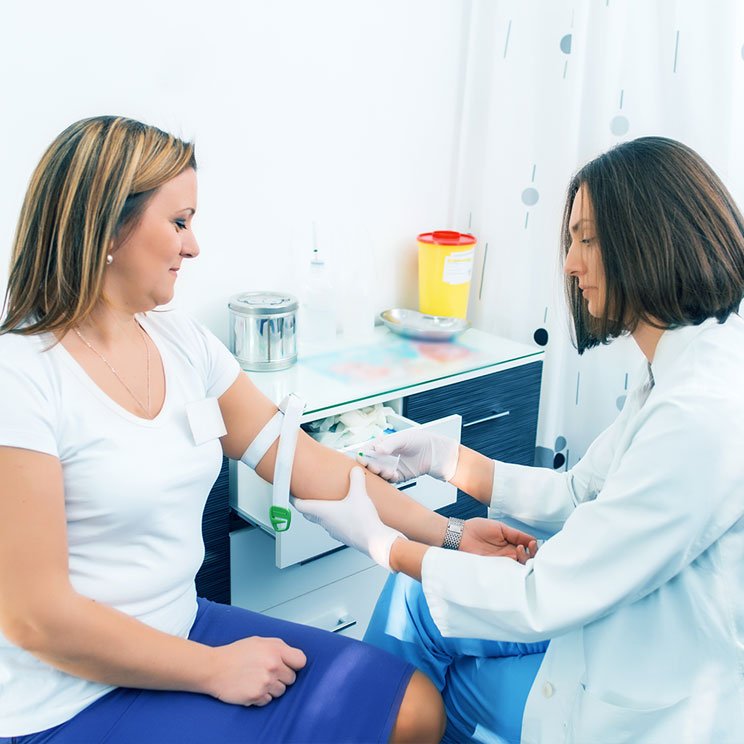
Phlebotomy involves drawing blood samples from patients for testing, transfusions, donations, or research. It requires both technical skills and excellent patient communication. because of its vital role in healthcare,phlebotomy is a highly respected and in-demand profession.
Typical Structure of Phlebotomy Training
- Classroom Instruction: Learning anatomy,safety protocols,and blood collection techniques.
- Laboratory Practice: Hands-on practice with needles, tubes, and mannequins.
- Externship/Internship: Real-world experience under supervision in medical facilities.
- Certification Planning: Preparing for national or state certification exams.
Is Phlebotomy School Difficult?
Common Challenges Faced During Phlebotomy training
Many students wonder if phlebotomy school is difficult. Generally, the difficulty level varies based on individual aptitude, prior experience, and the quality of the programme. Some common hurdles include:
- Learning Needle Techniques: Mastering proper insertion angles and handling patient discomfort.
- Gaining Confidence: Overcoming anxiety related to needle use and patient interactions.
- Understanding Medical Terminology: Acquiring the health-related vocabulary needed for communication and documentation.
- Meeting Certification Requirements: Passing challenging exams that test your knowledge and skills.
Factors Influencing the Difficulty level
| Factor | Impact on Difficulty |
|---|---|
| Prior healthcare Experience | Can ease learning curve, provide familiarity with medical settings |
| Learning Style | Hands-on learners may find practical sessions easier, while theory-focused students might need extra review |
| Program Quality | Well-structured, interactive programs tend to be less challenging |
| Personal Motivation | High motivation and dedication considerably reduce perceived difficulty |
Practical Tips To Make Phlebotomy School Easier
1. Choose the Right Program
Research different phlebotomy training schools, focusing on accreditation, curriculum quality, and student reviews. A reputable program will make learning more manageable.
2. Commit Fully and Stay Disciplined
Set a study schedule, participate actively in classes, and practice regularly to build confidence and competence.
3. Practice Patient Interaction Skills
Effective communication and empathy are vital. Role-playing scenarios can definitely help prepare you for real-life interactions.
4. Prepare for Certification Exams
Use practice tests and review materials early to familiarize yourself with exam formats and expectations.
5. Seek Support and Mentorship
Connect with instructors, classmates, or experienced phlebotomists for guidance, encouragement, and practical advice.
Benefits of becoming a Phlebotomist
- Job Security: High demand for healthcare professionals ensures stable employment opportunities.
- Short Training Period: Phlebotomy school typically lasts a few months, allowing quick entry into the workforce.
- Rewarding work: You play a crucial role in diagnosing and treating patients, which is highly rewarding.
- Flexible careers: Opportunities to work in hospitals,clinics,blood banks,and mobile phlebotomy services.
First-Hand Experience: A Student’s Viewpoint
“Initially, I was nervous about sticking the needle, but with proper training and practice, I felt confident. The hands-on skills I learned in school prepared me well for working in the lab,” says Sarah,a recent graduate. Her experience highlights that while phlebotomy school can be challenging, with the right mindset and support, success is achievable.”
summary: What You Need to Know Before Starting
to summarize, whether phlebotomy school is difficult depends on your preparation, attitude, and the program you choose.It involves technical learning, practical application, and patient interaction, but it is indeed frequently enough manageable with dedication. Remember these key points:
- Research accredited, reputable programs
- Practice regularly and seek mentorship
- prepare thoroughly for certification exams
- Maintain a positive mindset and stay motivated
Conclusion
while phlebotomy school presents its fair share of challenges, it is not insurmountable for motivated individuals. Whether your new to healthcare or transitioning careers, proper preparation and practical skills growth will set you up for success. Becoming a certified phlebotomist can lead to fulfilling employment in the healthcare sector, contributing directly to patient care. So, if you’re considering this path, go ahead-learning what it takes and preparing adequately will make your journey into phlebotomy much smoother and more rewarding.