How to Draw Blood: Expert Tips for Phlebotomy Success
Drawing blood,also known as phlebotomy,is a fundamental skill for healthcare professionals,laboratory technicians,and aspiring phlebotomists. Proper technique not only ensures accurate test results but also guarantees patient comfort and safety. Whether you are just starting your journey or looking to refine your skills,this thorough guide provides essential tips and insights into the art of blood collection. Discover how to draw blood effectively and confidently with expert advice tailored for success.
Understanding the Basics of Phlebotomy
Before diving into the detailed techniques, it’s crucial to grasp the basic principles of phlebotomy:
- Anatomy Knowledge: Familiarity with veins, arteries, and surrounding structures.
- Equipment Mastery: Knowing your tools-needles,vials,tourniquets,and alcohol swabs.
- Patient care: Ensuring patient comfort and safety throughout the procedure.
Essential Equipment for Blood Collection
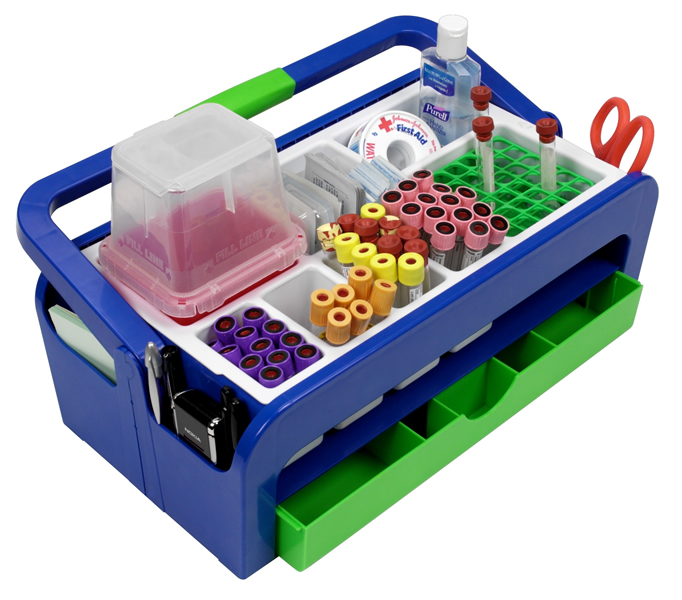
Having the right tools at hand is vital for a successful blood draw.Here’s what you’ll need:
- Guided tourniquet (elastic or Velcro)
- Swabs with 70% isopropyl alcohol
- Needles of appropriate gauge (usually 21-23G)
- vacutainer or syringe collection system
- Blood collection tubes (preferably labeled)
- Gauze pads and adhesive bandages
- Sharps disposal container
Step-by-Step Guide on How to Draw Blood
1. Prepare the Patient and Equipment
- Introduce yourself and explain the procedure to the patient.
- Wash your hands thoroughly and wear gloves.
- Gather all necessary equipment and organize your workspace.
2. Select the Appropriate Vein
Common veins used in phlebotomy include the median cubital vein,cephalic vein,and basilic vein.The median cubital vein is preferred because it is usually more prominent, tends to bleed less, and is less painful for the patient.
- Apply the tourniquet approximately 3-4 inches above the puncture site to dilate the vein.
- Ask the patient to make a fist to help protrude the vein.
3. Palpate and Locate the Vein
Use your index finger to gently palpate the selected vein. It should feel soft, bouncy, and easy to access. Avoid areas that are tender, scarred, or collapsed.
4. Prepare the Site
- Cleanse the skin with alcohol swab using a circular motion from the center outward.
- Allow the site to air-dry wholly to prevent alcohol from diluting the blood sample.
5. Insert the Needle
- Hold the skin taut with your non-dominant hand.
- insert the needle at a 15-30 degree angle into the vein, bevel side up.
- Maintain steady, delicate pressure; avoid excessive force which can cause hematoma or pain.
6. Collect the Blood
- If using a vacuum system, blood will flow automatically into the tube.
- If using a syringe,gently pull back the plunger to draw blood.
- Fill the tubes in the correct order to prevent cross-contamination.
7. Remove the Needle and Apply Pressure
- Once enough blood has been collected,withdraw the needle smoothly.
- Immediately apply pressure to the puncture site with gauze.
- Ask the patient to hold pressure for at least 2 minutes or longer if necessary.
8. Label and Handle the Samples Properly
Label the blood tubes immediately with the patient’s information, date, and time. handle the samples carefully for transportation to the laboratory.
Practical Tips for Successful Blood Draws
- Choose the right vein: Experience makes perfect, but generally aim for the median cubital vein.
- Use gentle techniques: Avoid excessive probing or multiple punctures.
- Maintain patient comfort: Communicate and reassure the patient throughout the process.
- Watch for signs of hematoma: If bruising occurs, apply continued pressure and monitor.
- Practice good hygiene: Always wear gloves and sanitize your hands.
- Stay organized: Prepare all equipment beforehand to streamline the procedure.
Benefits of Proper Blood Collection Techniques
| benefit | Description |
|---|---|
| Accurate Lab Results | proper technique minimizes contamination, hemolysis, and dilution, ensuring reliable results. |
| Enhanced Patient Comfort | Gentle handling reduces pain and anxiety for the patient. |
| Safety | Adherence to safety protocols prevents needlestick injuries and cross-infections. |
| Efficiency | Hones your skills for swift,effective blood draws in various clinical settings. |
Case Studies: Real-Life Phlebotomy Success Stories
Many healthcare professionals have improved their blood collection skills through practice and training. Here’s one example:
Case Study: Improving Blood Collection at Community Clinic
Jane, a new phlebotomist, struggled with difficult veins and patient anxiety. After attending a hands-on training workshop focusing on vein selection and patient communication, her success rate increased by 30%. She emphasizes the importance of calm communication and proper needle techniques for patient satisfaction and sample quality.
First-Hand Experience: Tips from Professional Phlebotomists
Many seasoned professionals recommend the following:
- Practice makes perfect-regularly perform blood draws in supervised settings.
- Stay updated on new equipment and techniques.
- Develop good communication skills to ease patient fears.
- Always double-check labels and sample handling procedures.
Conclusion
Mastering the art of drawing blood requires a combination of knowledge, skill, and compassion. By following these expert tips for phlebotomy success, new and experienced professionals alike can improve their technique, ensure patient safety, and achieve accurate laboratory results. Remember, practice and continuous learning are key to becoming a confident and proficient phlebotomist. Whether you are preparing for certification or refining your skills, applying these principles will set you up for success in the vital task of blood collection.