How to Become a Phlebotomist: Step-by-Step training Guide for Aspiring Medical Professionals
Are you interested in pursuing a rewarding career in the healthcare industry? If so, becoming a phlebotomist could be an excellent choice. Phlebotomists play a crucial role in medical diagnostics by collecting blood samples for testing, which helps diagnose illnesses and monitor health. This step-by-step guide will walk you through the essential steps, training requirements, certifications, and practical tips to kickstart your journey into the world of phlebotomy.
What Is a Phlebotomist?
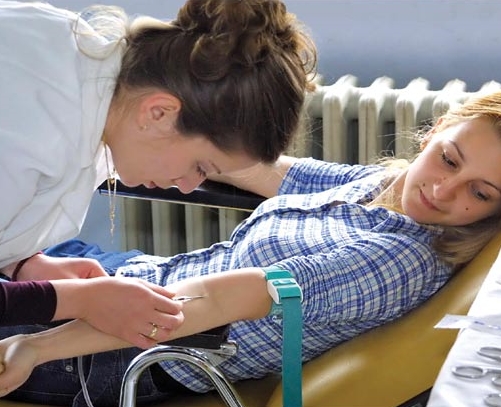
A phlebotomist is a trained medical professional specialized in drawing blood from patients for laboratory testing, transfusions, donations, or research purposes. They work in various healthcare settings, including hospitals, clinics, laboratories, blood banks, and dialysis centers. Accurate and compassionate blood collection is vital for patient safety and diagnostic accuracy.
Why Pursue a Career as a Phlebotomist?
- High demand for qualified phlebotomists across healthcare facilities.
- Entry-level opportunities wiht quick training programs.
- Competitive salary with room for advancement.
- Opportunity to make a difference in patients’ lives by providing essential diagnostic services.
- Flexible work hours in many roles, including part-time and shifts.
Step-by-Step Guide to Becoming a Phlebotomist
Step 1: Understand the Role and Requirements
Before diving into training, it’s significant to familiarize yourself with the responsibilities and prerequisites of a phlebotomist. Typical requirements include:
- Being at least 18 years old.
- Having a high school diploma or GED.
- Possessing good communication and interpersonal skills.
- Demonstrating manual dexterity and attention to detail.
- Passing a background check and drug screening (varies by state or employer).
Step 2: Enroll in a Certified Phlebotomy Training Program
the next step involves completing a formal training program. These programs are available through community colleges, vocational schools, technical institutes, and online platforms. Look for programs accredited by recognized bodies such as the National Accrediting agency for Clinical Laboratory Sciences (NAACLS) or similar organizations.
- Choose between certificate programs, diploma courses, or associate degrees.
- Ensure the program includes both theoretical instruction and practical clinical experience.
- Program durations typically range from a few weeks to several months.
Step 3: Gain Hands-On Clinical Experience
Most training programs include clinical externships or practicum placements. This hands-on experience is crucial for developing skills such as venipuncture, capillary puncture, and specimen handling.
| Clinical Practice Benefits | What You Learn |
|---|---|
| Build confidence in blood collection techniques | Venipuncture, capillary drawing, safety protocols |
| Improve patient interaction skills | Communicating professionally with diverse patients |
| Prepare for certification exams | Real-world experience and troubleshooting |
Step 4: Obtain Certification and Licensure
While certification requirements vary by state, obtaining a national certification as a phlebotomist enhances job prospects and credibility.The most recognized certifications include:
- Certified Phlebotomy Technician (CPT) from the American Society for Clinical Pathology (ASCP)
- Phlebotomy Technician Certification (PBT) from the National Healthcareer Association (NHA)
- Certified Phlebotomy Technician (CPT) from the National Center for Competency Testing (NCCT)
Readiness for certification typically requires completing a training program and passing a comprehensive exam covering blood collection techniques, safety, and specimen handling.
Step 5: Apply for Jobs and Continue Your Education
Once certified, start applying for phlebotomist positions across hospitals, clinics, laboratories, or blood donation centers. Gaining experience can open doors to advanced roles, such as supervisor, trainer, or specialized technician in areas like pediatric or arterial blood collection.
Additional Tips and Practical Advice for Aspiring Phlebotomists
- Practice regularly to improve your skill and confidence in blood draws.
- Maintain professionalism and empathy when working with patients.
- Stay updated on the latest techniques and safety protocols in phlebotomy.
- Join professional organizations like the American Society for Clinical Pathology (ASCP) to network and access resources.
- Prioritize safety by following global precautions and proper disposal of sharps and biohazard materials.
Case Studies: Successful Careers in Phlebotomy
Jane’s Journey from student to Certified Phlebotomist
jane, a high school graduate, enrolled in a 3-month certified phlebotomy program.After completing her externship at a local hospital, she obtained her certification and secured a full-time position. Over the next two years, Jane advanced to a supervisory role, overseeing new hires and training staff.
David’s Specialization in Pediatric phlebotomy
After gaining general experience, David decided to specialize further by completing additional training in pediatric phlebotomy. His compassionate approach in working with children made him a sought-after technician at a children’s hospital, boosting his career prospects.
First-Hand Experience: What It’s Really Like to Be a Phlebotomist
Many experienced phlebotomists emphasize the importance of patience, empathy, and attention to detail. While the job involves some challenges like dealing with nervous patients or difficult venipunctures, the reward of helping diagnose and save lives makes it all worthwhile. Continuous learning and adapting to new technologies are vital for a successful career in this field.
Conclusion
Becoming a phlebotomist is an accessible and fulfilling pathway into the healthcare industry. With proper training,certification,and practical experience,aspiring medical professionals can start a rewarding career dedicated to patient care and vital diagnostics. Whether you’re looking for an entry-level healthcare role or a stepping stone toward further medical education, phlebotomy offers numerous opportunities for growth and personal satisfaction. Start your journey today by exploring accredited training programs and taking proactive steps toward becoming a skilled phlebotomist.