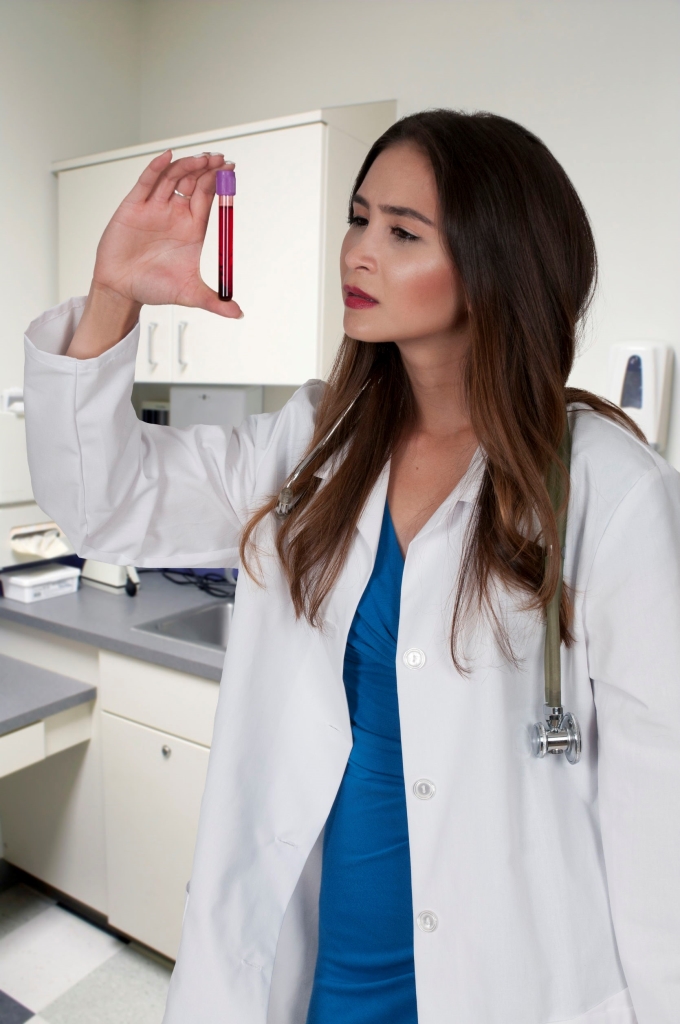
Ultimate Guide to a Phlebotomist Description: Skills, Duties, and Career Insights
Are you considering a career in healthcare that combines technical skills with patient interaction? The role of a phlebotomist might be the perfect fit. This comprehensive guide explores everything you need to know about the phlebotomist profession, including detailed descriptions, essential skills, core duties, career prospects, and practical tips for success.
What Is a Phlebotomist?
A phlebotomist is a healthcare professional specialized in drawing blood samples from patients for medical testing,transfusions,donations,or research purposes. They play a critical role in diagnostic laboratories,hospitals,blood donation centers,and clinics,ensuring that blood collection is performed safely,efficiently,and compassionately.
Core Responsibilities and Duties of a Phlebotomist
The primary duties of a phlebotomist encompass a variety of technical skills and interpersonal tasks.Here’s an overview of the core responsibilities:
| Duty | Description |
|---|---|
| Blood Collection | Properly drawing blood samples using venipuncture or capillary techniques with minimal discomfort. |
| Patient Identification | Confirming patient identity to avoid sample mix-ups, following strict identification protocols. |
| Planning & safety | Preparing equipment, maintaining sterile conditions, and adhering to safety guidelines to prevent infections or accidents. |
| Labeling & Documentation | Accurately labeling samples and maintaining detailed records for tracking and processing. |
| Patient Interaction | Providing reassurance, explaining procedures, and managing anxious or distressed patients professionally. |
| Monitoring & Troubleshooting | observing patients for adverse reactions, troubleshooting collection issues, and reporting concerns to healthcare providers. |
| Sample Handling | Ensuring samples are stored and transported correctly to laboratory facilities for analysis. |
Essential Skills Required for a Phlebotomist
Successful phlebotomists possess a blend of technical expertise and soft skills. Here are the key skills necessary for excelling in this profession:
- Technical Skills – proficiency in venipuncture, capillary collection, and use of medical equipment.
- attention to Detail – accuracy in labeling, documentation, and sample handling.
- Communication Skills – clear explanations and compassionate interaction with patients.
- Patience and Empathy – managing anxious patients with kindness and understanding.
- Physical Endurance – ability to stand for long periods and perform repetitive tasks.
- Knowledge of Safety Protocols – strict adherence to infection control and safety measures.
- Problem-Solving Abilities - addressing collection challenges or patient reactions effectively.
Education and Certification Requirements
Becoming a qualified phlebotomist typically involves specific educational and certification standards:
Educational Pathways
- High school diploma or equivalent (required)
- Phlebotomy training program (ofen offered by community colleges or technical schools)
- Continuing education for specialization or advanced roles
Certification Options
Certification enhances job prospects and credibility. Common certifications include:
- Certified Phlebotomy Technician (CPT) – offered by organizations like the American Society for Clinical Pathology (ASCP) and the National healthcareer Association (NHA)
- Optional state-specific licenses or certifications depending on jurisdiction
Career Outlook and Growth Opportunities
The demand for phlebotomists is steadily increasing, driven by the expanding healthcare sector and laboratory testing needs. The U.S. Bureau of Labour Statistics projects a growth rate of around 10% for phlebotomists through 2030, faster then average for all occupations.
Potential Career Advancement
- Senior Phlebotomist
- Phlebotomy Supervisor
- Medical Laboratory Technician
- Clinical Laboratory scientist
- Healthcare Governance Roles
Benefits of a Career as a Phlebotomist
This profession offers numerous advantages:
- Job Stability – healthcare roles tend to be recession-proof.
- Flexible Schedules – opportunities for full-time, part-time, and evening shifts.
- Fulfilling Work – direct patient care and making a positive impact on health outcomes.
- Competitive Pay – earning potential varies by location and experience.
Practical Tips for Aspiring Phlebotomists
- gain Hands-On Experience – volunteer or seek internships during training.
- Invest in Certification – it validates your skills and enhances employability.
- Prioritize Patient Comfort – develop compassionate communication skills.
- Stay Updated – follow the latest safety protocols and technological advancements.
- Network with Professionals – join associations like the American Society for Phlebotomy Technicians (ASPT) for career growth.
Case Study: A Day in the Life of a Phlebotomist
Meet Sarah, a certified phlebotomist working in a busy hospital outpatient department. Her day involves:
- Greeting patients with a calm smile and explaining procedures clearly.
- Preparing blood collection equipment and verifying patient IDs meticulously.
- Drawing blood with precision,ensuring patient comfort.
- Labeling samples accurately and documenting the process.
- Assisting nervous patients and responding to concerns.
- Reporting any issues with samples or patient reactions to the healthcare team.
Refined yet personable, Sarah exemplifies the vital role phlebotomists play in healthcare diagnostics.
Conclusion
The role of a phlebotomist is essential in the healthcare ecosystem,bridging patient care and vital laboratory diagnostics.With the right skills, proper certification, and a passion for helping others, you can build a rewarding career in this dynamic field. As healthcare continues to evolve, phlebotomists will remain in high demand, offering stability, professional growth, and the chance to make a tangible difference in patients’ lives. Ready to embark on this fulfilling journey? Start with the right training and certifications today!