How to Launch Your Career: Essential Guide to Entry-Level Phlebotomy Positions
Starting a career in the healthcare industry can be rewarding and fulfilling, especially in vital roles like phlebotomy. If you’re considering entering this field, understanding the necessary steps to land your first entry-level phlebotomy position is crucial. This comprehensive guide will walk you through everything you need to know-from educational requirements and certification to practical tips and real-world success stories-to help you launch your career confidently.
What is phlebotomy and Why is It a Great Career Choice?
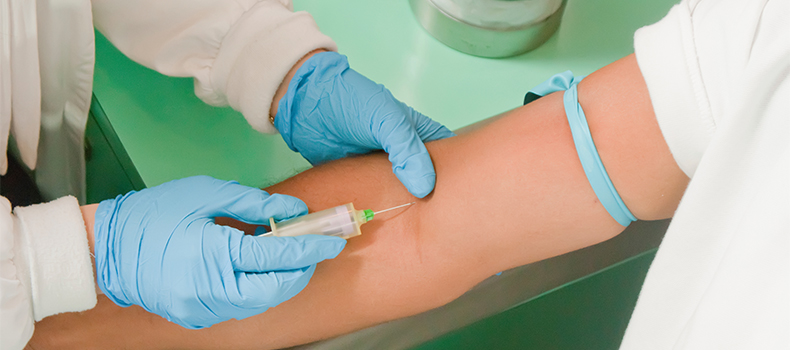
Phlebotomy involves drawing blood from patients for tests, transfusions, or donations. It’s an essential medical skill with high demand across hospitals, laboratories, blood banks, and clinics.Choosing a career as a phlebotomist offers advantages like:
- High job stability
- Relatively swift entry into the healthcare field
- Opportunities for advancement
- Competitive salaries for entry-level roles
Moreover, phlebotomy provides the satisfaction of making a direct impact on patients’ health and well-being.
key Steps to Launch Your Entry-Level Phlebotomy Career
1. Understand the Educational Requirements
While some entry-level positions may not require a college degree, completing a formal phlebotomy training program is highly recommended. These programs prepare you with the clinical skills, patient dialog techniques, and safety protocols necessary for the job.
Typical educational pathways include:
- High school diploma or GED
- Completion of a certified phlebotomy training program
Training programs usually last from a few weeks to a few months and include both classroom instruction and hands-on practice.
2.Obtain Professional Certification
Certification considerably boosts your employability and credibility as a phlebotomist. Most employers prefer candidates with nationally recognized credentials.
Popular certifying bodies include:
- National Healthcareer Association (NHA)
- American Society for Clinical pathology (ASCP)
- National Phlebotomy Association (NPA)
Requirements for certification typically include completing a training program and passing an exam. Some certifications also require documenting a minimum number of blood draws.
3. Gain Practical Experience
Hands-on experience is vital to becoming proficient and confident in blood collection techniques. During your training, you’ll complete clinical hours, but additional practical experience can be beneficial.
Options for gaining experience include:
- Internships at hospitals or clinics
- Volunteering in healthcare settings
- Part-time work or temporary positions
4. Prepare a Standout Resume and Cover Letter
Highlight your training, certification, and any relevant experience. Tailor your request to emphasize skills like patient communication,attention to detail,and adherence to safety protocols.
- Resume tips: use clear headings, list certifications, and include practical experience.
- Cover letter tips: Express your enthusiasm for healthcare and your commitment to patient care.
5. search and Apply for Entry-Level Phlebotomy Jobs
Use job search platforms, hospital career pages, and healthcare staffing agencies to find opportunities. Be persistent and apply to multiple positions to increase your chances.
- Keywords to include in applications: “entry-level phlebotomy,” “phlebotomist trainee,” “blood collection technician”
- Attend career fairs and networking events in healthcare
Additional Tips for Success in Your Entry-Level Phlebotomy Career
- Develop excellent patient communication skills – being caring and professional encourages cooperation.
- Prioritize safety and hygiene – adhere strictly to safety protocols and OSHA guidelines.
- Continue education – pursue advanced certifications or specialize in areas like arterial blood gas (ABG) collection.
- Build a professional network – connect with seasoned professionals and join relevant associations.
benefits of Starting as an Entry-Level Phlebotomist
Beginning your healthcare journey as a phlebotomist offers numerous advantages:
- Stepping stone to advanced healthcare roles– such as nursing or medical laboratory technology
- Flexible work schedules – full-time, part-time, night shifts
- Opportunities for specialization – child phlebotomy, pediatric, or senior care
- Growing job market – consistent demand across healthcare facilities
Case Study: From Trainee to Trusted Phlebotomist
| Stage | Experience | outcome |
|---|---|---|
| Training Program Completion | Certified in basic blood collection techniques | Qualified for entry-level roles and certification exams |
| Gaining Practical Experience | Internship at a local hospital | Built confidence and developed patient rapport skills |
| Job Application | Applied using tailored resume and cover letter | Secured first position as a phlebotomist in a blood bank |
This case demonstrates how dedication, proper training, and strategic job searching can successfully launch an entry-level phlebotomy career.
Conclusion: Take the First Step Towards a Rewarding Healthcare Career
Embarking on a career in phlebotomy can be both exciting and rewarding.By understanding the educational requirements, obtaining certification, gaining practical experience, and actively seeking opportunities, you set a strong foundation for your entry-level position. Remember, perseverance and a compassionate approach to patient care will serve you well as you grow in this vital healthcare role. start today, and take your first step toward making a difference in people’s lives through a promising career in phlebotomy.