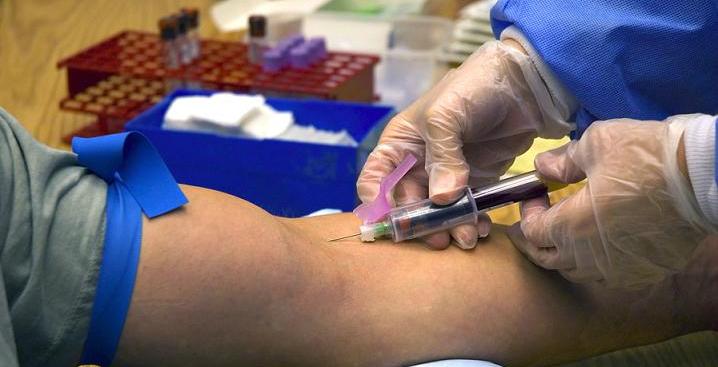
Ultimate Guide to Phlebotomist Certification: Boost Your Healthcare Career Today
Are you passionate about healthcare and looking to specialize in blood collection and patient care? Becoming a certified phlebotomist can be a rewarding career choice, providing numerous opportunities for growth and professional advancement. This comprehensive guide will walk you through everything you need to know about acquiring your phlebotomist certification, the benefits it offers, practical tips for success, and how to elevate your career in the healthcare industry.
Introduction
In the expanding field of healthcare, certified phlebotomists play a crucial role in patient diagnosis and treatment. They are responsible for collecting blood samples, ensuring patient comfort, and supporting laboratory testing processes. As demand for healthcare professionals continues to grow,obtaining a phlebotomist certification can significantly boost your employability,earning potential,and career stability. Whether you’re new to healthcare or aiming to transition into a specialized role, this guide provides actionable insights to help you succeed in becoming a certified phlebotomist.
Prerequisites and Education Requirements for Phlebotomist Certification
Educational Background
Most phlebotomy certification programs require candidates to have at least a high school diploma or GED. While a formal college degree is not mandatory, completing related coursework in biology, anatomy, or healthcare can be favorable.
Basic skills and Knowledge
- strong communication skills
- Attention to detail and manual dexterity
- Basic understanding of human anatomy and physiology
- Ability to handle stressful situations calmly
Prerequisite Certifications
Some programs may require proof of CPR (Cardiopulmonary Resuscitation) certification or immunizations. Always check specific requirements of your chosen certification body.
Types of Phlebotomy Certification Programs
- Phlebotomy Technician Certification – Focuses on blood collection techniques and patient care.
- Advanced Phlebotomy certification – For experienced professionals seeking specialization or supervisory roles.
- Online vs. in-Person Training – Choose based on your learning style, schedule, and budget.
Top Certified Bodies and Accreditation
- national Healthcareer Association (NHA)
- American Society for Clinical Pathology (ASCP)
- national Phlebotomy Association (NPA)
How to Obtain Your Phlebotomist Certification: Step-by-Step Guide
Step 1: Complete a Recognized Phlebotomy Training Program
Select a program accredited by a reputable institution, ensuring it covers essential skills like blood draw procedures, safety protocols, and patient communication.
Step 2: Gain Practical Experience
Most programs include clinical hours in healthcare settings, providing hands-on experience essential for certification examinations.
Step 3: Prepare for Certification Exam
Study exam content, review practice questions, and familiarize yourself with the certification body’s requirements.
step 4: Sit for the Certification Exam
The exam typically includes multiple-choice questions covering topics such as anatomy, safety, infection control, and blood collection techniques.
Step 5: Maintain Certification
Most certifying bodies require continuing education or recertification every 2-3 years to stay current and registered.
Benefits of Phlebotomist Certification
- Increased Employability – Certified professionals are preferred by healthcare facilities.
- Higher Earning Potential - Certification can lead to better salaries and job perks.
- Career Advancement – Opens doors to supervisory roles,specialized fields,and advanced healthcare positions.
- Professional Credibility – Validates your skills and knowledge in blood collection and patient care.
- Job Security – Growing demand for qualified phlebotomists ensures stable employment opportunities.
Practical Tips for Success as a Certified Phlebotomist
- Practice excellent communication to comfort anxious patients.
- Follow strict safety and infection control protocols.
- Keep your certification current through ongoing education.
- Build rapport with colleagues and patients to ensure efficient sample collection.
- Stay updated with new techniques and advancements in phlebotomy.
Real-Life Experiences in Phlebotomy
Case Study: A Day in the Life of a Certified Phlebotomist
| Time of Day | Activities | Challenges & Solutions |
|---|---|---|
| 8:00 AM | Preparing supplies and reviewing schedule | High patient volume – organized workflow improved efficiency |
| 10:00 AM | Blood draws for outpatient clinic | Handling difficult veins – used warming techniques for better access |
| 2:00 PM | Assisting with pediatric blood collection | Patient anxiety – employed child-amiable communication |
| 4:00 PM | Labeling and processing samples | Maintained accuracy through double-checking processes |
Conclusion
Embarking on a career as a certified phlebotomist is a strategic move towards a fulfilling and stable healthcare profession. By meeting the necessary prerequisites,selecting accredited training programs,and preparing diligently for certification exams,you can open the door to numerous opportunities in the medical field. Certification not only elevates your professional credibility but also enhances your earning potential and career growth prospects. Stay committed to continuous learning and practical excellence, and you’ll find yourself thriving as a vital player in patient care. Start your journey to becoming a certified phlebotomist today and make a meaningful difference in healthcare!