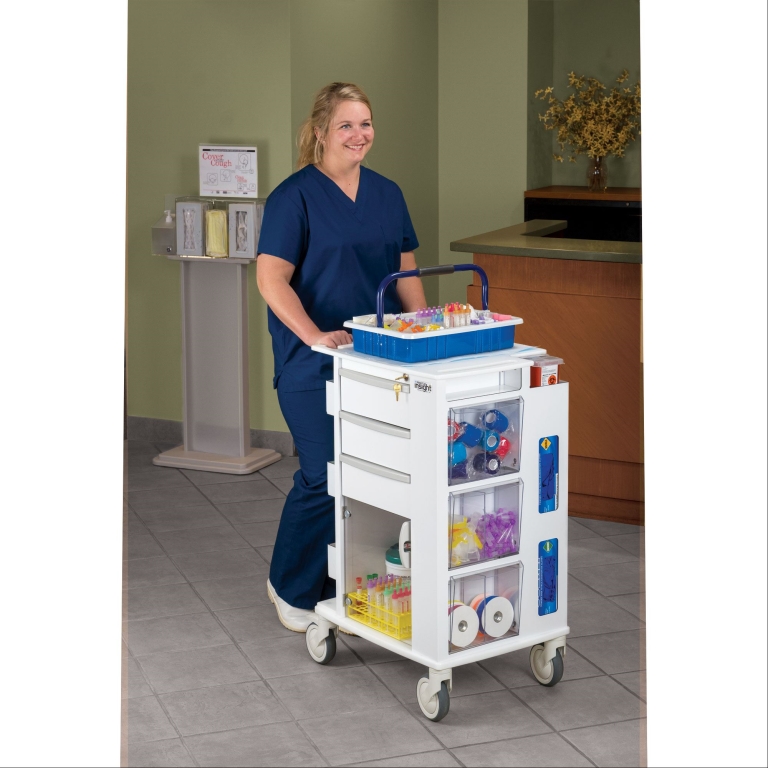
Mastering EKG Phlebotomy: Essential Skills for Accurate Cardiac and Blood Sample Collection
Introduction
In the ever-evolving landscape of healthcare, proficiency in both electrocardiogram (EKG) procedures and phlebotomy is crucial for delivering precise diagnostics and optimal patient care. Mastering the art of EKG phlebotomy involves understanding not only how to perform blood draws but also how to effectively monitor cardiac activity during the process.This complete guide aims to equip healthcare professionals and aspiring phlebotomists with the essential skills needed to perform accurate cardiac monitoring and blood sample collection, ensuring safety, efficiency, and reliable results.
What is EKG Phlebotomy?
EKG phlebotomy bridges two critical diagnostic areas: cardiac monitoring via electrocardiograms (EKGs) and blood sample collection. while these may seem like separate skills, integrating them enhances diagnostic efficiency, especially in hospital settings, outpatient clinics, and diagnostic laboratories.
This combined approach allows healthcare providers to:
- Perform blood tests while monitoring the heart’s electrical activity in real-time.
- Identify cardiac abnormalities that may influence blood drawing procedures.
- Ensure patient safety by detecting arrhythmias or other cardiac issues during sample collection.
essential Skills for Mastering EKG Phlebotomy
1. Proficiency in EKG Placement and cardiac Monitoring
- Understanding the anatomy of the chest and limb lead placements.
- Correctly attaching EKG electrodes to acquire clear and accurate signals.
- Recognizing common artifacts and troubleshooting signal interference.
- monitoring for arrhythmias or abnormal rhythms during procedures.
2. blood Collection Technique
- Proper site selection for venipuncture, prioritizing patient comfort and safety.
- Skin antisepsis to prevent infection.
- Choosing the correct needle size and tube type for different tests.
- Applying the correct tourniquet pressures and times to ensure blood flow without causing discomfort.
- Following proper order of draw and specimen handling protocols.
3.Safety and Infection Control
- Using personal protective equipment (PPE) appropriately.
- Implementing sharps disposal procedures.
- Following standard precautions to prevent cross-contamination.
- Being aware of patient allergies or sensitivities,especially with adhesives or antiseptics.
4. Communication and Patient Care
- Explaining procedures clearly to reduce patient anxiety.
- Maintaining a professional but friendly demeanor.
- Watching for signs of fainting or distress during blood draws and EKG submission.
- Providing post-procedure care and instructions.
Practical Tips for Successful EKG Phlebotomy
- preparation is key: Gather all necessary equipment before starting.
- Patient positioning: Ensure the patient is comfortably seated or lying down to prevent dizziness.
- Electrode placement: use correct anatomical landmarks for accurate readings.
- Minimize artifacts: Keep movement to a minimum and avoid electrical interference.
- Timing: Coordinate blood collection with EKG monitoring to capture real-time cardiac activity.
- Check the environment: Ensure a clean, well-lit workspace with minimal background noise.
Benefits of Mastering EKG Phlebotomy
Healthcare professionals trained in EKG phlebotomy enjoy several advantages, including:
- Enhanced diagnostic capabilities with simultaneous cardiac monitoring and blood sampling.
- Improved patient safety by detecting arrhythmias or cardiac distress during procedures.
- Increased efficiency by combining two procedures into one clinical encounter.
- Expanded professional skills that enhance employability and clinical value.
Case Study: Improving Diagnostic Accuracy through EKG Phlebotomy
| Case Scenario | Outcome | Key Takeaway |
|---|---|---|
| Patient undergoing routine bloodwork with undiagnosed arrhythmia | Real-time monitoring detected irregular heartbeats, preventing complications during venipuncture | Integrating EKG during blood collection can reveal underlying cardiac issues, improving patient safety |
| Electrocardiogram performed while collecting blood for cardiac enzymes | Precise timing of sample collection captured peak enzyme levels, enhancing diagnosis accuracy | Synchronizing cardiac monitoring with specimen collection optimizes diagnostic yield |
First-Hand Experience: Insights from a Certified phlebotomist
“Mastering EKG phlebotomy requires patience, attention to detail, and strong communication skills.I found that preparing all my equipment beforehand and explaining the process to my patients helped reduce anxiety and improve cooperation. Recognizing cardiac abnormalities during EKG monitoring even while collecting blood samples was a game-changer in providing comprehensive patient care.” - Jane Doe, Certified Phlebotomist.
Conclusion
Mastering EKG phlebotomy is a vital skill that combines precise blood collection techniques with effective cardiac monitoring. It enhances diagnostic accuracy, patient safety, and clinical efficiency. Whether you’re a seasoned healthcare professional or a budding phlebotomist, developing proficiency in these essential skills will significantly contribute to improved patient outcomes. Remember, continuous practice, staying updated with technological advances, and prioritizing patient-centered care are key to excelling in this specialized area of healthcare.
Get Started Today
If you’re looking to enhance your skills in EKG phlebotomy, consider enrolling in specialized training programs or certification courses. Embrace the chance to expand your professional expertise and make a real difference in patient care quality. For more resources and training options, visit our training portal.