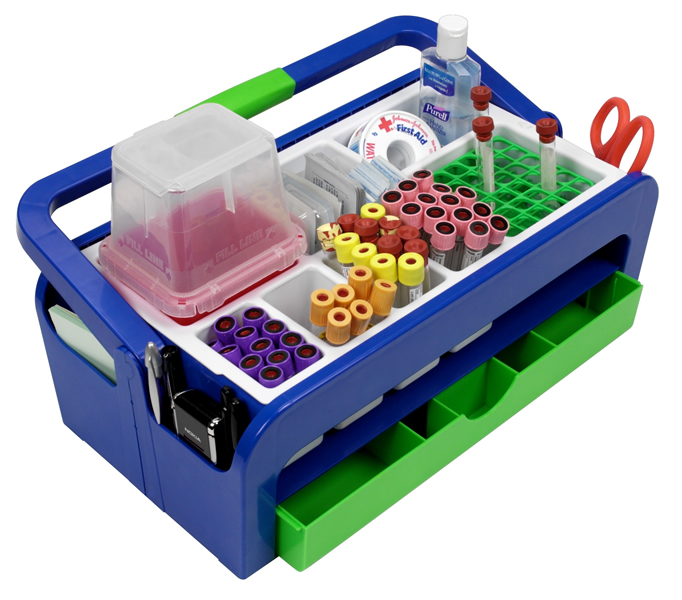
Mastering Phlebotomy Procedures: Your Essential Guide to safe and Successful Blood Collection
Phlebotomy, the practice of drawing blood for laboratory testing, donation, or transfusion, is a fundamental skill for healthcare professionals. Whether you’re a seasoned practitioner or new to healthcare, mastering phlebotomy procedures is crucial for ensuring patient safety, obtaining accurate results, and maintaining compliance with safety standards. In this extensive guide, we will explore the essential aspects of blood collection, from proper techniques and safety protocols to practical tips and real-world insights that help you succeed in your phlebotomy practice.
Introduction to Phlebotomy: Why It Matters
Effective blood collection is more than just inserting a needle; it requires precision, attention to detail, and understanding of patient needs and safety considerations. Proper phlebotomy procedures facilitate reliable laboratory results, reduce the risk of complications, and ensure a positive patient experience. As a vital component of diagnostic medicine, mastering blood collection techniques is essential for allied health professionals, nurses, medical assistants, and anyone involved in clinical procedures.
Fundamental Phlebotomy Techniques
Preparing for Blood Collection
- Gather necessary supplies: gloves, alcohol swabs, tourniquet, collection tubes, needles, sharps disposal container.
- Identify the patient correctly: verify patient identity using two identifiers.
- Explain the procedure: reassure the patient and obtain consent.
Choosing the Right Venipuncture Site
The most common site for blood collection is the antecubital fossa (inner elbow), but other sites may be used if necessary:
- Median Cubital Vein
- Cephalic Vein
- Basilic Vein
Step-by-Step Blood Collection process
- Apply tourniquet: 3-4 inches above the chosen site to enlarge the vein.
- disinfect the site: swab with alcohol in a circular motion, let dry.
- Insert the needle: at a 15-30 degree angle with bevel up.
- Fill collection tubes: in the correct order to prevent cross-contamination.
- Release tourniquet: once blood flow is established and sufficient sample collected.
- Withdraw needle: apply pressure with gauze immediately to stop bleeding.
- Seal tubes and label: promptly after collection with patient data.
- Dispose of sharps: safely in approved container.
safety and Infection Control Protocols
Ensuring safety during phlebotomy is paramount. Following proper infection control practices protects both the patient and healthcare provider.
- Wear gloves: at all times during blood collection.
- Use sterile equipment: single-use and properly disposed of after use.
- Follow hand hygiene: wash hands thoroughly before and after procedures.
- Properly label samples: to prevent misidentification and errors.
- Report and manage adverse reactions: such as bleeding,hematoma,or fainting.
Benefits of Mastering Phlebotomy Procedures
Being proficient in blood collection offers numerous benefits, including:
- Improved patient safety and comfort
- Enhanced accuracy of laboratory results
- Compliance with health and safety regulations
- Increased confidence and professional credibility
- Reduced risk of complications like hematomas or infections
Practical Tips for Successful Blood Collection
- Practice good interaction: explain each step to the patient to ease anxiety.
- Maintain a calm demeanor: stay relaxed and patient.
- Check equipment beforehand: ensure everything is sterile and in working order.
- Use proper technique: steady hands, correct needle size, and appropriate site selection.
- Monitor patient response: watch for signs of fainting,dizziness,or discomfort.
Case Studies: Real-World Insights
Case Study 1: Overcoming Arduous Venipuncture
A patient with small, rolling veins presented a challenge. The phlebotomist employed a tourniquet to enlarge veins,used a butterfly needle for better control,and warmed the site to promote blood flow. These techniques resulted in a successful blood draw with minimal discomfort.
Case Study 2: Managing Allergic Reactions
During procedure, a patient experienced mild allergic skin reaction to alcohol swab. The staff immediately stopped, applied a cold compress, and used a different disinfectant. Speedy response minimized patient distress, emphasizing safety importance.
First-Hand Experience: Personal Perspectives
Many healthcare professionals find that consistent practice, continued education, and attentiveness to patient needs are key to mastering phlebotomy. Learning from each experience builds confidence and improves technique, making the procedure more efficient and patient-centered over time.
Summary Table: Essential Phlebotomy Tools and Supplies
| Tool/Supply | Purpose |
|---|---|
| Needles (21G, 23G, Butterfly) | Blood collection and venipuncture |
| Vacutainer Tubes | Blood sample collection and storage |
| Tourniquet | Isolate venous access |
| Alcohol Swabs | Disinfection of puncture site |
| Gauze and Bandages | post-collection site management |
Conclusion: Your Path to Proficiency in Phlebotomy
Mastering phlebotomy procedures is a vital skill that combines technical expertise with compassionate patient care. By understanding the proper techniques, safety protocols, and practical tips outlined in this guide, healthcare professionals can enhance their blood collection skills, improve patient outcomes, and uphold the highest standards of safety and professionalism. Remember, continuous practice and learning are key to becoming a confident and effective phlebotomist. Whether you’re just starting or looking to refine your skills,these insights serve as a solid foundation for success in blood collection.
Safe, successful blood collection begins with knowledge and confidence-apply these principles today to excel in your phlebotomy practice!