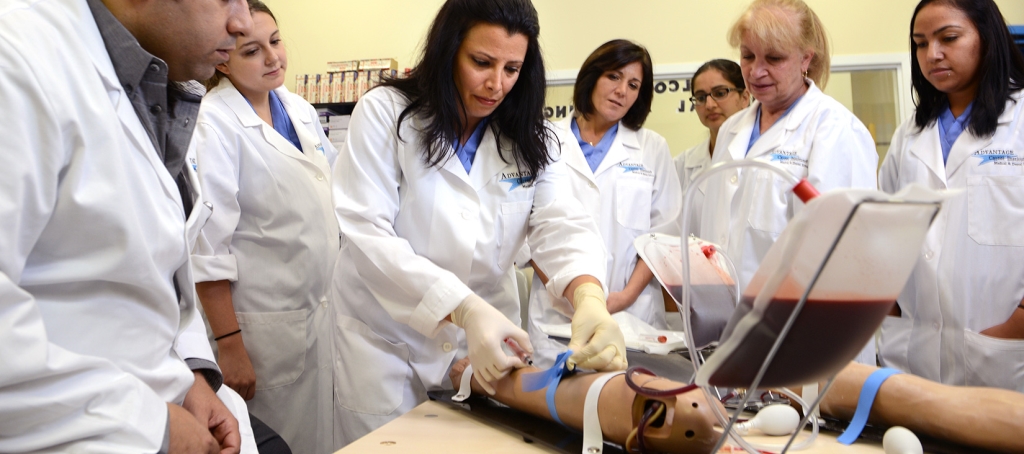
Top 50 Phlebotomy Practice Questions & Answers to Ace Your Exam
Are you preparing for your upcoming phlebotomy certification exam? Whether you’re a beginner or a seasoned professional looking to brush up on your skills, practicing with high-quality questions is essential. Our comprehensive guide features the top 50 phlebotomy practice questions and answers designed to boost your confidence and help you succeed. Let’s dive into the most common exam topics, practical tips, and valuable insights to master your phlebotomy certification effortlessly.
Introduction to Phlebotomy Certification & Exam Preparation
Phlebotomy is a vital healthcare profession focused on drawing blood for laboratory testing, transfusions, donations, and research. To work as a certified phlebotomist, you must pass an exam that assesses your knowledge of blood collection procedures, safety protocols, and patient care. The exam formats vary but typically include multiple-choice questions covering anatomy,equipment,safety,and clinical skills.
Studying effectively with practice questions can considerably improve your understanding, time management, and test-taking strategies. Our top 50 practice questions are tailored to reflect real exam challenges and help you identify areas for betterment.
Benefits of Using Practice Questions for Phlebotomy Exam Success
- Enhance your knowledge: Reinforces important concepts and procedures.
- Improve exam confidence: Familiarize yourself with question formats and topics.
- Identify knowledge gaps: Focus your studies on weak areas.
- Time management skills: Practice completing questions within allocated time.
- Simulate real exam conditions: Reduce test anxiety through practice environments.
Top 50 Phlebotomy Practice questions & Answers
Below, you’ll find a curated list of 50 essential practice questions with concise, accurate answers. Use these questions to test your knowledge, and review the explanations to deepen your understanding.
sample questions Overview
| Question No. | Question | Correct Answer |
|---|---|---|
| 1 | What is the primary purpose of a tourniquet during venipuncture? | To make veins more prominent for easier blood retrieval. |
| 2 | Which vein is most commonly used for venipuncture? | Median cubital vein |
| 3 | Why is it important to verify patient identity before drawing blood? | To ensure correct test matching and patient safety. |
| 4 | What PPE should a phlebotomist wear during blood collection? | Gloves, and possibly masks and gowns depending on circumstances |
| 5 | What is the typical order of draw in venipuncture? | Blood culture tube, coagulation tube, serum tube, EDTA tube, heparin tube |
Sample of 10 Practice Questions & Answers
Question 1:
What is the appropriate site for venipuncture in adults?
Answer: The median cubital vein is the most suitable site due to its size and accessibility.
Question 2:
how do you properly verify a patient’s identity?
Answer: By asking for and matching the patient’s full name and date of birth with the test order and ID band.
Question 3:
What should a phlebotomist do if the patient experiences dizziness during a draw?
Answer: Stop the procedure immediately, help the patient sit or lie down, and monitor until symptoms subside.
Question 4:
Why is proper mixing of specimens essential?
Answer: To ensure anticoagulants are evenly distributed and the sample remains valid for testing.
Question 5:
What are the common complications of improper blood collection?
Answer: Hematoma, nerve injury, infection, or inaccurate test results.
Practical Tips for Success in phlebotomy Certification Exam
- Create a study schedule: Dedicate specific times daily or weekly for focused study.
- Use diverse study resources: Incorporate textbooks,online courses,flashcards,and practice exams.
- Focus on high-yield topics: Know the anatomy, safety procedures, and patient interaction.
- Participate in hands-on training: Practical experience enhances your confidence and skills.
- Review incorrect answers: Understand mistakes to improve your knowledge retention.
Case Study: Prosperous Exam Preparation
jane was nervous about her upcoming phlebotomy exam. She dedicated two weeks to practice questions, focusing on areas like order of draw and safety protocols. She used flashcards, mock exams, and reviewed real-world scenarios. On exam day, Jane felt well-prepared and confident, ultimately passing with high marks. Her experience highlights the importance of consistent practice combined with practical training.
Conclusion: Your Path to Phlebotomy Certification Success
Passing your phlebotomy certification exam is a crucial step toward advancing in the healthcare field. By utilizing our top 50 practice questions and answers, along with effective study strategies, you can boost your knowledge and exam readiness. Remember, thorough preparation, practical experience, and confidence are key to achieving your certification goals. Stay motivated, practice consistently, and you’ll be well on your way to becoming a skilled and certified phlebotomist!
Additional Resources for Phlebotomy Exam Preparation
- National Healthcareer Association (NHA) Official Website
- American Medical Technologists (AMT)
- State-specific phlebotomy certification guides
- Practice exam books and flashcard sets available on Amazon and other platforms
Start Preparing Today!
Use these practice questions to refine your skills, identify your strengths, and develop confidence. Remember, consistent practice makes perfect. Good luck on your journey to becoming a certified phlebotomist!