What Is a Phlebotomy Technician? A complete Guide to the Role, skills, and Career Path
Are you interested in a healthcare career that combines technical skills with patient interaction? If so, becoming a phlebotomy technician might be the perfect fit. In this extensive guide, we’ll explore what a phlebotomy technician does, the essential skills required, the training process, career prospects, and practical tips to excel in this rewarding healthcare profession.
Introduction
Phlebotomy technicians play a vital role in the healthcare system by collecting blood samples that are used for diagnostic testing, transfusions, research, and donation. Despite being a specialized role, it offers a promising career path with opportunities for growth and specialization. Whether your considering entering this field or just curious about what it entails, this guide provides all the key information you need to understand the role of a phlebotomy technician.
What Is a Phlebotomy Technician?
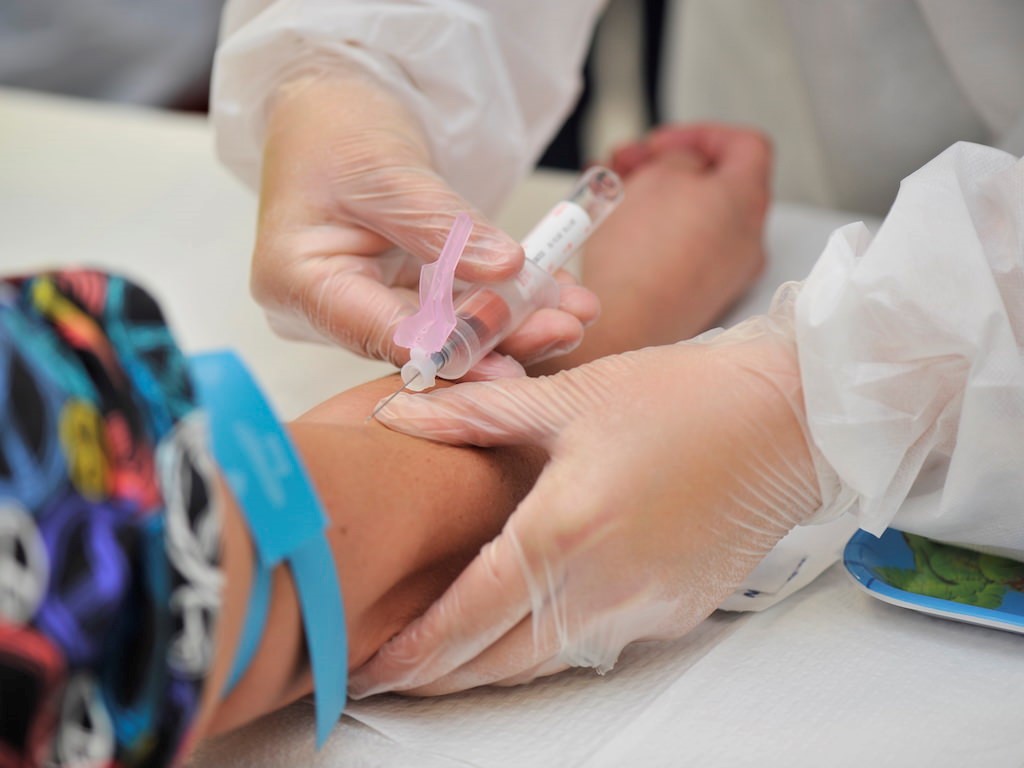
A phlebotomy technician, also known as a phlebotomist, is a healthcare professional trained to draw blood from patients or donors. These professionals work in hospitals, clinics, laboratories, blood donation centers, and mobile clinics.Their main duty is to ensure that blood collection is performed safely, accurately, and with minimal discomfort to the patient.
Key Responsibilities of a Phlebotomy technician
- Preparing patients for blood draws by explaining the procedure and ensuring comfort
- Assembling and labeling collection equipment
- Performing venipuncture (drawing blood from veins) and capillary punctures (fingersticks)
- Ensuring proper storage and labeling of blood samples
- following safety and infection control protocols
- Maintaining accurate records of blood collections
- Assisting with patient care as needed and handling patient inquiries
Skills Required for a Phlebotomy Technician
Successful phlebotomy technicians possess a combination of technical skills, interpersonal abilities, and meticulous attention to detail. Here are the core skills needed:
Technical Skills
- Knowledge of human anatomy,particularly veins and blood vessels
- Proficiency in using various tools such as needles,tourniquets,and collection tubes
- Understanding of laboratory safety procedures and sterility
- Ability to perform skin punctures and venipuncture efficiently
Interpersonal Skills
- Good dialog skills to explain procedures and comfort patients
- Empathy and patience,especially when dealing with nervous or distressed patients
- ability to handle tough or uncooperative patients professionally
Attention to Detail and Organizational Skills
- Accurate labeling of blood samples to prevent mix-ups
- Keeping detailed records of procedures
- Adherence to safety protocols to prevent contamination and accidents
Training and Certification for Phlebotomy Technicians
Even though requirements vary by state and employer,most phlebotomy technicians complete a formal training program and earn certification. Here’s what you need to know:
Educational Requirements
- high school diploma or GED
- Completion of a phlebotomy training program (often 40-120 hours)
Phlebotomy Certification
Certification enhances job prospects and credibility. Popular certifying agencies include:
| Certification Name | Offered By | Requirements |
|---|---|---|
| Certified Phlebotomy Technician (CPT) | American Society for Clinical Pathology (ASCP) | Completion of training + exam |
| Certified Phlebotomy Technician (CPT) | National Healthcareer Association (NHA) | Graduation from an approved program + exam |
| Registered Phlebotomy Technician (RPT) | American Medical Technologists (AMT) | Training + certification exam |
Note: Certification requirements may vary by state, so check local regulations to ensure compliance.
Career Path and Job Outlook
The demand for phlebotomy technicians is expected to grow substantially in the coming years, driven by an aging population and increased need for diagnostic bloodwork. Entry-level salary ranges typically from $30,000 to $40,000 annually, with opportunities for advancement into supervisory or specialized roles.
advancement Opportunities
- Senior Phlebotomy technician
- Phlebotomy Supervisor or Lead
- laboratory Technician
- Medical Assistant or Technician
- Specializations in areas such as pediatric phlebotomy or IV therapy
Benefits and Practical Tips for Aspiring Phlebotomists
Embarking on a career as a phlebotomy technician offers numerous benefits:
- High job satisfaction from helping patients and saving lives
- Relatively short training programs and certification processes
- Opportunities in a variety of healthcare settings
- Flexible schedules and potential for part-time work
Practical Tips to Excel in Your Phlebotomy Career
- Gain Hands-On Experience: Volunteer or seek internships in clinics or hospitals.
- Stay Current with Certification: maintain your credentials and pursue continued education.
- Develop Strong Communication Skills: Building rapport with patients eases procedures.
- Focus on Safety and Accuracy: minimize errors to foster patient trust and professional growth.
- Build a Professional Network: join associations like the American Society for Clinical Pathology (ASCP).
Case Study: A Day in the Life of a Phlebotomy Technician
| Time | Activity | Notes |
|---|---|---|
| 8:00 AM | Prepare the blood collection area | Ensure supplies are sterile and organized |
| 8:30 AM | Patient check-in and description | Answer questions and alleviate fears |
| 9:00 AM | Blood draw (venipuncture) | Use proper technique and safety protocols |
| 10:00 AM | Label and document samples | Double-check with patient for accuracy |
| 11:00 AM | Assist with other lab or administrative tasks | keep the area clean and organized |
first-Hand Experience: What It’s Really Like
Many phlebotomy technicians find their work rewarding because they directly contribute to patient care and diagnosis. Challenges include managing difficult patients or handling emergency situations, but these are balanced by the satisfaction of helping others and developing specialized skills.
Conclusion
Becoming a phlebotomy technician is an excellent choice for those interested in healthcare careers that require technical expertise and compassionate patient interaction. With proper training, certification, and a dedication to continuous learning, you can enjoy a fulfilling career with strong job outlook prospects. whether you’re just starting out or seeking to advance your healthcare journey,the role of a phlebotomy technician offers meaningful opportunities to make a difference in people’s lives while building a stable and growing profession.
If you’re passionate about healthcare,enjoy working with people,and want a career that combines precision with compassion,consider pursuing a career in phlebotomy. The path is straightforward, the impact notable, and the opportunities plentiful.