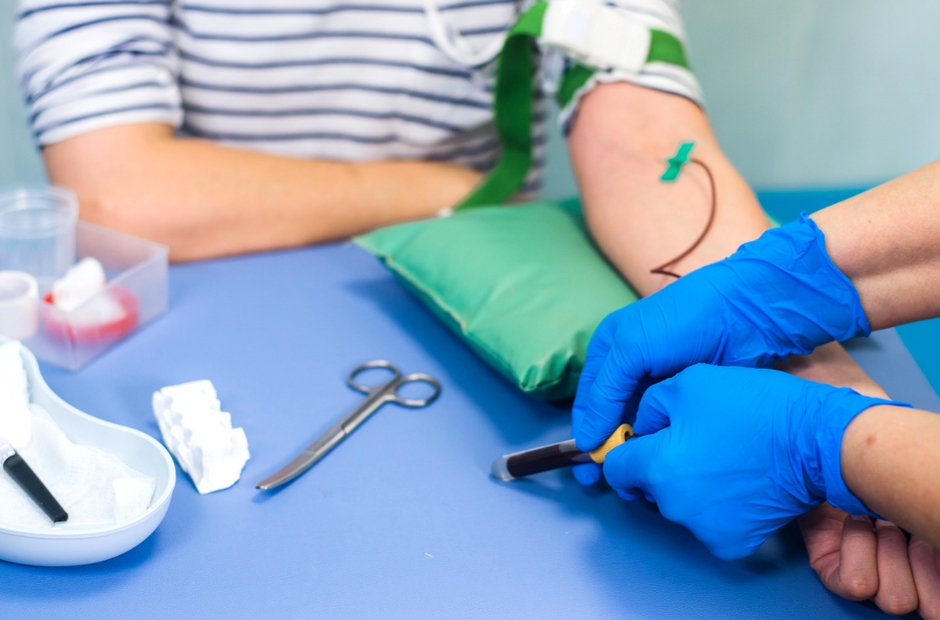
Master Blood Draw Skills: Essential Classes to Become a Confident Phlebotomist
Embarking on a career as a phlebotomist requires more than just a amiable attitude-it demands specialized skills in blood collection, proper handling, and patient care. Whether you’re just starting out or seeking to elevate your expertise, enrolling in the right classes is crucial for mastering blood draw techniques and becoming a confident, competent medical professional. In this comprehensive guide, we’ll explore the essential classes you should pursue, share practical tips, and highlight the benefits of proper training to help you excel in phlebotomy.
Why Are Proper Blood Draw Skills important?
In the healthcare industry, accuracy, safety, and patient comfort are paramount. Mastering blood draw skills ensures that specimens are collected correctly, reducing the risk of cross-contamination, inaccurate results, and patient discomfort. Good training not only improves your confidence but also enhances patient trust and safety, making you a valuable asset to any medical team.
Essential Classes to Build Your Phlebotomy Skills
Each class plays a vital role in developing specific skills needed for proficient blood collection. Let’s explore the most important educational opportunities available for aspiring and practicing phlebotomists.
1.Phlebotomy Technician Certification Course
The cornerstone of any blood collection career, this comprehensive course covers everything from anatomy basics to practical collection techniques. Topics include:
- anatomy and physiology of veins and arteries
- Proper specimen labeling and handling
- Venipuncture and capillary puncture techniques
- Infection control and safety protocols
- Patient dialog and comfort
2. Anatomy and Physiology for Phlebotomy
A solid understanding of the human body’s structure is essential. this class deepens your knowledge of blood vessels, tissues, and organ systems, helping you identify the best sites for blood draws and avoid complications.
3. Safety and Infection Control in Blood Collection
Ensuring patient safety and minimizing infection risks are core skills. This class covers:
- Proper use of personal protective equipment (PPE)
- Proper sanitization and disinfection methods
- Handling and disposing of sharps and biohazard waste
4. Patient Care and Communication Skills
Building rapport with patients and managing their anxiety is crucial. This class teaches effective communication, techniques for calming nervous patients, and handling arduous situations professionally.
5. Advanced phlebotomy Techniques
For those looking to hone their skills further, advanced classes focus on:
- Pediatric and geriatric blood collection
- Collections from patients with difficult veins
- Choice collection methods
- Handling high-risk or special patient populations
Practical Tips for Successful Blood Collection
- Practise regularly: Hands-on experience is irreplaceable.Volunteer or seek supervised practice opportunities.
- Stay updated: New techniques and safety guidelines evolve. Attend workshops and refresher courses.
- Prepare your supplies: Ensure all tools, like needles, tubes, and antiseptics, are ready before starting.
- Communicate clearly: Explain procedures to patients to ease anxiety and gain cooperation.
- Prioritize patient comfort and safety: Use proper techniques and be gentle during blood draw procedures.
Case Studies: Real-life Success in Phlebotomy Training
| Student | Class Enrolled | Outcome |
|---|---|---|
| Jane D. | Phlebotomy certification + Advanced Techniques | Secured a position in a hospital, demonstrating high confidence in venipuncture skills. |
| Mark S. | Anatomy & Physiology | improved site selection and reduced complication rates during collections. |
| Lisa P. | Patient Care & Communication | Received positive patient feedback and increased appointment success rates. |
Benefits of Completing Proper Phlebotomy Classes
- Increased confidence: hands-on training makes you more competent and comfortable with procedures.
- Job readiness: Certification and training open doors to various medical settings.
- Enhanced patient care: Skilled technicians ensure safety, accuracy, and patient satisfaction.
- career advancement: Specialized classes can lead to supervisory or advanced roles.
Additional Resources and Practical Tips
To further develop your blood draw skills,consider the following:
- Attend workshops and seminars hosted by accredited institutions.
- Join professional organizations like the American Society for Clinical Pathology (ASCP).
- Seek mentorship from experienced phlebotomists.
- Keep practicing with supervision to refine technique and build confidence.
Conclusion: Your Path to Mastering Blood Draw Skills
Becoming a confident and skilled phlebotomist starts with the right education. Enrolling in essential classes such as certified phlebotomy technician courses,anatomy and physiology,and safety protocols provides a strong foundation for a successful career. Remember, mastery in blood collection combines theoretical knowledge with consistent practice and a compassionate approach to patient care. Invest in your training today, and you’ll be on your way to mastering blood draw skills that make a real difference in healthcare.