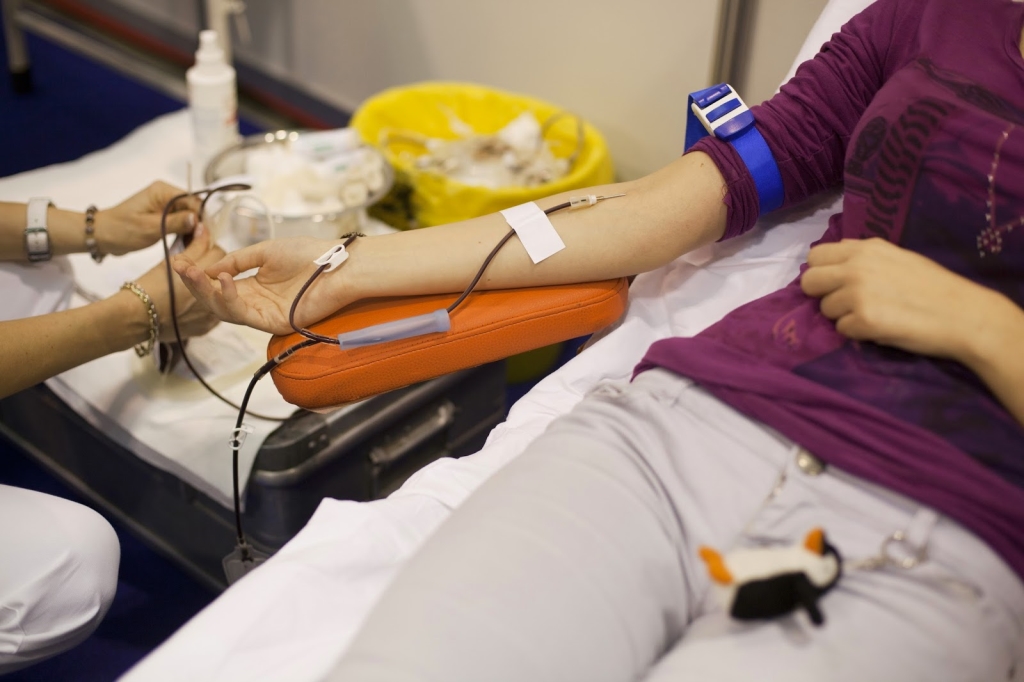
Phlebotomy 101: Essential Skills and Tips for Aspiring Phlebotomists
Entering the healthcare field as a phlebotomist offers a rewarding career dedicated to patient care, attention to detail, and precision. If you’re considering a path in phlebotomy, understanding the essential skills, practical tips, and best practices can set you up for success. This comprehensive guide will explore everything about phlebotomy, from fundamental skills to practical advice for aspiring professionals.
Introduction to Phlebotomy
Phlebotomy, the practice of drawing blood for medical testing, transfusions, donation, or research, is a critical component of healthcare systems worldwide. Even though the work may seem straightforward, it demands a unique blend of technical skill, interpersonal interaction, and utmost attention to safety and infection control. Aspiring phlebotomists should understand the core competencies required and develop practical skills to excel in this vital role.
benefits of a career in Phlebotomy
- Stable job opportunities: The demand for qualified phlebotomists continues to grow.
- Entry-level chance: Short training programs allow quick entry into healthcare.
- Personal fulfillment: Making a difference in patients’ health and well-being.
- Flexibility: Opportunities across hospitals, clinics, blood donation centers, and diagnostic labs.
Practical Tips for Aspiring Phlebotomists
- Get certified: Enroll in accredited phlebotomy training programs to gain essential skills and credibility.
- Learn proper technique: mastering venipuncture and capillary puncture is vital for patient comfort and safety.
- Prioritize patient communication: Build rapport and ensure patients feel at ease during procedures.
- Focus on safety protocols: Always adhere to infection control guidelines to prevent cross-contamination.
- Practice good organization: Keep equipment sterile and work methodically to reduce errors.
Essential Skills for Aspiring phlebotomists
Developing the right skills is crucial in becoming a prosperous phlebotomist. Below are key abilities and qualities to focus on:
Technical skills
- Venipuncture proficiency: ability to draw blood efficiently and painlessly from veins.
- Capillary blood collection: Skill in fingerstick or heelstick procedures for easier access.
- Sample labeling and handling: Ensuring correct labeling to avoid errors.
- Equipment maintenance: Proper use and sterilization of needles, vials, and other tools.
Interpersonal skills
- Effective communication: Explaining procedures calmly and clearly to patients.
- Empathy and patience: Comforting anxious or fearful patients.
- Problem-solving: Handling challenging veins or patient movement with composure.
Attention to Detail
- Accuracy in procedures: Avoiding sample contamination or labeling errors.
- Adherence to safety standards: Following infection control policies rigorously.
Physical and Mental Resilience
- Stand for long periods during procedures.
- Maintain focus and calmness under pressure, especially in emergency settings.
Case Studies and First-Hand Experiences
| scenario | Challenge | Solution & Tips |
|---|---|---|
| Patient with rolling veins | Difficult venipuncture due to vein movement | Use a tourniquet to increase vein prominence and stabilize veins before inserting the needle. |
| Anxious patient | Patient panics during blood draw | Communicate calmly, reassure the patient, and use distraction techniques to ease anxiety. |
| Contaminated sample | Sample mislabeling | Implement double-check procedures and label samples instantly after collection. |
Mastering the Art of Phlebotomy: Best Practices & Tips
- Stay Relaxed: A calm demeanor reduces patient anxiety and improves sample quality.
- use Proper Technique: Insert the needle with a gentle, controlled motion.
- Choose the Right Equipment: use appropriate-sized needles and collection tubes for each patient.
- Follow Infection control: Wear gloves, sanitize surfaces, and dispose of sharps safely.
- Document Accurately: Record details of each procedure meticulously for traceability.
- Seek Feedback: regularly ask colleagues for tips and observe experienced professionals.
Conclusion
Embarking on a career in phlebotomy can be both fulfilling and challenging. By honing essential skills such as venipuncture technique, patient communication, and strict adherence to safety protocols, aspiring phlebotomists can stand out in the healthcare field. Continual learning, practice, and a compassionate approach to patient care will not only enhance your proficiency but also make you a trusted member of any medical team. With dedication and the right mindset, you’ll be well on your way to becoming a successful and skilled phlebotomist.