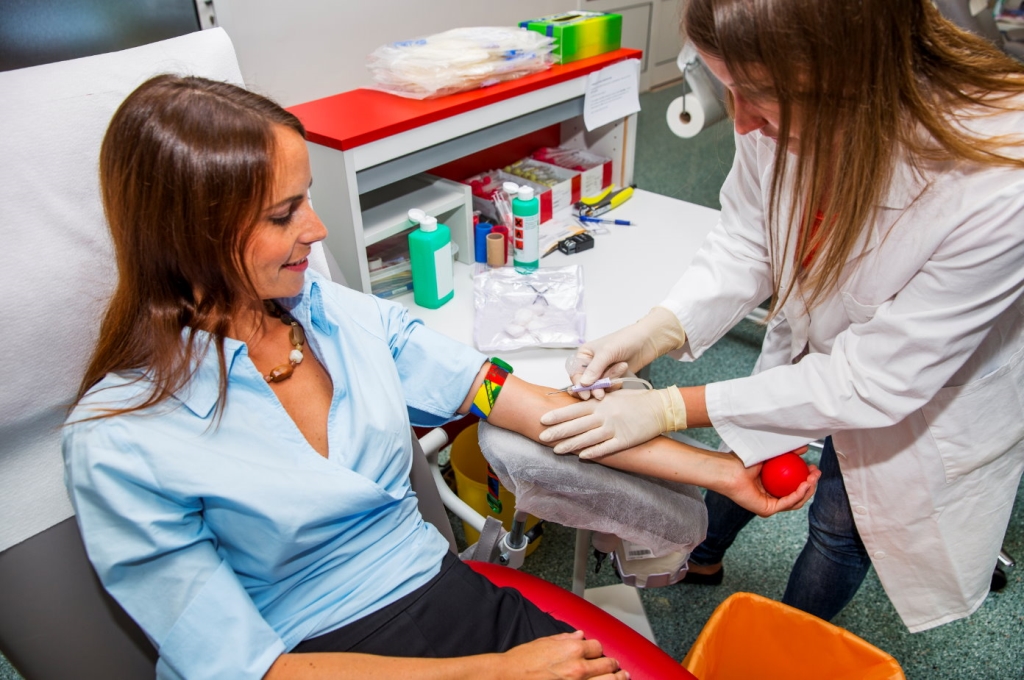
Mastering Phlebotomy venipuncture: Essential Tips for Safe and Accurate Blood Collection
Venipuncture, or blood withdrawal from a vein, is a essential procedure in healthcare settings.Whether you’re a seasoned phlebotomist or a student just beginning your training, mastering the art and science of phlebotomy venipuncture is crucial for ensuring patient safety, obtaining accurate results, and promoting a smooth clinical workflow. In this comprehensive guide, we’ll explore effective techniques, safety tips, common pitfalls, and practical advice to help you excel in blood collection procedures.
Understanding the Importance of Proper Venipuncture Technique
Venipuncture may seem straightforward, but it requires skill, precision, and adherence to safety standards. Appropriate technique minimizes patient discomfort, prevents complications such as hematomas or infections, and guarantees the reliability of laboratory results. By mastering venipuncture, healthcare professionals contribute to better patient outcomes and streamline diagnostic processes.
Essential Skills and Knowledge for Safe and Accurate Blood Collection
Key competencies include:
- Knowledge of anatomy and vascular structures
- Proper patient identification
- Selection of appropriate equipment and materials
- Effective patient communication and reassurance
- Correct technique for vein selection and needle insertion
- Post-procedure care and specimen handling
Step-by-Step Guide to Mastering Phlebotomy Venipuncture
Preparing for the Venipuncture Procedure
- Gather all necessary equipment: gloves, tourniquet, alcohol wipes, needles (butterfly or straight), collection tubes, gauge appropriate, adhesive bandages, and gauze.
- Identify the patient: verify using two identifiers (name and date of birth).
- Explain the procedure: inform the patient about what to expect and address any concerns.
- Position the patient: ensure comfort with a proper sitting or lying position.
- Perform hand hygiene and don gloves: adhere to infection control standards.
Selecting the Best Vein
- Typically, the median cubital vein is preferred because it’s large and close to the skin surface.
- Use a tourniquet approximately 3-4 inches above the site to engorge the vein.
- Palpate gently to feel for a resilient, palpable vein.
Venipuncture Technique: How to Do It Right
- Apply the tourniquet: ensure it is indeed tight enough to engorge the vein but not too tight to cause discomfort.
- Cleanse the site: use alcohol swab, rubbing in circular motion, and let dry.
- Insert the needle at a 15-30 degree angle: bevel up, directly into the selected vein.
- Anchor the vein: with your non-dominant hand,hold the skin taut,preventing rolling.
- Advance the needle: into the vein smoothly; observe for blood in the tube or flashback chamber.
- Fill collection tubes: in the correct order of draw, and release the tourniquet once the tube fills.
- Withdraw the needle carefully: and apply pressure with gauze on the site.
- Secure the site: with a bandage, and check for bleeding or hematoma formation.
Safety Tips to Prevent Complications
- Always verify patient identity and check for allergies, especially to latex or adhesives.
- Use sterile equipment and proper hand hygiene.
- Do not recap needles to avoid needlestick injuries.
- Dispose of used needles immediately in sharps containers.
- Monitor the patient post-procedure for adverse reactions like dizziness or swelling.
Common Challenges in Venipuncture and How to Overcome Them
| Challenge | Solution |
|---|---|
| Unable to find a suitable vein | Use warm compresses or ask the patient to hydrate before the procedure. |
| Patient has small or rolling veins | Use a smaller gauge needle or consider alternative sites like the hand dorsal veins. |
| Patient experiences fainting or anxiety | Provide reassurance, encourage proper breathing, and take breaks if needed. |
| Blood flow is slow or incomplete | Apply gentle pressure, check needle positioning, or try a different vein. |
Benefits of Proper Venipuncture Technique
- enhanced patient safety – reduces risk of hematoma, infection, and needlestick injuries.
- Accurate laboratory results – minimizes hemolysis and sample contamination.
- Increased patient comfort and trust - gentle technique and communication make the process smoother.
- Improved efficiency – fewer repeat attempts save time and resources.
Practical Tips for Aspiring Phlebotomists
- Practice regularly to perfect your vein selection and needle insertion skills.
- Stay updated on latest guidelines from organizations like CLSI or OSHA.
- Maintain a professional and empathetic attitude towards patients.
- Keep equipment organized and check expiry dates.
- Record and review your performances to identify areas for improvement.
First-Hand Experience and Case Study
During one clinical rotation, a novice phlebotomist was challenged by a patient with small, rolling veins. By applying gentle warming techniques and using a butterfly needle, they succeeded on the second attempt. They also communicated effectively, calming the patient. This experience underscored the importance of patience, adaptability, and soft skills in venipuncture success.
Conclusion
Mastering phlebotomy venipuncture is a vital skill for healthcare professionals that demands technical expertise, safety awareness, and compassionate patient care.By following best practices, understanding common challenges, and continuously honing your skills, you can perform blood collection safely and accurately, ultimately contributing to quality patient outcomes. Remember, practice and perseverance are key-your competence and confidence will grow with every prosperous draw.