What Is Phlebotomy? A Clear Guide to Blood Collection and Its Importance
Have you ever wondered how blood tests are performed or what exactly a phlebotomist does? If so, you’re not alone. Phlebotomy is a vital medical procedure that plays a crucial role in diagnosing and monitoring health conditions. Whether you’re considering a career as a phlebotomist, a healthcare professional, or simply curious about the process, this comprehensive guide will walk you through everything you need to know about blood collection, its significance, and practical tips for understanding this essential healthcare service.
What Is Phlebotomy?
Phlebotomy, derived from the Greek words ‘phlebo’ meaning vein and ’tomy’ meaning incision or cutting, refers to the practice of making an incision in a vein to collect blood. It is a specialized process managed by trained healthcare professionals known as phlebotomists. The main goal of phlebotomy is to obtain blood samples for laboratory testing, donation, or medical treatments.
The Role of a Phlebotomist
A phlebotomist is responsible for performing blood draws with care and precision,ensuring patient comfort and safety.They prepare patients, select appropriate sites for venipuncture, and handle blood specimens according to medical standards. Phlebotomists often work in hospitals, clinics, laboratories, and blood donation centers.
How Is Blood Collected During Phlebotomy?
The process of blood collection entails several steps to ensure safety, accuracy, and comfort:
- Preparation: The phlebotomist explains the procedure, collects patient information, and ensures the environment is clean.
- Site Selection: The most common site is the antecubital vein inside the elbow, but alternative sites include the hand veins.
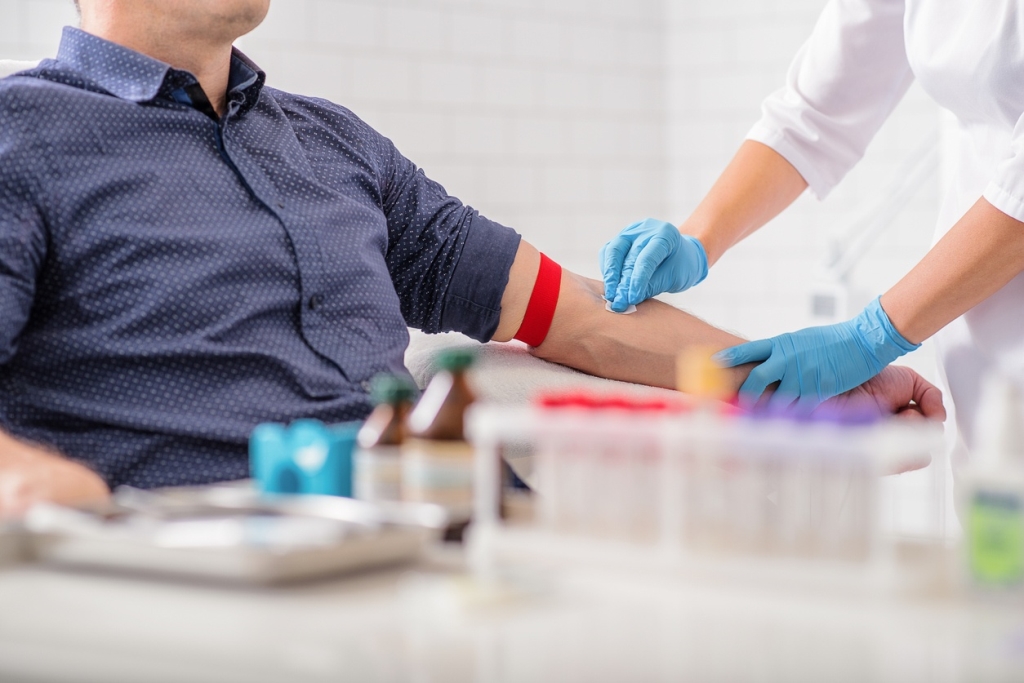
- Applying Tourniquet: A tourniquet is wrapped around the arm to make veins more prominent.
- Disinfection: The site is cleaned with alcohol to prevent infection.
- Drawing Blood: Using a sterile needle and collection tube, the blood is drawn carefully into tubes or vials.
- Post-procedure Care: Pressure is applied to stop bleeding, and a bandage is placed over the site.
tools and Equipment Used in Phlebotomy
| Tool | Purpose |
|---|---|
| Needle | To puncture the vein and draw blood |
| Collection Tubes | To hold and transport blood samples |
| Alcohol Swabs | To disinfect the skin before insertion |
| Tourniquet | To make veins more visible and accessible |
| Gloves | For safety and hygiene |
The Importance of Phlebotomy in Healthcare
Phlebotomy is more than just drawing blood; it’s a cornerstone of diagnostic medicine. HereS why blood collection is vital:
- Diagnostic Testing: Blood tests help identify diseases, infections, and deficiencies.
- monitoring Chronic Conditions: Regular blood draws track diseases like diabetes or heart conditions.
- Blood donation: Saving lives through donor blood collection.
- Medical Research: Contributing to advancements in healthcare.
Common Blood Tests Performed
| Test Name | Purpose |
|---|---|
| CBC (Complete Blood Count) | Detects anemia, infections, and more |
| Blood glucose | Monitors blood sugar levels |
| Lipid Profile | Assesses cardiovascular risk |
| Blood Culture | Detects infections in the blood |
| Coagulation Tests | Checks blood clotting functions |
Benefits of Proper Phlebotomy and Practical Tips
effective blood collection practices offer numerous benefits:
- Accurate Results: Proper technique minimizes errors.
- Patient Comfort: Gentle handling reduces discomfort and anxiety.
- Safety: Adherence to infection control protocols protects patients and staff.
- Efficiency: Streamlined procedures save time and resources.
Practical Tips for Successful Blood Collection
- Stay Calm: A relaxed demeanor helps ease patient anxiety.
- Select the Correct Site: Always choose the most prominent and suitable vein.
- Use Proper Equipment: Ensure sterile tools and well-maintained needles.
- Follow Infection Control: Always wear gloves and disinfect the skin.
- Communicate Clearly: Explain each step to the patient to build trust.
Real-World Case Study
Consider the case of a 45-year-old patient undergoing routine blood testing.The phlebotomist carefully selected the median cubital vein, applied gentle suction, and successfully collected a high-quality sample on the first try.The result: accurate diagnosis of elevated cholesterol levels, leading to early intervention. This case highlights how skilled phlebotomy can directly impact patient health outcomes.
First-Hand Experience: A Day in the Life of a Phlebotomist
Every day, phlebotomists face the challenge of making blood draws as comfortable as possible. They develop skills such as vein selection, needle insertion techniques, and patient dialog. Manny report a fulfilling career helping patients and contributing to crucial diagnostic work, making phlebotomy a rewarding profession for those interested in healthcare.
Conclusion
phlebotomy is a basic practice within the healthcare system that involves blood collection for diagnostic testing, donation, and research. It requires skill, precision, and utmost care to ensure high-quality samples and patient safety. Whether you’re aiming to become a professional phlebotomist or simply seeking to understand the blood collection process, recognizing its importance underscores the significance of this essential medical procedure. Proper blood collection not only advances medical science but also directly impacts patient health and wellbeing, reinforcing the vital role of phlebotomy in modern medicine.
Ready to Learn More?
If you’re interested in pursuing a career in phlebotomy or want to deepen your understanding of blood collection, consider enrolling in accredited training programs or consulting healthcare professionals. Knowledge and skill in phlebotomy can open doors to a rewarding career dedicated to saving lives and improving health outcomes.